The Australian Inventory of Industrial Chemicals
Chemical: .beta.-D-Glucopyranoside, decyl
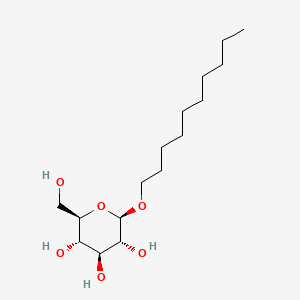
Identifiers
Regulatory treatment varies by market and specific alkyl polyglucoside. In the EU, decyl glucoside has aggregated GHS notifications under ECHA C&L, indicating company-submitted hazard classifications. In the US, EPA Safer Choice lists decyl glucoside as a low-concern surfactant, while New Zealand EPA status applies to decyl beta-D-glucopyranoside, which lacks individual approval but may be used under group standards. Australia’s AICIS inventory includes beta-D-glucopyranoside, decyl. These differences mean compliance is not uniform; each market’s inventory and approval status must be checked for the exact alkyl polyglucoside variant.
1 regulation
Chemical: .beta.-D-Glucopyranoside, decyl
1 regulation
Decyl beta-D-glucopyranoside: Does not have an individual approval but may be used as a component in a product covered by a group standard. It is not approved for use as a chemical in its own right.
Key conditions include the specific alkyl polyglucoside variant, its GHS classification, and its approval status in each market. For decyl glucoside, EU GHS notifications imply hazard communication obligations, while US EPA Safer Choice verification as low concern may support safer ingredient claims. In New Zealand, decyl beta-D-glucopyranoside is not approved as a standalone chemical but can be used in products under group standards, which imposes formulation-level constraints. No exposure limits are provided in the evidence, so quantitative limits cannot be assessed. Product category matters: use as a surfactant in personal care, auto, or commercial products may trigger different documentation.
Before launch, confirm the exact alkyl polyglucoside identity and its listing in relevant inventories: EU ECHA C&L notifications, US EPA Safer Chemical list, Australian AICIS, and New Zealand EPA group standards. For decyl glucoside, EPA Safer Choice verification as low concern and its surfactant functional use class should be documented. In New Zealand, ensure the product falls under an applicable group standard since the chemical lacks individual approval. GHS classification data, if any, must be incorporated into safety data sheets and labels. No exposure limits are available, so a gap analysis for occupational or consumer exposure limits is needed.
The regulatory position is incomplete for a full decision. Evidence covers only decyl glucoside and decyl beta-D-glucopyranoside, not the broader alkyl polyglucoside class. No GHS classifications, exposure limits, or use restrictions are provided, so hazard severity and safe concentration levels cannot be determined. New Zealand’s group standard status implies product-level approval but lacks details on conditions. US EPA Safer Choice verification is a voluntary program, not a regulatory approval. Australia’s AICIS listing confirms inventory status but not use conditions. These gaps prevent a comprehensive compliance assessment without additional data.
No recent regulatory changes or effective dates are provided in the evidence. The available data reflects current inventory statuses and voluntary program listings, but no timeline for updates or new regulations is indicated. For decyl glucoside, the EU ECHA C&L notifications and US EPA Safer Choice verification are static points, not recent changes. New Zealand’s group standard approach and Australia’s AICIS listing are also current statuses without effective dates. Therefore, no material regulatory changes can be identified from the evidence, and monitoring official sources is necessary to detect future updates.