Bakuchiol Toxicity
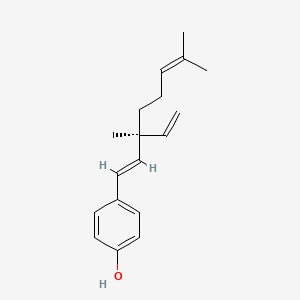
Identifiers
Functions
Hazards

What are the material safety considerations for BAKUCHIOL?
The primary material safety consideration for bakuchiol is its environmental hazard profile, with GHS classifications of H400 (very toxic to aquatic life) and H410 (very toxic to aquatic life with long-lasting effects), both carrying a Warning signal word. No human health hazard classifications, exposure limits, or handling data are available in the supplied evidence. This means the immediate safety focus should be on preventing environmental release during manufacturing, formulation, and disposal. The absence of human toxicology data does not confirm safety; it indicates a data gap that should be addressed before assuming low human health risk.
How should hazard classifications and toxicology findings for BAKUCHIOL be interpreted together?
The GHS classifications for bakuchiol should be interpreted as environmental hazard signals only, not as indicators of human health risk. The H400 and H410 classifications, both with a Warning signal word and 69.9% notification ratio, indicate that the substance is recognized as very toxic to aquatic environments with potential for long-term ecological effects. However, the absence of any human toxicology test results, exposure limits, or handling guidance in the supplied evidence means that no conclusions can be drawn about acute or chronic human health effects. Formulators should treat bakuchiol as an environmental hazard while recognizing that its human safety profile remains uncharacterized in this evidence set.
Which exposure routes, dose contexts, or effects are material for BAKUCHIOL?
The material exposure context for bakuchiol is environmental release, given its GHS classifications for aquatic toxicity. No occupational exposure limits, permissible exposure limits, or recommended exposure thresholds are available in the supplied evidence, so no dose-response relationships can be established. The absence of toxicity test data means that no acute toxicity values (such as LD50 or LC50) or specific health effects from dermal, inhalation, or oral exposure routes can be identified. For a cosmetic ingredient used in leave-on products, dermal exposure is the most likely route, but the supplied evidence does not provide any data to assess this exposure pathway.
Which handling and risk-management measures are relevant for BAKUCHIOL?
Based on the available evidence, risk-management measures for bakuchiol should prioritize environmental protection, specifically preventing release into aquatic systems. The H400 and H410 classifications indicate that containment measures, spill response procedures, and proper waste disposal protocols are essential during manufacturing and formulation. However, the supplied evidence contains no specific handling recommendations, personal protective equipment requirements, or engineering control guidance. In the absence of such data, standard practices for handling substances with aquatic toxicity classifications should be applied, including avoiding environmental discharge and using appropriate containment. The lack of human health hazard data means that additional controls cannot be specified based on this evidence.
Which safety evidence gaps should be resolved before making decisions about BAKUCHIOL?
The critical evidence gaps for bakuchiol are the complete absence of human toxicology data, including acute toxicity values, repeated-dose toxicity, reproductive and developmental toxicity, and skin sensitization potential. Additionally, no occupational exposure limits, handling recommendations, or personal protective equipment guidance are available. For a cosmetic ingredient with antimicrobial, antioxidant, and skin-conditioning functions, dermal safety data is particularly important. The environmental hazard classification is established, but the human health profile is entirely uncharacterized. Before making formulation or regulatory decisions, toxicological studies addressing dermal exposure, systemic toxicity, and sensitization potential should be obtained to complement the existing environmental hazard data.