Products & Brands Using Bakuchiol
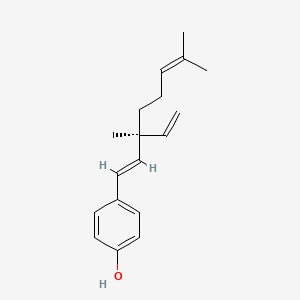
Identifiers
Functions
Hazards

How broadly is Bakuchiol used across tracked brands and products?
Brands
3
Across 2 product types
Products
9
Product Types
2
Distinct formulation categories
Functions
0
Known functional-use labels
What does product breadth indicate about the commercial maturity of BAKUCHIOL?
The commercial evidence indicates early-stage maturity: only 9 products from 3 brands, with a narrow format range (mostly face creams) and a short market history (2017–2019 in the sample). This suggests bakuchiol is established enough to be used by recognizable clean-beauty brands but has not yet achieved widespread category penetration. The patent landscape, however, is active and diverse, covering lip care, acne, hair, and advanced delivery systems, indicating that the ingredient's commercial potential is still being explored. The gap between patent breadth and commercial narrowness suggests the market is poised for expansion into more formats and functions.
How is BAKUCHIOL positioned across the market?
Bakuchiol is positioned as a natural, plant-derived retinol alternative, primarily in premium clean-beauty moisturizers. Brands like Beautycounter, Biossance, and Ao Skincare use it in anti-aging creams and serums, often alongside squalane and peptides, signaling a 'gentle retinol' positioning for sensitive or clean-beauty consumers. Patent filings reinforce this by claiming retinoic acid receptor activation, collagen synthesis promotion, and pregnancy-safe use. The positioning emphasizes efficacy comparable to retinol without typical irritation, appealing to consumers seeking botanical, non-prescription anti-aging options.
Top companies using Bakuchiol in their products
Ranked by number of tracked products that list bakuchiol, out of 9 total.
Which product categories, formats, and functions use BAKUCHIOL?
Commercial products are heavily concentrated in face creams and moisturizers (8 of 9 products), with one face wash; no dedicated serums appear in the commercial evidence despite the ingredient's common association with serums. Patent evidence shows a broader format range, including lip compositions, anhydrous creams, serums, cleansers, and acne treatments. Functions span anti-aging, wrinkle improvement, pore reduction, sebum control, acne treatment, and skin recovery. The commercial narrowness suggests current market use is primarily moisturizer-based, while patent activity indicates exploration of more diverse formats and functions.
Which product categories contain Bakuchiol?
Tracked product categories ranked by distinct products containing this ingredient.
Which formulation and co-ingredient patterns recur around BAKUCHIOL?
Recurring formulation patterns center on stabilization and delivery: anhydrous bases with sphingolipids to reduce irritation, nanostructured lipid carriers and microemulsions to improve penetration and stability, and liposomal encapsulation for controlled release. Co-ingredient patterns include pairing with Centella asiatica, madecassoside, tranexamic acid, and niacinamide for soothing, brightening, or anti-acne synergy. Commercial products frequently combine bakuchiol with squalane, shea butter, hyaluronate, and glycerol, indicating a moisturizing, barrier-supportive context. These patterns suggest formulators prioritize mitigating irritation and enhancing bioavailability over standalone efficacy claims.
Which product spaces around BAKUCHIOL appear crowded or differentiated?
Face creams and moisturizers appear crowded relative to the small commercial sample, with 8 of 9 products in this category. Differentiated spaces include lip care, acne treatments, and hair/scalp compositions, which appear in patents but not in commercial products. Delivery-system innovation—nanostructured lipid carriers, microemulsions, and liposomal encapsulation—represents a clear differentiation opportunity, as does pregnancy-safe positioning and combination with Centella or tranexamic acid for specific benefits like pore reduction or brightening. These spaces are less saturated commercially and align with patent activity, suggesting viable white space for new product development.