“Bakuchiol is a natural, plant-derived ingredient that is extracted from the seeds of the Psoralea Corylifolia plant. It's a natural alternative to synthetic retinol... Bakuchiol is less irritating and more suitable for sensitive skin.”
Bakuchiol Consumer Sentiment
CtrlK
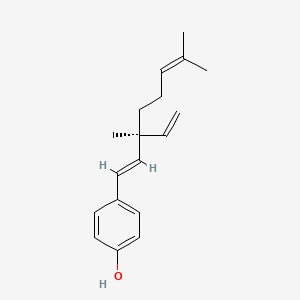
Identifiers
FormulaC18H24O·CAS10309-37-2·EC685-515-4
Functions
AntimicrobialAntioxidant +2 more
Hazards

How do consumers feel about products containing Bakuchiol?
Positive
Mixed
Negative
Consumers view Bakuchiol as a highly effective, gentle alternative to retinol that delivers anti-aging benefits without irritation, making it ideal for sensitive skin and daily use.
Which consumer needs, benefits, and objections are associated with BAKUCHIOL?
Consumers primarily need a retinol alternative that delivers anti-aging benefits—smoothing fine lines, improving skin tone and texture, and increasing firmness—without irritation. Bakuchiol is widely praised as a gentle, plant-based, vegan option suitable for sensitive skin, with no negative objections recorded in the evidence. The absence of objections suggests high satisfaction, but this may reflect limited consumer feedback rather than universal approval. Brands reinforce this positioning by marketing bakuchiol as a natural, non-irritating substitute for retinol, aligning with consumer demand for effective yet gentle skincare.
What do consumers discuss about Bakuchiol?
Gentle Retinol Alternative
Bakuchiol is consistently described as a plant-based substitute for retinol that provides similar anti-aging results without the associated irritation or sensitivity.
facebook
Suitability for Sensitive Skin
Users with sensitive, acne-prone, or reactive skin prefer Bakuchiol because it calms irritation while still improving texture and reducing fine lines.
instagram
lemon8-app
Anti-Aging Efficacy
Consumers report visible improvements in firmness, reduction of wrinkles, and brighter skin tone, attributing these changes to Bakuchiol's collagen-stimulating properties.
instagram
facebook
Daily Use and Safety
Unlike retinol, Bakuchiol is perceived as safe for morning and evening application without causing sun sensitivity, allowing for consistent daily skincare routines.
Combination with Other Actives
Bakuchiol is frequently paired with Hyaluronic Acid, Niacinamide, and Peptides to enhance hydration and barrier support while mitigating potential dryness from other treatments.
instagram
How are current products and patent claims responding to consumer concerns about BAKUCHIOL?
Current products and patent claims respond to consumer concerns by emphasizing bakuchiol's role as a gentle, natural retinol alternative. Commercial products combine bakuchiol with ingredients like vitamin C, ceramides, and retinal to enhance anti-aging efficacy while minimizing irritation, as seen in serums and creams from brands like Naturium and Jumiso. Patent claims focus on reducing irritation and improving stability: anhydrous formulations with sphingolipids explicitly claim reduced skin irritation, while other patents use microemulsions or nanostructured lipid carriers to enhance delivery and stability. These approaches address consumer needs for efficacy and tolerability, though patents represent claimed approaches, not market adoption.
What concerns do consumers raise about Bakuchiol?
Not a true retinoid; lacks the potency of prescription retinoids for severe aging concerns.
May not deliver significant visible results for users already on strong prescription tretinoin.
Where is the gap between consumer expectations and the current BAKUCHIOL offering?
The gap between consumer expectations and current offerings lies in the limited product diversity and evidence of efficacy. Consumers expect bakuchiol to match retinol's anti-aging benefits, but commercial products are predominantly face creams and moisturizers, with only one face wash identified. Patent claims suggest broader applications—such as acne treatment, lip care, and pregnancy-related skin damage—but these are not yet reflected in the consumer market. Additionally, while consumers report visible improvements, there is no clinical or comparative data in the evidence to substantiate equivalence to retinol, leaving a gap between marketing claims and verified performance.
Which formulation approaches are being used to address those concerns around BAKUCHIOL?
Formulation approaches address consumer concerns about irritation and stability through encapsulation and co-formulation strategies. Patents describe using nanostructured lipid carriers, microemulsions, and emulsion particles to stabilize bakuchiol and enhance skin penetration, with particle sizes ranging from 10-200 nm. To reduce irritation, anhydrous compositions combine bakuchiol with sphingolipids or ceramides, while other formulations pair it with soothing actives like Centella asiatica or bisabolol. These approaches aim to deliver anti-aging benefits without the redness or sensitivity associated with retinol, directly responding to consumer demand for gentle yet effective products.
What consumer-led opportunity or risk should researchers consider for BAKUCHIOL?
A consumer-led opportunity exists in expanding bakuchiol beyond anti-aging into acne and sensitive-skin applications, as evidenced by patent claims for acne treatment and soothing formulations. Consumers already value bakuchiol for its gentleness, and patents suggest it can reduce sebum and erythema, making it suitable for acne-prone sensitive skin. However, the risk is that consumer expectations for retinol-equivalent efficacy may outpace the available evidence, leading to potential disappointment. Researchers should focus on generating robust efficacy data and developing diverse product formats—such as cleansers or targeted treatments—to meet unmet consumer needs while managing expectations.