“Vitamin D3, or cholecalciferol, is crucial for more than just bone health; it supports immunity and mood stabilization.”
Cholecalciferol Consumer Sentiment
CtrlK
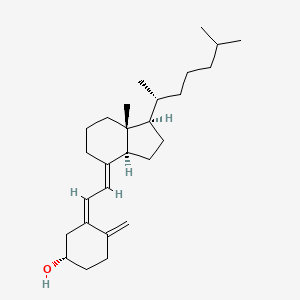
Identifiers
FormulaC27H44O·CAS67-97-0·EC200-673-2
Functions
ORAL CARESKIN Conditioning - Miscellaneous
Hazards


How do consumers feel about products containing Cholecalciferol?
Positive
Mixed
Negative
Consumers view Cholecalciferol as a highly beneficial and essential supplement for bone health, immunity, and mood, with discussions focusing on its efficacy and necessity rather than adverse effects.
Which consumer needs, benefits, and objections are associated with Cholecalciferol?
Consumers primarily associate cholecalciferol with bone health, immune support, and mood stabilization, often citing it as the preferred vitamin D form for absorption. A common usage guidance is taking it with meals containing healthy fats. However, serious objections exist around pet toxicity from cholecalciferol-based rodenticides, which can cause kidney failure and heart complications in animals. There is also moderate concern about dangerous side effects from high-dose supplements, such as a 200,000 IU softgel product. These objections highlight a need for clear safety communication and dosing guidance, especially for households with pets.
What do consumers discuss about Cholecalciferol?
Bone Health and Calcium Absorption
Cholecalciferol is consistently described as critical for calcium absorption, maintaining bone density, and preventing osteoporosis, particularly in older adults and menopausal women.
lemon8-app
pinterest
tiktok
facebook
Immunity and Mental Wellness
Consumers highlight Cholecalciferol's role beyond bones, noting its importance for immune system support and stabilizing mood, including potential benefits for depression and anxiety.
lemon8-app
tiktok
Supplementation Necessity vs. Diet
While some users advocate for supplements due to difficulty obtaining sufficient D3 from food or sunlight alone, others discuss dietary sources like salmon and mushrooms, acknowledging the limitations of natural intake.
lemon8-app
Product Formulations and Dosage
Discussions often focus on specific product features, such as high-potency softgels, chewable tablets, or combinations with K2 and Calcium, emphasizing ease of use and bioavailability.
facebook
tiktok
Medical Contexts (Dialysis/Veterinary)
A small number of posts discuss Cholecalciferol in specific medical contexts, such as administration during dialysis or its use as a rodenticide in veterinary medicine.
youtube
facebook
How are current products and patent claims responding to consumer concerns about Cholecalciferol?
Current patent claims respond to consumer concerns by expanding cholecalciferol's therapeutic applications and combining it with complementary nutrients. For example, one patent claims its use in reducing intestinal villi atrophy in celiac disease, addressing malabsorption concerns. Another claims a combination with vitamin K2 and magnesium for autoimmune modulation, targeting immune health. A third combines cholecalciferol with apoaequorin for calcium imbalance and vitamin D deficiency. These claims indicate a market shift toward condition-specific formulations rather than generic supplementation, though patents do not confirm product adoption.
What concerns do consumers raise about Cholecalciferol?
Difficulty meeting daily requirements through diet and sunlight alone
lemon8-app
tiktok
Potential for toxicity or side effects at high doses
facebook
Where is the gap between consumer expectations and the current Cholecalciferol offering?
The gap lies between consumer expectations for safe, effective supplementation and the current offering, which includes high-dose products that raise safety concerns. While consumers seek benefits like bone health and immunity, they also worry about toxicity—both from accidental pet exposure and from high-potency supplements. Patent claims address efficacy and delivery but do not directly tackle safety communication or pet-safe packaging. This suggests an opportunity for clearer dosing guidelines and child- or pet-resistant packaging, which are not evident in the current patent landscape.
Which formulation approaches are being used to address those concerns around Cholecalciferol?
Formulation approaches in recent patents focus on improving the delivery of fat-soluble cholecalciferol. One patent claims a nutrient-rich bone broth emulsion where cholecalciferol is added to a vegetable oil emulsion, enhancing solubility. Another claims a dietary supplement with beadlets and a liquid oil phase containing vitamin D, allowing co-delivery of water- and fat-soluble nutrients. These approaches aim to address absorption concerns by leveraging lipid-based systems. Additionally, an orodispersible solid formulation is claimed for celiac disease, offering an alternative for patients with gastrointestinal issues.
What consumer-led opportunity or risk should researchers consider for Cholecalciferol?
A consumer-led opportunity exists in developing cholecalciferol formulations that explicitly address pet toxicity concerns, as this is a serious objection in consumer conversations. While patents focus on human therapeutic uses, none appear to claim pet-safe delivery systems or packaging. Researchers could explore formulations that minimize accidental pet ingestion risk, such as child-resistant packaging or taste-masking to deter animals. This could differentiate products in a market where pet owners are highly vigilant. However, the absence of patent activity in this area suggests it remains an open niche.