Cholecalciferol Patent Landscape
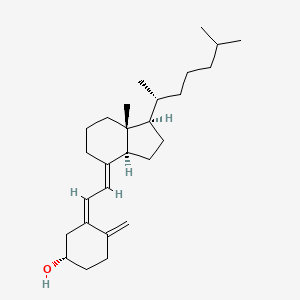
Identifiers
Functions
Hazards


Which organizations and claims shape current development around Cholecalciferol?
Key organizations include Abiogen Pharma Spa (celiac disease), Korea University Research and Business Foundation (kidney disease), Quincy Bioscience LLC (vitamin D deficiency with apoaequorin), and Biotarget Spolka (enteral tablets). Claims focus on therapeutic uses, specific dosage ranges (e.g., 0.4–11 μg/kg/day for celiac disease; 4,000–6,000 IU in autoimmune protocol), and combination with co-ingredients like vitamin K2, magnesium, and botanical extracts. This suggests a mix of pharma and nutraceutical players pursuing differentiated health claims. A boundary: assignees are not necessarily the commercial manufacturers.
How is Cholecalciferol innovation changing in Food & Beverage?
Monthly patent filings by domain
Which technical problems do recent patents address with Cholecalciferol?
Recent patents address non-classical therapeutic problems, including reducing intestinal villi atrophy in celiac disease, modulating autoimmune responses, and protecting against particulate-matter-induced kidney disease. These go beyond traditional bone health or deficiency correction. The implication is that cholecalciferol is being repositioned as a disease-modifying agent, which could open regulatory pathways for drug claims. A boundary: these are patent claims, not proven clinical efficacy, so commercial adoption remains unverified.
How do recent patents change the role or application of Cholecalciferol?
Cholecalciferol's role shifts from a nutritional supplement to an active pharmaceutical ingredient in several recent patents. It is claimed as the primary active agent for celiac disease and kidney disease, and as a key component in autoimmune modulation protocols. This change implies higher-dose, targeted therapeutic applications, potentially requiring drug-grade specifications and safety data. A boundary: in one enteral tablet patent, it remains a secondary nutrient, indicating its role is not uniformly therapeutic across all filings.
How is Cholecalciferol used in Food & Beverage patents?
Which Food & Beverage product categories feature Cholecalciferol in recent patents?
Which product categories and formulation strategies emerge in recent work on Cholecalciferol?
Emerging formulation strategies include orodispersible solids, gels, capsules, tablets, powders, solutions, and enteral-coated tablets. One patent specifies a tablet core with an enteric envelope for targeted gastrointestinal delivery, while another uses a liquid oil phase for fat-soluble delivery. Product categories span dietary supplements, nutraceuticals, and pharmaceutical compositions. The implication is a move toward enhanced bioavailability and site-specific release, which could support higher efficacy claims. A boundary: only one patent details a specific concentration (3.09% in tablet core), so broader formulation trends are limited.
Where is the evidence-backed white space for further development of Cholecalciferol?
Evidence-backed white space exists in combining cholecalciferol with other bioactive compounds for targeted organ protection, such as the kidney-disease patent and the apoaequorin combination. Also, the celiac disease patent opens a niche for gastrointestinal-specific formulations. However, no patents address pediatric or geriatric-specific dosing, or combination with other vitamins beyond K2 and magnesium. This suggests opportunities for age-specific formulations or novel synergistic combinations. A boundary: white space is inferred from absence in the provided patent set, not a comprehensive market gap analysis.