Defatted Rapeseed Powder Toxicity
Identifiers
Hazards

What are the material safety considerations for defatted rapeseed powder?
Defatted rapeseed powder presents primarily irritant hazards, not acute systemic toxicity. GHS classifications include H315 (skin irritation), H319 (serious eye irritation), and H335 (respiratory irritation), all with Warning signal words. The rat oral LD50 exceeds 19,431.7 mg/kg, indicating very low acute oral toxicity. A zebrafish LC50 of 710 mg/L over 96 hours suggests moderate aquatic toxicity. These findings support handling as an irritant material rather than a toxic substance, with focus on dermal, ocular, and respiratory protection during formulation and processing.
How should hazard classifications and toxicology findings for defatted rapeseed powder be interpreted together?
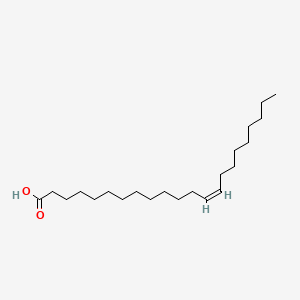
The GHS irritant classifications and high oral LD50 should be interpreted as complementary: the material is hazardous primarily through local contact effects rather than systemic toxicity. The Warning-level classifications for skin, eye, and respiratory irritation indicate that exposure controls should prioritize preventing direct contact and inhalation of dust. The high LD50 (>19,431.7 mg/kg) supports that accidental ingestion poses minimal acute risk. A cosmetic ingredient review concluded erucic acid, a related component, is safe when formulated to be non-irritating and non-sensitizing, suggesting that formulation adjustments can mitigate irritant potential.
Which exposure routes, dose contexts, or effects are material for defatted rapeseed powder?
Material exposure routes are dermal, ocular, and inhalation, based on the GHS classifications for skin irritation (H315), eye irritation (H319), and respiratory irritation (H335). The oral route is less concerning given the high LD50 (>19,431.7 mg/kg in rats). Occupational exposure to dust is the primary concern, particularly during powder handling, weighing, and mixing operations. Aquatic toxicity (zebrafish LC50 710 mg/L) indicates that environmental release should be managed, though this is a secondary consideration for most formulation settings. No occupational exposure limits were available to benchmark workplace air concentrations.
Which handling and risk-management measures are relevant for defatted rapeseed powder?
Risk management should focus on preventing skin, eye, and respiratory irritation through engineering controls and personal protective equipment. Local exhaust ventilation or dust collection is recommended to minimize airborne powder during transfer and blending. Chemical-resistant gloves and eye protection address the H315 and H319 hazards, while respiratory protection (e.g., N95 or equivalent) is appropriate where dust generation exceeds comfort levels. Formulation strategies to reduce irritancy, as suggested by the cosmetic review conclusion for erucic acid, may include encapsulation or particle-size modification. Spill cleanup should avoid dry sweeping to prevent dust re-suspension.
Which safety evidence gaps should be resolved before making decisions about defatted rapeseed powder?
Key evidence gaps include the absence of occupational exposure limits (e.g., PEL, TLV) and any handling or storage guidance specific to defatted rapeseed powder. The available toxicology data are limited to acute endpoints; chronic toxicity, reproductive effects, and sensitization potential are not documented. The cosmetic review conclusion applies to erucic acid, not the whole powder, so ingredient-specific dermal sensitization data are needed. Aquatic toxicity was tested on zebrafish only; additional species data would strengthen environmental risk assessment. These gaps should be addressed before finalizing safety data sheets or occupational exposure standards.