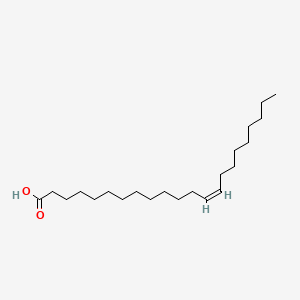
Regulations of Defatted Rapeseed Powder

defatted rapeseed powder

Identifiers

FormulaC22H42O2·CAS112-86-7·EC204-011-3

Hazards

Irritant

How does the regulatory treatment of defatted rapeseed powder differ by market or product category?

Regulatory treatment varies by jurisdiction and is tied to erucic acid (13-docosenoic acid) rather than the powder itself. In the EU, ECHA C&L notifications apply, and EFSA's legal basis references Regulation (EC) No 178/2002, indicating food-safety framework oversight. In the US, EPA TSCA lists the substance as ACTIVE with CDR reporting obligations for manufacturers/importers under 40 CFR Part 711. Australia's AICIS inventory includes it as an industrial chemical, while New Zealand lacks individual approval, allowing use only under a group standard. No food-additive approvals or exposure limits were identified for any market, so food-category status remains unconfirmed.

Which United States federal regulations apply to Defatted rapeseed powder?

1 regulation

EPA TSCA Regulatory Flag

13-Docosenoic acid, (13Z)- is listed on the EPA's Chemical Data Reporting (CDR) system. Manufacturers and importers of 13-Docosenoic acid, (13Z)- are required to report information about their production and use of this chemical to the EPA under the Toxic Substances Control Act (TSCA). (40 eCFR Part 711)

What EU regulatory requirements apply to Defatted rapeseed powder?

2 regulations

EFSA Legal Basis

Regulation (EC) No 178/2002 (amended)

Status Regulation (EC)

Regulation (EC) No 178/2002 (amended)

What regulations apply to Defatted rapeseed powder in Canada?

1 regulation

DSL / NDSL

Published
04 May 1994
Effective
04 May 1994

Regulatory records

EntryRegulationTypeStatus
112-86-7SOR/94-311DSLauthorized

Conditions

This substance is on the Domestic Substances List (DSL). This substance was added to the DSL as an “Existing Substance” given that it meets the criteria set out in CEPA for substances that were in commerce in Canada between 1984 and 1986.

Record details

SOR/94-311

professional use only
No

What regulations apply to Defatted rapeseed powder in Australia?

1 regulation

The Australian Inventory of Industrial Chemicals

Chemical: 13-Docosenoic acid, (Z)-

What regulations apply to Defatted rapeseed powder in New Zealand?

1 regulation

New Zealand EPA Inventory of Chemical Status

Erucic acid: Does not have an individual approval but may be used under an appropriate group standard

Which conditions, limits, and use contexts most affect a compliance assessment for defatted rapeseed powder?

The most decision-relevant conditions are GHS hazard classifications and TSCA reporting thresholds. GHS notifications show H315 (skin irritation, 61.1%), H319 (eye irritation, 59.7%), and H335 (respiratory irritation, 56.9%), all with Warning signal word—these affect labeling, SDS, and handling documentation. In the US, if the powder's erucic acid content triggers CDR listing, manufacturers/importers must report production/use data under TSCA. No quantitative exposure limits or food-use conditions were provided, so formulation-specific limits (e.g., erucic acid concentration) cannot be assessed from this evidence.

What should be in place before a product containing defatted rapeseed powder is assessed for launch?

Before launch assessment, documentation should confirm the erucic acid content and its regulatory status in each target market. For the US, verify whether TSCA CDR reporting applies and prepare production/use data per 40 CFR Part 711. For the EU, ensure GHS classification and labeling align with ECHA C&L notifications (H315, H319, H335). For New Zealand, confirm the applicable group standard since no individual approval exists. For Australia, verify AICIS inventory listing. No food-additive approval or exposure-limit documentation exists in the evidence, so food-use claims would require additional regulatory confirmation beyond what is available.

Where does the available regulatory position stop short of supporting a decision on defatted rapeseed powder?

The regulatory position stops short of confirming food-use status. No food-additive approvals, exposure limits, or product-category-specific conditions were found. The evidence centers on erucic acid as an industrial chemical, not defatted rapeseed powder as a food ingredient. US EPA notes historical toxicity findings (thrombocytopenia, myocardial fibrosis in animal studies) but these are hazard flags, not regulatory limits. The absence of EFSA or FDA food-specific determinations means a compliance decision cannot rest on this evidence alone. Additionally, GHS classifications are aggregated from company notifications, not authoritative regulatory classifications, so they indicate potential hazards but not binding requirements.

Which recent regulatory changes or effective dates are material for defatted rapeseed powder?

No recent regulatory changes or effective dates were identified in the evidence. The only dated reference is the TSCA CDR requirement under 40 CFR Part 711, which is an ongoing obligation rather than a new change. The EFSA legal basis cites Regulation (EC) No 178/2002 (amended), but no amendment date or transitional period is specified. For launch planning, monitor whether erucic acid's TSCA ACTIVE status or New Zealand group-standard coverage undergoes revision, as these are the most dynamic points. However, without evidence of pending changes, no immediate regulatory action is warranted based on this information.