Defatted Rapeseed Powder Suppliers & Manufacturers
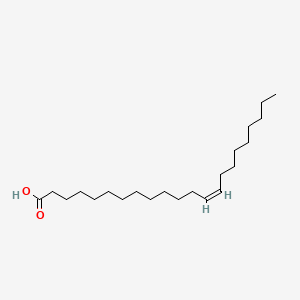
Identifiers
Hazards

What does available trade activity indicate for Defatted rapeseed powder?
Defatted rapeseed powder is classified under HS Code 2306.49. This falls under Chapter 23: Food industries, residues and wastes thereof; prepared animal fodder, specifically Heading 2306 (Oil-cake and other solid residues; whether or not ground or in the form of pellets, resulting from the extraction of vegetable or microbial fats or oils, other than those of heading no. 2304 or 2305), under subheading: Oil-cake and other solid residues; whether or not ground or in the form of pellets, resulting from the extraction of rape seed oils (other than low erucic acid rape or colza).
* The data below is specific to the HS code, not the ingredient.
Suppliers
16
Across 6 countries
Shipments
64
from 2019 to 2026
Total weight
8M kg
540 TEU · standard 20-foot container units
Last shipment
8 months ago
Last updated at Feb 25, 2026
Growth
↑ 24%
Trade under 2306.49 has increased by 24% over the past 6 months
What does trade activity suggest about the defatted rapeseed powder supply chain?
Trade activity under HS 2306.49 indicates a bulk, commodity-oriented supply chain for rapeseed oil-cake residues, with 64 shipments totaling about 8,000 metric tons from 16 suppliers across six countries. The pattern—large containerized loads and ties to grain/oil traders such as Adams Vegetable Oils—suggests movement of oilseed by-products rather than finished food-grade powder. For formulators, this implies sourcing defatted rapeseed powder may require additional specification verification, as the observed trade lanes likely handle animal feed or industrial meal. The recent growth score of 26 over 180 days hints at moderate momentum, but the data do not confirm ingredient-specific demand.
What does the HS or HTS classification include, and where are its limits for defatted rapeseed powder?
HS code 2306.49 covers oil-cake and other solid residues from extracting rape seed oils, excluding low erucic acid rape/colza, and includes ground or pelleted forms. This scope is broad: it captures rapeseed meal, cake, and possibly powder, but not exclusively defatted rapeseed powder for food use. The classification does not distinguish food-grade from feed-grade material, nor does it confirm the degree of defatting or processing. For research, this means trade data under this code can indicate supply-chain activity for rapeseed by-products generally, but cannot be used to quantify or verify shipments of the specific ingredient without additional product-level documentation.
Which suppliers are associated with Defatted rapeseed powder trade?
| Supplier | Shipments | Top customer | Growth | Last shipment | |
|---|---|---|---|---|---|
No suppliers found. | |||||
How concentrated or diversified does the supplier landscape appear for defatted rapeseed powder?
The supplier landscape appears moderately concentrated, with one Panama-based supplier (Prorganica S A) handling 33 of 64 shipments, while nine Indian suppliers collectively account for 21 shipments. This suggests a mix of a dominant volume player and a fragmented secondary base. The presence of multiple Indian suppliers and a few in the Americas indicates some diversification, but the heavy shipment concentration in one supplier creates a potential dependency. For risk management, buyers should evaluate alternative sources, especially given that the data do not confirm whether these suppliers are manufacturers or traders, which affects supply assurance.
Which supply risks or dependencies around defatted rapeseed powder require further diligence?
Key supply risks include reliance on a single high-volume supplier (Prorganica S A) and the ambiguity of HS 2306.49, which may include feed-grade meal rather than food-grade powder. The data show no explicit manufacturer labels, so supplier capabilities are unverified. Additionally, shipment dates range from 2019 to 2026, with some suppliers inactive for years, indicating potential supply discontinuity. Further diligence should confirm product specifications, food-grade certifications, and manufacturing status for each supplier, as well as assess the impact of trade lanes from India and Canada on lead times and regulatory compliance.
Which sourcing geographies and trade lanes appear most relevant to defatted rapeseed powder?
The most relevant sourcing geographies are India, Panama, and Canada, which together account for the majority of suppliers and shipment weight. India has nine suppliers and 21 shipments, suggesting a diversified base, while Panama shows one supplier with 33 shipments, indicating a high-volume lane. Canada contributes the largest weight (about 2,922 metric tons) from two suppliers, pointing to bulk exports. Argentina, Brazil, and Mexico appear as smaller lanes. For procurement, these lanes suggest potential supply from South Asian and American sources, but the data do not confirm whether these are food-grade or feed-grade flows, so further verification is needed.
Which countries drive Defatted rapeseed powder trade activity?
By shipment count
Panama
33 shipments
1 suppliers
2.2M kg total weight
India
21 shipments
9 suppliers
2.6M kg total weight
Canada
4 shipments
2 suppliers
2.9M kg total weight
Argentina
3 shipments
1 suppliers
181.3K kg total weight
Brazil
2 shipments
2 suppliers
37.3K kg total weight
Mexico
1 shipments
1 suppliers
18.2K kg total weight