“Ergothioneine — the most important nutrient you’ve probably never heard of. Found abundantly in mushrooms, this fascinating compound has captured the attention of researchers, with some even calling it a “longevity vitamin.””
Ergothioneine Consumer Sentiment
CtrlK
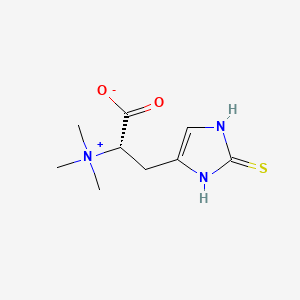
Identifiers
FormulaC9H15N3O2S·CAS497-30-3·EC207-843-5
Functions
AntioxidantSKIN Conditioning - Miscellaneous
Hazards

How do consumers feel about products containing Ergothioneine?
Positive
Mixed
Negative
Consumers view Ergothioneine as a highly valuable, scientifically-backed nutrient for longevity, cellular health, and skin brightening, with enthusiasm driven by its natural presence in mushrooms and efficacy in anti-aging products.
Which consumer needs, benefits, and objections are associated with Ergothioneine?
Consumer interest centers on longevity, cellular protection, and antioxidant benefits, with ergothioneine described as a 'longevity vitamin' and linked to lower disease and death rates. The need is for an ingredient that protects cells from free radical damage and supports healthspan, with mushrooms highlighted as the primary dietary source. No explicit consumer objections were captured in the available evidence, so the absence of stated concerns should not be read as a lack of potential sensory or efficacy issues. The business implication is a strong, positive consumer narrative around aging and cellular health, but the evidence base is limited to expert and brand-led social content.
What do consumers discuss about Ergothioneine?
Longevity and Anti-Aging
Ergothioneine is frequently described as a 'longevity vitamin' or key ingredient for slowing aging, protecting cells, and supporting mitochondrial health.
instagram
facebook
lemon8-app
tiktok
youtube
Skin Brightening and Beauty
Consumers actively seek out skincare products containing Ergothioneine for its ability to brighten skin, reduce dark spots, and protect against UV damage.
lemon8-app
tiktok
Mushroom Source and Nutrition
There is strong consumer interest in obtaining Ergothioneine naturally through mushroom consumption, with specific advice on which varieties are richest in the compound.
instagram
facebook
youtube
Cellular Energy and Mitochondrial Support
Users highlight Ergothioneine's role in supporting energy production at the cellular level and protecting mitochondria from oxidative stress.
instagram
tiktok
youtube
Antioxidant Protection
The compound is widely recognized by consumers as a potent antioxidant that protects body cells from free radical damage and inflammation.
facebook
lemon8-app
tiktok
youtube
How are current products and patent claims responding to consumer concerns about Ergothioneine?
Commercial products and patent claims are responding to consumer interest in anti-aging and cellular protection by positioning ergothioneine as an antioxidant active in cosmetics, with 92 products spanning lotions, creams, and foundations. Patent claims go further, addressing specific concerns like skin barrier repair, redness reduction, and anti-wrinkle effects by combining ergothioneine with peptides, plant extracts, and other actives. Claims also extend into internal health, including energy metabolism, anti-fatigue beverages, and off-flavor reduction in food. These are claimed approaches, not evidence of market adoption, and the product data does not confirm ergothioneine is explicitly listed in those formulations.
Where is the gap between consumer expectations and the current Ergothioneine offering?
The gap lies between consumer expectations of ergothioneine as a powerful longevity nutrient and the current offering, which is primarily limited to cosmetic products with antioxidant positioning. While consumer content emphasizes systemic benefits like lower disease rates and a specific human transporter, the commercial product landscape is dominated by topical applications like lotions and creams. Patent claims are expanding into oral supplements and beverages, but this does not confirm widespread availability. The business implication is an opportunity to bridge the gap by developing oral or food formats that align with the systemic health narrative, though evidence of consumer demand for such formats is not directly captured.
Which formulation approaches are being used to address those concerns around Ergothioneine?
Formulation approaches are primarily tackling stability and sensory issues, with patents claiming liposomal encapsulation, dual encapsulation systems, and supramolecular cocrystals to improve stability and skin permeability. Other claims focus on inhibiting degradation and odor through combinations with licorice extract and cyclodextrins, or using suspended oil droplet systems to mask off-odors. These approaches respond to the practical challenges of using a hydrophilic, potentially unstable active in topical and oral formats. The implication is that formulators are investing in delivery systems to make ergothioneine viable, but these are patent claims, not proof of commercialized products.
What consumer-led opportunity or risk should researchers consider for Ergothioneine?
A distinct opportunity is the expansion of ergothioneine into women's health, specifically ovarian health and fertility, as recent patent claims target older female fertility and ovarian function. This aligns with a broader consumer interest in longevity and cellular protection but extends into a niche, decision-relevant area not covered by current cosmetic products. The risk is that these are early-stage claims without consumer validation or market presence. Researchers should consider this a potential future direction, but the evidence does not indicate current consumer awareness or demand for ergothioneine in this context.