Products & Brands Using Ergothioneine
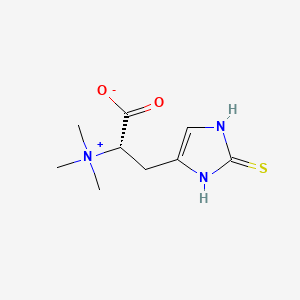
Identifiers
Functions
Hazards

How broadly is Ergothioneine used across tracked brands and products?
Brands
23
Across 10 product types
Products
92
Includes function: Antioxidant
Product Types
10
Distinct formulation categories
Functions
1
Known functional-use labels
What does product breadth indicate about the commercial maturity of Ergothioneine?
Product breadth indicates a mature but niche market: 92 products from 23 brands over 2013-2019, with sustained yearly launches (13 in 2013, 29 in 2017). The presence of major premium brands and diverse formats (serums, foundations, eye creams) suggests established adoption in high-end cosmetics. However, the absence of recent product data (post-2019) and concentration data limits assessment of current market trajectory. Patent activity remains strong, indicating ongoing innovation, but commercial maturity is moderate—not commodity-level, but beyond early adoption.
How is Ergothioneine positioned across the market?
Ergothioneine is positioned as a premium antioxidant in anti-aging skincare, with presence in brands like Clinique, La Mer, Estee Lauder, and Dior. Product names emphasize anti-aging, DNA damage control, and wrinkle repair. Patent filings expand positioning to functional foods (umami/saltiness enhancement, off-flavor reduction), energy metabolism, and therapeutic targets like Alzheimer's and ovarian health. This dual positioning—cosmetic active and nutraceutical—suggests differentiation potential in oral beauty and health products, though commercial evidence is limited to cosmetics.
Top companies using Ergothioneine in their products
Ranked by number of tracked products that list ergothioneine, out of 92 total.
Which product categories, formats, and functions use Ergothioneine?
Ergothioneine appears in 92 products across 23 brands, spanning hand/body lotions (32), face creams/moisturizers (19), foundations/concealers (18), cameras (10), eye creams (4), toners (2), and single items in aftershave, face scrub, hair conditioner, and makeup primer. Its listed function is antioxidant. Patent evidence extends into food/beverage, pharmaceuticals, and agriculture, covering anti-wrinkle compositions, liposomes, off-flavor reducers, taste enhancers, delivery systems, and health products. This breadth indicates ergothioneine functions primarily as a skin antioxidant in cosmetics but is being explored for oral and therapeutic uses.
Which product categories contain Ergothioneine?
Tracked product categories ranked by distinct products containing this ingredient.
Which formulation and co-ingredient patterns recur around Ergothioneine?
Recurring co-ingredients include humectants (glycerol, hyaluronate sodium), emollients (dimethicone, squalane), preservatives (2-phenoxyethanol), and antioxidants (tocopherol acetate, tetrahexyldecyl ascorbate). Patent filings show deliberate combinations with anti-glycation agents (carnosine, tetrahydrocurcumin), NAD+ precursors (NMN, NR), and stabilizers (cyclodextrin, licorice extract) to address degradation and odor. Encapsulation systems—liposomes, cocrystals, supramolecular complexes, and emulsion carriers—are common, indicating formulation focus on stability and delivery. These patterns suggest ergothioneine is often paired with complementary antioxidants and barrier-supporting ingredients in premium skincare.
Which product spaces around Ergothioneine appear crowded or differentiated?
Crowded spaces include anti-aging skincare and antioxidant serums, with many patents and products. Differentiated opportunities lie in functional food applications—taste modification (umami, saltiness, sweetness enhancement, off-flavor reduction) and specific health targets like muscle differentiation, menopausal symptoms, and ovarian function. Also underexplored are delivery systems addressing ergothioneine's odor and bitterness, and pharmaceutical uses like retinitis pigmentosa treatment. These niches offer evidence-backed differentiation beyond conventional antioxidant claims.