“Introducing@platedskinscience the award winning “Best Exosome Serum 2024”... The exosomes in Renewosome™ technology are derived from the body’s natural first responders to the site of need - platelets. With 1 Trillion+ exosomes in every bottle it is clinically proven to see results within 6 weeks.”
Exosomes Consumer Sentiment
CtrlK
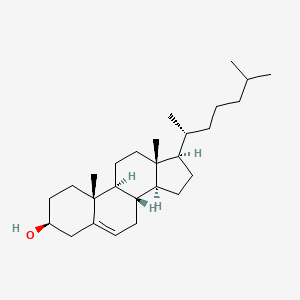
Identifiers
FormulaC27H46O·CAS57-88-5·EC200-353-2
Functions
HAIR ConditioningSKIN Conditioning
How do consumers feel about products containing Exosomes?
Positive
Mixed
Negative
Consumers are highly intrigued by the anti-aging and regenerative potential of exosomes, but significant skepticism remains regarding clinical evidence, high costs, and regulatory safety.
Which consumer needs, benefits, and objections are associated with exosomes?
Consumers associate exosomes with clinical-grade skin benefits, including improved texture, refined pores, reduced hyperpigmentation, and anti-aging effects like collagen stimulation and wrinkle reduction. They view exosomes as a regenerative, non-surgical alternative to procedures like Botox or lasers, often comparing results to professional treatments. Objections are limited but include uncertainty about suitability for oily skin and caution about using exosome serums with microneedling, especially for beginners. These concerns are minor but signal a need for clearer guidance on skin-type compatibility and safe at-home device use.
What do consumers discuss about Exosomes?
Anti-Aging and Skin Repair
Exosomes are primarily marketed and perceived as powerful tools for collagen stimulation, wrinkle reduction, and cellular regeneration.
instagram
facebook
lemon8-app
tiktok
K-Beauty Integration
Exosomes are heavily featured in Korean skincare routines, often paired with PDRN, spicules, and cica for soothing and brightening effects.
facebook
lemon8-app
Hair Regrowth
Platelet-derived exosomes are specifically highlighted for treating hair loss and improving scalp health.
instagram
Scientific Education and Definitions
Discussions focus on clarifying what exosomes are, distinguishing them from secretomes, and explaining their mechanism of cellular communication.
instagram
facebook
youtube
Safety and Regulation Concerns
Users express caution about the lack of FDA approval for injectables and the uncertainty surrounding long-term efficacy and safety.
instagram
facebook
How are current products and patent claims responding to consumer concerns about exosomes?
Current products respond to consumer demand by positioning exosomes as professional-grade, at-home treatments and clinical enhancements. Brands like Medicube offer 'Exosome Shot' serums for home use, while Dermapen markets pro-grade serums containing exosomes for microneedling. Clinics combine exosomes with procedures like microneedling or Botox to amplify regenerative and wrinkle-reducing effects. No patent claims are available in the evidence, so the market response is driven by product positioning and professional endorsements rather than documented proprietary technology.
What concerns do consumers raise about Exosomes?
High cost and uncertain value for money
instagram
facebook
Lack of FDA approval and regulatory clarity for injectables
instagram
facebook
Insufficient scientific evidence for topical efficacy
instagram
facebook
Confusion between exosomes and secretomes
youtube
Where is the gap between consumer expectations and the current exosomes offering?
The main gap is between consumer expectations of professional-grade results and the lack of clear guidance on safe, effective use. Consumers report visible improvements from at-home exosome serums, but also express uncertainty about oily skin compatibility and caution against using certain serums with microneedling for beginners. This suggests that while efficacy is perceived as high, education on skin-type suitability and device integration lags behind. Brands that provide clearer usage protocols and skin-type recommendations could better align expectations with real-world outcomes.
Which formulation approaches are being used to address those concerns around exosomes?
Formulation approaches focus on combining exosomes with complementary ingredients to address efficacy and skin-type concerns. For example, one acne-focused line pairs exosomes with AHA, BHA, PHA, niacinamide, panthenol, and allantoin to exfoliate, calm inflammation, and brighten without irritation. Another product combines exosomes with peptides and probiotics, though consumer questions about oily skin suitability remain. These combinations aim to broaden appeal by targeting multiple concerns, but no formulation data confirms how exosome stability or delivery is optimized.
What consumer-led opportunity or risk should researchers consider for exosomes?
A consumer-led opportunity exists in developing exosome formulations specifically for oily and acne-prone skin, as this was a noted concern. Pairing exosomes with oil-controlling and soothing ingredients like niacinamide and panthenol could address this unmet need. The risk is that overhyped 'buzzword' positioning may outpace scientific substantiation, leading to skepticism if results are inconsistent. Researchers should prioritize clinical validation of exosome efficacy and safety, especially for at-home use, to maintain consumer trust.