EPA TSCA Regulatory Flag
Cholest-5-en-3-ol (3.beta.)-: ACTIVE
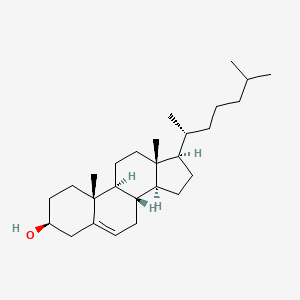
Identifiers
Functions
Regulatory treatment of exosomes varies by market and product category, but the available evidence centers on cholesterol, a component often found in exosome membranes. In the EU, cholesterol is an active REACH registered substance with ECHA C&L notifications, indicating established chemical oversight. In the US, it is listed as active under TSCA and has FDA requirements specific to OTC drug products, where it is not recognized as safe and effective for treating boils. Australia and New Zealand include it on industrial chemical inventories, with New Zealand allowing use under group standards. These distinctions imply that exosome products may face different classification and compliance pathways depending on jurisdiction and intended use.
2 regulations
Cholest-5-en-3-ol (3.beta.)-: ACTIVE
Drug products containing active ingredients offered over-the-counter (OTC) for the treatment of boils. (a) ... /Cholesterol has/ been present in OTC boil treatment drug products. There is a lack of adequate data to establish general recognition of the safety and effectiveness of these or any other ingredient for OTC use for the treatment of boils. ... Based on evidence currently available, any OTC drug product offered for the treatment of boils cannot be considered generally recognized as safe and effective. (b) Any OTC drug product that is labeled, represented, or promoted for the treatment of boils is regarded as a new drug within the meaning of section 201(p) of the Federal Food, Drug, and Cosmetic Act (the act), for which an approved application or abbreviated application under section
Sources
1 regulation
Status: Active Update: 15-03-2023 https://echa.europa.eu/registration-dossier/-/registered-dossier/11031
1 regulation
Chemical: Cholest-5-en-3-ol, (3.beta.)-
1 regulation
Cholesterol: Does not have an individual approval but may be used under an appropriate group standard
The most impactful conditions and limits for exosome compliance relate to the regulatory status of their components and the intended product category. For cholesterol, a common exosome membrane component, the EU REACH registration is active, implying obligations for registration and safe use. In the US, FDA requirements indicate that OTC drug products containing cholesterol for treating boils lack adequate safety and effectiveness data, and such products are considered new drugs requiring approval. This suggests that exosome products positioned as OTC drugs may face significant regulatory hurdles. Additionally, TSCA active status in the US and inventory listings in Australia and New Zealand indicate chemical substance oversight, which may impose notification or assessment requirements.
Before assessing an exosome product for launch, documentation should include evidence of the regulatory status of all constituent components, particularly cholesterol. This includes confirming REACH registration status in the EU, TSCA commercial activity status in the US, and inventory listings in Australia and New Zealand. For any OTC drug claims, FDA requirements indicate that safety and effectiveness data must be sufficient to support general recognition, otherwise an approved application is needed. Additionally, if the product is marketed as a drug, compliance with FDA new drug provisions is necessary. The evidence does not specify exosome-specific documentation, so a thorough component-level regulatory review is essential.
The available regulatory position stops short of supporting a decision on exosomes because it addresses cholesterol, not exosomes themselves. While cholesterol's regulatory status is documented across multiple jurisdictions, exosomes are complex biological vesicles with variable composition, and their classification as a drug, cosmetic, or industrial chemical is not established in the evidence. The FDA's position on cholesterol in OTC boil treatments does not extend to exosomes, and no exosome-specific regulations or approvals are cited. Therefore, relying on this evidence alone would be insufficient to determine compliance pathways, and additional regulatory guidance specific to exosomes is needed.
The evidence does not indicate any recent regulatory changes or effective dates specifically for exosomes. The only dated regulatory update is the EU REACH registration for cholesterol, which was last updated on 15-03-2023, but this pertains to a component, not exosomes. No other effective dates or recent amendments are provided. Therefore, there is no material regulatory change to factor into an exosome compliance assessment based on the supplied evidence. Businesses should monitor for future exosome-specific regulatory developments, as the current framework is inferred from component-level regulations.