Inulin Propionate Ester Toxicity
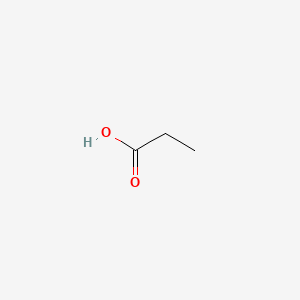
Identifiers
Functions
Hazards

What are the material safety considerations for inulin propionate ester?
Inulin propionate ester presents a material safety profile dominated by corrosivity, flammability, and acute toxicity hazards. GHS classifications include H314 (severe skin burns and eye damage), H318 (serious eye damage), H226 (flammable liquid and vapor), H311 (toxic in contact with skin), H302/H303 (harmful if swallowed), H335 (respiratory irritation), and H402 (harmful to aquatic life). Acute toxicity data show rat oral LD50 values of >400 mg/kg and 2600 mg/kg, a mouse IV LD50 of 625 mg/kg, and a rat parenteral LD50 of 3500 mg/kg. These hazards require stringent handling controls and signal a high-risk profile for occupational settings.
How should hazard classifications and toxicology findings for inulin propionate ester be interpreted together?
The GHS classifications and toxicology findings should be interpreted as indicating a corrosive, flammable, and acutely toxic substance requiring comprehensive safety measures. The H314 and H318 classifications align with reported effects of severe skin burns, eye damage, and respiratory tract corrosion. The H311 dermal toxicity classification is consistent with dermal LD50 data in rabbits (between 501 and 794 mg/kg). The H302/H303 oral classifications are supported by rat oral LD50 values. The H226 flammability classification and H335 respiratory irritation are corroborated by exposure symptoms. Together, these data suggest that inulin propionate ester poses immediate health risks upon contact, inhalation, or ingestion, necessitating robust engineering controls and personal protective equipment.
Which exposure routes, dose contexts, or effects are material for inulin propionate ester?
Material exposure routes for inulin propionate ester include inhalation of vapor, skin absorption, ingestion, and skin/eye contact. Short-term exposure effects include severe corrosion to the eyes, skin, and respiratory tract, with symptoms such as cough, sore throat, burning sensation, shortness of breath, redness, pain, blisters, blurred vision, abdominal pain, vomiting, and potential shock or collapse. Occupational exposure limits are set at 10 ppm (30 mg/m³) as an 8-hour TWA (ACGIH, NIOSH, and vacated OSHA PEL), with a 15-minute STEL of 15 ppm (45 mg/m³). These limits and effects indicate that airborne and dermal exposures are primary concerns in workplace settings.
Which handling and risk-management measures are relevant for inulin propionate ester?
Handling and risk-management measures for inulin propionate ester must prioritize preventing skin, eye, and respiratory contact, as well as controlling fire risk. Immediate first aid for eye contact involves flushing with water for 20-30 minutes; for skin, flood with water and remove contaminated clothing; for inhalation, move to fresh air and seek medical attention; for ingestion, do not induce vomiting and give water if conscious. Storage should be in a cool, dry, well-ventilated area, preferably outside or detached. Material compatibility is critical: ordinary steel is unsuitable, aluminum is only resistant under specific conditions, and copper alloys are stable only in air-free solutions. Polyethylene may be used for temporary storage, but plastics are not recommended for long-term use.
Which safety evidence gaps should be resolved before making decisions about inulin propionate ester?
Before making decisions about inulin propionate ester, the primary evidence gap is the lack of ingredient-specific toxicological and exposure data. The available GHS classifications, LD50 values, and exposure limits appear to be derived from propionic acid or related substances, not the ester itself. This creates uncertainty about the ester's actual corrosivity, flammability, and systemic toxicity. Additionally, no data are available on chronic toxicity, carcinogenicity, reproductive effects, or environmental fate. Resolving these gaps would require ingredient-specific studies, including acute and repeated-dose toxicity, dermal and inhalation exposure assessments, and environmental impact evaluations.