Inulin Propionate Ester Suppliers & Manufacturers
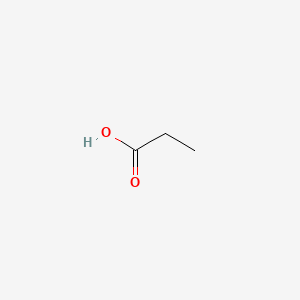
Identifiers
Functions
Hazards

What does available trade activity indicate for Inulin propionate ester?
Inulin propionate ester is classified under HS Code 2915.50. This falls under Chapter 29: Organic chemicals, specifically Heading 2915 (Acids; saturated acyclic monocarboxylic acids and their anhydrides, halides, peroxides and peroxyacids; their halogenated, sulphonated, nitrated or nitrosated derivatives), under subheading: Acids; saturated acyclic monocarboxylic acids; propionic acid, its salts and esters.
* The data below is specific to the HS code, not the ingredient.
Suppliers
216
Across 29 countries
Shipments
2,030
from 2015 to 2026
Total weight
1.4B kg
3,583 TEU · standard 20-foot container units
Last shipment
8 months ago
Last updated at Feb 25, 2026
Growth
↑ 36%
Trade under 2915.50 has increased by 36% over the past 6 months
What does trade activity suggest about the inulin propionate ester supply chain?
Trade activity under HS 2915.50 indicates a large, active supply chain for propionic acid derivatives, with 216 suppliers and over 2,000 shipments since 2015. However, this evidence is not ingredient-specific; the classification covers many compounds beyond inulin propionate ester. The presence of major chemical manufacturers and flavor/fragrance houses suggests a robust network capable of producing or distributing esters, but direct confirmation of inulin propionate ester trade is absent. For formulation planning, treat this as a signal of available chemical infrastructure rather than proof of commercial availability.
What does the HS or HTS classification include, and where are its limits for inulin propionate ester?
HS 2915.50 covers propionic acid, its salts, and esters, including saturated acyclic monocarboxylic acid derivatives. This scope is broad, encompassing commodity chemicals like acetic acid derivatives and various esters, not just inulin propionate ester. The HTS 2915.50.10.00 extends this for U.S. imports but remains generic. Consequently, supplier activity under this code cannot be attributed to inulin propionate ester without additional product-level documentation. For regulatory or sourcing decisions, assume the classification provides only a category-level view, not a product-specific confirmation.
Which suppliers are associated with Inulin propionate ester trade?
| Supplier | Shipments | Top customer | Growth | Last shipment | |
|---|---|---|---|---|---|
No suppliers found. | |||||
How concentrated or diversified does the supplier landscape appear for inulin propionate ester?
The supplier landscape appears moderately concentrated, with a few large suppliers (e.g., Niacet, Givaudan, Macco) accounting for a significant share of shipments, while many smaller suppliers contribute lower volumes. This mix suggests a diversified but not fragmented market, with key players likely having broad chemical portfolios. For inulin propionate ester, this implies potential multiple sourcing options, but the lack of ingredient-specific data means concentration risk cannot be accurately assessed. Due diligence should focus on identifying which suppliers actually produce or distribute the specific ester.
Which supply risks or dependencies around inulin propionate ester require further diligence?
Key supply risks include the inability to confirm which suppliers handle inulin propionate ester specifically, given the broad HS classification. The presence of non-chemical entities (e.g., Fit Foods) suggests potential misclassification or cross-category trading, complicating supplier identification. Additionally, reliance on major chemical manufacturers may pose availability risks if they do not produce this niche ester. Further diligence should include direct supplier inquiries, product certifications, and sample testing to verify authenticity and regulatory compliance, as trade data alone cannot mitigate these uncertainties.
Which sourcing geographies and trade lanes appear most relevant to inulin propionate ester?
Belgium, the Netherlands, Mexico, Germany, and the UK dominate supplier counts and shipment volumes, with India and China also active. These geographies suggest a European-centric supply base with significant North American and Asian lanes. The presence of major chemical and flavor companies in these regions indicates established trade routes for carboxylic acid derivatives. However, since the data is not ingredient-specific, these lanes may reflect broader chemical trade rather than inulin propionate ester specifically. For sourcing, prioritize these regions for potential supplier engagement but verify product-specific capabilities.
Which countries drive Inulin propionate ester trade activity?
By shipment count
Belgium
457 shipments
55 suppliers
12.5M kg total weight
Netherlands
345 shipments
21 suppliers
8.3M kg total weight
Mexico
319 shipments
11 suppliers
5.4M kg total weight
Germany
280 shipments
11 suppliers
6.3M kg total weight
United Kingdom
174 shipments
13 suppliers
3.1M kg total weight
India
142 shipments
23 suppliers
2.4M kg total weight
China
77 shipments
27 suppliers
563.7K kg total weight
France
42 shipments
5 suppliers
136.2K kg total weight
Taiwan
36 shipments
2 suppliers
587.6K kg total weight
Canada
33 shipments
11 suppliers
749.9K kg total weight