“Meanwhile, Montmorillonite clay acts effectively to absorb excess oil without leaving the skin feeling tight or dry.”
Montmorillonite Consumer Sentiment
CtrlK
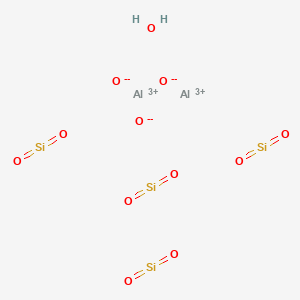
Identifiers
FormulaAl2H2O12Si4·CAS1318-93-0·EC215-108-5
Functions
AbrasiveAbsorbent +4 more
Hazards

How do consumers feel about products containing Montmorillonite?
Positive
Mixed
Negative
Consumers and brands view Montmorillonite as a highly effective, versatile natural ingredient for skincare, health remedies, and industrial applications, praising its absorption and healing properties.
Which consumer needs, benefits, and objections are associated with Montmorillonite?
Consumers primarily value Montmorillonite for oil control, deep pore cleansing, and detoxification in skincare, often describing it as a natural 'magnet' for impurities. A secondary need is oral health, with DIY toothpaste users seeking enamel remineralization and gum benefits. No explicit objections were captured in the evidence, but the absence of negative sentiment may reflect limited data rather than true consumer satisfaction. The business implication is that Montmorillonite's absorbent and ion-exchange properties align with demand for natural, functional ingredients, but formulators should verify that oil-control claims do not compromise skin comfort, as consumers praise formulations that avoid tightness or dryness.
What do consumers discuss about Montmorillonite?
Skincare and Pore Cleansing
Montmorillonite is widely praised in consumer reviews and product descriptions for its ability to absorb excess oil, clear clogged pores, and cleanse skin without causing dryness.
lemon8-app
pinterest
Natural Healing and Remedies
Users discuss using pure Montmorillonite clay as a natural remedy for burns and gum health, highlighting its soothing and regenerative properties.
youtube
Product Composition and Quality
Consumers and experts distinguish between different types of green clay, noting that high-quality products often contain Montmorillonite mixed with Illite rather than just Illite alone.
facebook
How are current products and patent claims responding to consumer concerns about Montmorillonite?
Current products respond to consumer needs by combining Montmorillonite with complementary actives such as salicylic acid, Centella, niacinamide, and tea tree in masks and cleansers, targeting acne and oil control. Patent claims, while not indicating market adoption, show approaches to modify Montmorillonite for enhanced performance—such as organic modification for flame retardancy or nano-compositing for antibacterial properties—which could translate to skincare innovations like improved delivery or safety. The implication is that brands are leveraging Montmorillonite's versatility, but patents focus on industrial applications, leaving a gap in consumer-facing claims for novel cosmetic benefits.
Where is the gap between consumer expectations and the current Montmorillonite offering?
The gap lies between consumer expectations of Montmorillonite as a 'natural detoxifier' and the lack of clinical or regulatory substantiation for such claims. While consumers use it for oral remineralization and deep cleansing, commercial products primarily feature it in masks and color cosmetics, with only one toothpaste product identified. Patents focus on industrial uses, not consumer health benefits, leaving a disconnect between perceived efficacy and scientific validation. The implication is that brands could differentiate by investing in evidence-based claims for oil control and oral health, but must navigate regulatory boundaries for therapeutic assertions.
Which formulation approaches are being used to address those concerns around Montmorillonite?
Formulation approaches address consumer concerns by pairing Montmorillonite with humectants and soothing agents to prevent dryness, as seen in masks with avocado, oatmeal, and squalane. In oral care, DIY formulations use calcium montmorillonite for remineralization, though commercial toothpaste products are rare. Patent claims reveal advanced techniques like silane modification and intercalation to improve dispersion and stability, which could inform cosmetic formulations for better texture and efficacy. The implication is that while current products focus on simple blends, patented modification methods offer untapped potential for enhancing Montmorillonite's performance in personal care.
What consumer-led opportunity or risk should researchers consider for Montmorillonite?
A consumer-led opportunity exists in oral care, where DIY use of calcium montmorillonite for remineralization is discussed, yet commercial products are scarce. This suggests an unmet demand for safe, effective clay-based toothpaste. However, the risk is that unsubstantiated health claims could attract regulatory scrutiny, especially given the lack of clinical evidence. Researchers should explore formulation stability and safety for oral applications, potentially leveraging patented ion-exchange properties for controlled mineral release. The implication is that early movers could capture a niche market, but must prioritize rigorous testing to avoid consumer skepticism.