“Baiduri Bank continues its journey towards sustainability with the transition of its credit and debit cards to bio-sourced polylactic acid...”
Polylactic Acid Consumer Sentiment
CtrlK
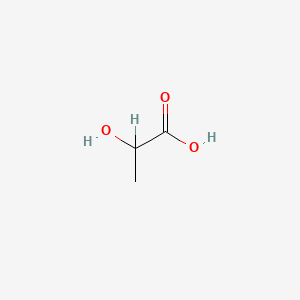
Identifiers
FormulaC3H6O3·CAS50-21-5·EC200-018-0·HS2918.11
Functions
SKIN Conditioning
Hazards


How do consumers feel about products containing Polylactic acid?
Positive
Mixed
Negative
Consumers and brands view Polylactic Acid positively as a versatile, sustainable material for eco-friendly packaging, biodegradable products, and high-quality 3D printing.
Which consumer needs, benefits, and objections are associated with polylactic acid?
Consumers associate polylactic acid with ease of use, good print quality, smooth surface finish, and environmental responsibility, including biodegradability and bio-sourcing. These benefits are cited in 3D printing and sustainable packaging contexts. No explicit consumer objections were captured in the available evidence, which is a material gap. The positive sentiment is based on a small number of sources, so the absence of objections should not be read as proof that none exist. The business implication is that current marketing and user narratives are supportive, but a broader evidence base is needed to understand potential concerns.
What do consumers discuss about Polylactic acid?
Sustainability and Eco-Friendliness
PLA is praised for being bio-sourced, biodegradable, and a renewable alternative to traditional petroleum-based plastics in consumer goods and electronics.
instagram
facebook
youtube
3D Printing Material Quality
Users appreciate PLA for its ease of use, durability, and good mechanical properties in FDM 3D printing, despite some challenges with post-processing finishes.
facebook
tiktok
Medical and Cosmetic Applications
PLA is recognized for its safety and efficacy in medical implants and cosmetic fillers, where it safely degrades in the body while stimulating collagen production.
facebook
How are current products and patent claims responding to consumer concerns about polylactic acid?
Patent claims are responding to perceived limitations in PLA's thermal stability, durability, and end-of-life performance. For example, claims describe blends for home compostable articles, high heat distortion temperature blends, and CO2-based crystallization for thermoresistant cutlery. These are claimed approaches, not evidence of product adoption. The business implication is that R&D is actively targeting performance gaps, but the market response is still emerging. The boundary is that patents indicate direction, not commercial availability or consumer acceptance.
Where is the gap between consumer expectations and the current polylactic acid offering?
The gap lies between consumer expectations of biodegradability and the actual performance of PLA in real-world conditions. While consumers see PLA as biodegradable, many patent claims focus on industrial composting or specific conditions, and some formulations aim for home compostability. This suggests a potential mismatch between the 'biodegradable' label and the required disposal infrastructure. The business implication is that clear communication about end-of-life conditions is critical to avoid consumer disappointment. The boundary is that the evidence does not quantify the size of this gap.
Which formulation approaches are being used to address those concerns around polylactic acid?
Formulation approaches focus on blending PLA with other biodegradable polymers like PBAT, PBS, and PHA to improve toughness and processability. Other strategies include adding nucleating agents, chain extenders, and fillers like talc or bio-based fibers to enhance heat resistance and mechanical strength. Some claims use specific processing methods, such as CO2 soaking to increase crystallinity. These approaches aim to make PLA more competitive with conventional plastics in packaging and durable goods. The implication is that formulation is a key lever to address performance limitations.
What consumer-led opportunity or risk should researchers consider for polylactic acid?
A consumer-led opportunity is the strong positive association of PLA with environmental sustainability and ease of use, which can be leveraged in 3D printing and packaging. However, the risk is that this positive sentiment is based on limited evidence and may not hold if consumers encounter performance issues like low heat resistance or unclear disposal instructions. Researchers should consider that the 'biodegradable' claim is a key driver, and any mismatch between the claim and real-world degradation could lead to consumer backlash. The implication is to focus on robust end-of-life communication and performance validation.