Polylactic Acid Environmental Fate & Ecotoxicity
Identifiers
Functions
Hazards


What is known about the environmental fate of polylactic acid?
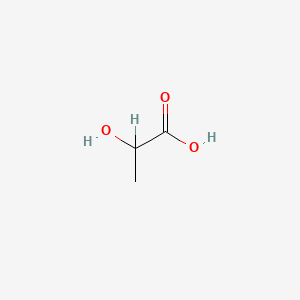
Polylactic acid (PLA) degrades in the environment primarily through chemical hydrolysis of ester linkages, which is accelerated by acids, bases, moisture, and temperature. This process yields low molecular weight oligomers that microorganisms can mineralize into CO2 and H2O. In active compost with high heat and humidity, PLA disintegrates within weeks to months, while general environmental degradation takes six months to two years—far faster than conventional plastics like polystyrene or polyethylene. Volatilization is negligible due to its high molecular weight and low vapor pressure. In the atmosphere, PLA is expected to exist solely in the particulate phase.
What do biodegradation, bioaccumulation, and ecotoxicity findings indicate for polylactic acid?
Biodegradation findings indicate PLA is biodegradable and compostable under industrial conditions, but not in home composting due to insufficient temperatures. Hydrolysis is chemical, not enzymatic, and degradation rate depends on article size, shape, isomer ratio, and temperature. No direct bioaccumulation or ecotoxicity data were supplied, so no conclusions can be drawn about these hazards. The absence of ecotoxicity evidence means PLA's potential toxic effects on aquatic or terrestrial organisms remain uncharacterized, which is a critical gap for environmental risk assessment.
Which environmental exposure pathways or concentrations are reported for polylactic acid?
No specific environmental exposure pathways or measured concentrations for polylactic acid were reported in the supplied evidence. The only exposure-related information is qualitative: PLA enters the environment upon disposal, where it undergoes hydrolysis and subsequent microbial mineralization. Without quantitative data on environmental concentrations, exposure assessment cannot be performed. This gap limits the ability to evaluate potential risks to ecosystems or human health through environmental contact.
How might use context or formulation affect the environmental profile of polylactic acid?
Use context and formulation significantly affect PLA's environmental profile. Degradation rate depends on the article's size and shape, isomer ratio, and temperature. For example, PLA articles certified compostable under industrial conditions will not degrade in home composting piles because temperatures are too low. In high-temperature, high-humidity active compost, disintegration occurs within weeks to months, whereas environmental degradation takes six months to two years. Thus, disposal route and product design—such as thickness and stereochemistry—are critical determinants of environmental persistence and should be considered in product development and end-of-life labeling.
Which evidence gaps must be resolved before making sustainability claims about polylactic acid?
Before making sustainability claims about polylactic acid, several evidence gaps must be resolved. Direct ecotoxicity data for aquatic and terrestrial organisms are absent, so potential toxic effects are unknown. No bioaccumulation data exist, leaving the potential for food-chain transfer unassessed. Environmental exposure concentrations are unreported, preventing quantitative risk characterization. Additionally, while PLA degrades faster than conventional plastics, its degradation is conditional on specific conditions (e.g., industrial composting); claims of general environmental biodegradability would be misleading without specifying these boundaries. These gaps must be filled to support robust sustainability assertions.