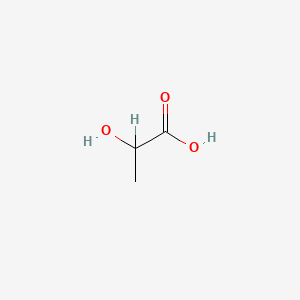
Regulations of Polylactic Acid

POLYLACTIC ACID

Identifiers

FormulaC3H6O3·CAS50-21-5·EC200-018-0·HS2918.11

Functions

Abrasive

Hazards

CorrosiveIrritant

How does the regulatory treatment of polylactic acid differ by market or product category?

Regulatory treatment of polylactic acid varies by market and product category. In the US, it is referenced for therapeutic uses such as delayed-action preparations, artificial membranes, dental implants, and drug delivery systems, specifically for facial lipoatrophy in HIV patients. The EU listing also covers these therapeutic uses. In cosmetics, polylactic acid is an active ingredient in the EU with the function of an abrasive, with no restrictions or concentration limits specified. This indicates that while therapeutic applications are recognized across US and EU, cosmetic use is separately acknowledged in the EU without specific constraints.

Which United States federal regulations apply to Polylactic acid?

8 regulations

EPA TSCA Regulatory Flag

Propanoic acid, 2-hydroxy- is listed on the EPA's Chemical Data Reporting (CDR) system. Manufacturers and importers of Propanoic acid, 2-hydroxy- are required to report information about their production and use of this chemical to the EPA under the Toxic Substances Control Act (TSCA). (40 eCFR Part 711)

FIFRA Requirements

Lactic acid (2-hydroxypropanoic acid) is exempted from the requirement of a tolerance when used as a plant growth regulator in or on all raw agricultural commodities.

FDA Direct Food Additives

Regulatory records

EntryRegulationTypeStatusSource
178.101021 CFR 178.1010Food AdditiveauthorizedView
184.106121 CFR 184.1061Food AdditiveauthorizedView
133.12321 CFR 133.123Labeling StandardsauthorizedView
133.12421 CFR 133.124Labeling StandardsauthorizedView
133.12921 CFR 133.129Labeling StandardsauthorizedView
133.16921 CFR 133.169Labeling StandardsauthorizedView
133.17321 CFR 133.173Labeling StandardsauthorizedView
133.17821 CFR 133.178Labeling StandardsauthorizedView
133.17921 CFR 133.179Labeling StandardsauthorizedView

FDA 21 CFR Indirect Food Additives

Regulatory records

EntryRegulationTypeStatusSource
172.81421 CFR 172.814Food AdditiveauthorizedView

FDA GRAS Notices

Corrosive to skin; [Quick CPC] A skin and respiratory tract irritant; Corrosive to eyes; [ICSC] Causes burns to skin and eyes; Vapors cause eye and mucous membrane irritation and can cause coughing and difficulty breathing; [CHRIS] Safe when used as a flavoring agent in food; [JECFA] Corrosive to rabbit skin, mildly irritating to guinea pig skin, and not irritating to pig skin; Not sensitizing in a study of guinea pigs; A 13-week oral study of rats produced a NOAEL of 500 mg/kg/day (highest tested dose); Studies on reproductive and developmental toxicity not considered necessary because lactic acid is a product of human intermediary metabolism; [EPA ChAMP] A skin and strong eye irritant; [Aldrich MSDS]

FDA Food Contact Notifications

Food contact notifications

NotificationManufacturer / supplierIntended useLimitationsEffectiveStatus
1995
VValley Chemical Solutions
As an antimicrobial agent in process water, brine, or ice in the processing of meat and poultry.Components of the FCS mixture will not exceed: 1000 parts per million (ppm) PLA, 2480 ppm HP, 5.7 ppm HEDP, and 1.64 ppm DPA in process water or ice that contacts meat or poultry carcasses, parts, trim, and organs. 268 ppm PLA, 665 ppm HP, 1.53 ppm HEDP, and 0.44 ppm DPA in process water, ice, or brine that contacts processed and pre-formed meat and poultry.30 Oct 2019active
2242
EEvonik Active Oxygens, LLC
As an antimicrobial agent used in process water, ice, or brine used in the production, processing, and preparation of poultry, meat, processed and pre-formed meat and poultry, fruits, vegetables, fish, and seafood.The components of the FCS will not exceed: 2000 ppm PCA, 2480 ppm HP, and 136 ppm HEDP in process water, ice, or brine applied as a wash, spray, dip, rinse, chiller water, low-temperature (less than 40°F) immersion bath, or scald water for whole or cut poultry, including carcasses, parts, trim, and organs. 495 ppm PCA, 1180 ppm HP, and 29 ppm HEDP in process water, ice, or brine for washing, rinsing, or cooling processed and pre-formed poultry. 2000 ppm PCA, 2480 ppm HP, and 121.5 ppm HEDP in process water, ice, or brine applied as a wash, spray, dip, rinse, chiller water, low-temperature (less than 40°F) immersion bath, or scald water for whole or cut meat, including carcasses, parts, trim, and organs. 495 ppm PCA, 1180 ppm HP, and 33.5 ppm HEDP in process water, ice, or brine for washing, rinsing, or cooling processed and pre-formed meat. 600 ppm PCA, 1112 ppm HP, and 34 ppm HEDP in process water or ice used for washing, rinsing, chilling, or processing fruits and vegetables in food processing facilities. 230 ppm PCA, 280 ppm HP, and 15 ppm HEDP in process water, ice, or brine used during commercial preparation of fish and seafood in food processing facilities.28 Sept 2022active

FDA Technical Effects

Regulatory records

RegulationStatus
FDA Technical Effect: ANTIMICROBIAL AGENTauthorized
FDA Technical Effect: CURING OR PICKLING AGENTauthorized
FDA Technical Effect: FLAVOR ENHANCERauthorized
FDA Technical Effect: FLAVORING AGENT OR ADJUVANTauthorized
FDA Technical Effect: PH CONTROL AGENTauthorized
FDA Technical Effect: SOLVENT OR VEHICLEauthorized

DEA Listed Chemicals

SRP: Expired or waste pharmaceuticals shall carefully take into consideration applicable DEA, EPA, and FDA regulations. It is not appropriate to dispose by flushing the pharmaceutical down the toilet or discarding to trash. If possible return the pharmaceutical to the manufacturer for proper disposal being careful to properly label and securely package the material. Alternatively, the waste pharmaceutical shall be labeled, securely packaged and transported by a state licensed medical waste contractor to dispose by burial in a licensed hazardous or toxic waste landfill or incinerator.

What EU regulatory requirements apply to Polylactic acid?

3 regulations

REACH Registered Substance

Status: Active Update: 04-01-2023 https://echa.europa.eu/registration-dossier/-/registered-dossier/5165

EFSA Legal Basis

Regulation (EC) No 178/2002 (amended)

Status Regulation (EC)

2004/129/EC

What regulations apply to Polylactic acid in Canada?

1 regulation

DSL / NDSL

Published
04 May 1994
Effective
04 May 1994

Regulatory records

EntryRegulationTypeStatus
50-21-5SOR/94-311DSLauthorized

Conditions

This substance is on the Domestic Substances List (DSL). This substance was added to the DSL as an “Existing Substance” given that it meets the criteria set out in CEPA for substances that were in commerce in Canada between 1984 and 1986.

Record details

SOR/94-311

professional use only
No

What regulations apply to Polylactic acid in Australia?

1 regulation

The Australian Inventory of Industrial Chemicals

Chemical: Propanoic acid, 2-hydroxy-

What regulations apply to Polylactic acid in New Zealand?

1 regulation

New Zealand EPA Inventory of Chemical Status

Lactic acid: Does not have an individual approval but may be used under an appropriate group standard

Which conditions, limits, and use contexts most affect a compliance assessment for polylactic acid?

For polylactic acid, the most relevant conditions and limits depend on the product category. In therapeutic contexts, the evidence highlights its use in delayed-action preparations, membranes, dental implants, and drug delivery systems, with a specific indication for facial lipoatrophy in HIV patients. Notably, an example notes that injectable poly-L-lactic acid is not FDA-approved for hand use, indicating off-label use is a consideration. In cosmetics, the EU lists polylactic acid as an abrasive with no restrictions, conditions, or maximum concentration limits. Thus, compliance hinges on intended use and whether the application falls within approved therapeutic indications or cosmetic functions.

What should be in place before a product containing polylactic acid is assessed for launch?

Before launching a product containing polylactic acid, the following should be in place: confirmation of the intended product category and its corresponding regulatory framework. For therapeutic uses, evidence of approval or clearance for the specific indication is necessary, as the FDA has not approved all uses (e.g., hand injections). For cosmetic products in the EU, the ingredient is listed as active with an abrasive function, but no restrictions or conditions are specified, so a basic compliance check should verify that the product's use aligns with this function. Documentation should include the ingredient's CAS number (9051-89-2) and its regulatory status in the target market.

Where does the available regulatory position stop short of supporting a decision on polylactic acid?

The available regulatory position is insufficient to support a full decision on polylactic acid because it lacks specific details on food additive approvals, drug listings, GHS classification, and exposure limits. The evidence only covers therapeutic uses and cosmetic listing, with no information on permissible concentrations, safety assessments, or labeling requirements. Additionally, the therapeutic use information is largely descriptive and does not clarify approval status across all jurisdictions. Therefore, a compliance assessment cannot be completed without additional regulatory data specific to the intended product category and market.

Which recent regulatory changes or effective dates are material for polylactic acid?

No recent regulatory changes or effective dates for polylactic acid were identified in the evidence. The available information does not indicate any updates to its regulatory status, restrictions, or conditions. This absence of change information suggests that the regulatory landscape for polylactic acid may be stable, but it also means that any assessment must rely on current listings and approvals without knowledge of upcoming modifications. For decision-making, it is prudent to verify the latest regulatory status directly with relevant authorities, as the evidence does not capture recent developments.