Resistant Dextrin Patent Landscape
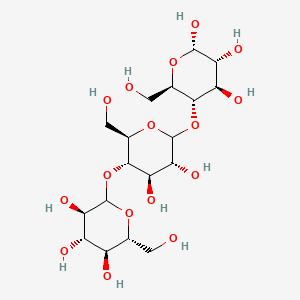
Identifiers
Functions
Which organizations and claims shape current development around resistant dextrin?
Key organizations include academic institutions like Jiangnan University, which claims osteoporosis prevention, and Shandong Academy of Agricultural Sciences, which developed a high-protein nutrition formula. Companies such as Shandong Jiejing Biological Tech, Beijing Technology and Business University, and Nutribase LLC are also active. Claims focus on glycemic index reduction, gut flora regulation, encapsulation efficiency, and bone health improvement. These organizations are driving innovation in both food and cosmetic applications, with a mix of public research and private biotech firms. This suggests a collaborative landscape where academic research informs commercial product development.
How is Resistant dextrin innovation changing in Food & Beverage?
Monthly patent filings by domain
Which technical problems do recent patents address with resistant dextrin?
Recent patents address glycemic control, gut health, and formulation stability. Resistant dextrin is used to lower glycemic index in foods like noodles, rice, and whole-grain products, and to support metabolic regulation in supplements. It also serves as a prebiotic fiber to modulate intestinal flora and enhance probiotic delivery. Additionally, patents tackle formulation challenges by using resistant dextrin as a wall material for encapsulation, improving stability of sensitive ingredients like lanolin and oils. A novel application targets osteoporosis prevention, suggesting a broader role in bone health. These problems reflect a focus on chronic disease management and functional ingredient protection.
How do recent patents change the role or application of resistant dextrin?
Recent patents expand resistant dextrin's role from a simple prebiotic fiber to a multifunctional ingredient. It now acts as a primary matrix in high-protein nutrition formulas, a wall material for microencapsulation in cosmetics, and a carrier for probiotics and bioactive compounds. This shift indicates a move beyond dietary fiber supplementation toward structural and delivery functions. For example, it is used to encapsulate lanolin in cleansers and to form porous carriers for metabolic regulators in compressed candies. These changes suggest opportunities for formulators to leverage its physicochemical properties for enhanced product performance and stability.
How is Resistant dextrin used in Food & Beverage patents?
Which Food & Beverage product categories feature Resistant dextrin in recent patents?
Which product categories and formulation strategies emerge in recent work on resistant dextrin?
Emerging product categories include low-glycemic staple foods (noodles, rice, whole-grain items), meal replacements, complete nutrition powders, solid beverages, compressed candies, and even cosmetic cleansers. Formulation strategies emphasize high concentrations (up to 74%) as a base matrix, use as a prebiotic carrier in multi-layer encapsulation, and combination with other fibers like inulin and konjac for synergistic effects. Patents also show integration with probiotics and metabolic regulators to target fat reduction and blood sugar control. These strategies indicate a trend toward multifunctional, health-oriented products that leverage resistant dextrin's fiber and carrier properties.
Where is the evidence-backed white space for further development of resistant dextrin?
Evidence-backed white space exists in non-food applications, particularly cosmetics, where resistant dextrin is used as a wall material for encapsulation. This suggests potential for other personal care or pharmaceutical delivery systems. Additionally, the osteoporosis application opens a new therapeutic avenue, but further research is needed to validate efficacy. There is also room for developing standardized formulations that combine resistant dextrin with other prebiotics and probiotics for targeted gut health, as seen in some patents. These areas are supported by recent claims but not yet widely adopted, indicating opportunities for differentiation.