Resistant Dextrin Suppliers & Manufacturers
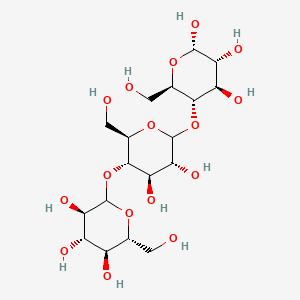
Identifiers
Functions
What does available trade activity indicate for Resistant dextrin?
Resistant dextrin is classified under HS Code 3505.10. This falls under Chapter 35: Albuminoidal substances; modified starches; glues; enzymes, specifically Heading 3505 (Dextrins and other modified starches (e.g. pregelatinised or esterified starches); glues based on starches or on dextrins or other modified starches), under subheading: Dextrins and other modified starches.
* The data below is specific to the HS code, not the ingredient.
Suppliers
547
Across 54 countries
Shipments
19,756
from 2015 to 2026
Total weight
660M kg
55,997 TEU · standard 20-foot container units
Last shipment
8 months ago
Last updated at Feb 25, 2026
Growth
↑ 48%
Trade under 3505.10 has increased by 48% over the past 6 months
What does trade activity suggest about the resistant dextrin supply chain?
Trade activity under HS 3505.10 indicates a large, active supply chain for dextrins and modified starches, with 547 suppliers, nearly 20,000 shipments, and roughly 660,000 metric tons moved over the observed period. The top shippers are major global starch processors—Ingredion, Avebe, Emsland, Roquette, and Beneo—suggesting a mature industrial network. However, this HS code also covers adhesive and non-food starches, so the data cannot confirm that any specific shipment is resistant dextrin. The presence of logistics providers and traders further blurs direct manufacturer identification. For sourcing decisions, treat this as evidence of starch-derivative capacity, not proof of resistant dextrin availability.
What does the HS or HTS classification include, and where are its limits for resistant dextrin?
HS 3505.10 covers 'Dextrins and other modified starches,' a broad category that includes pregelatinized or esterified starches and starch-based glues. This classification is not limited to food-grade resistant dextrin; it also captures industrial starches used as adhesives. Consequently, shipment data under this code cannot be used to isolate resistant dextrin volumes or to verify that a supplier actually produces this specific ingredient. The classification scope is a useful starting point for identifying potential suppliers, but it requires product-level verification—such as technical datasheets or certifications—to confirm that a supplier offers resistant dextrin suitable for food applications.
Which suppliers are associated with Resistant dextrin trade?
| Supplier | Shipments | Top customer | Growth | Last shipment | |
|---|---|---|---|---|---|
No suppliers found. | |||||
How concentrated or diversified does the supplier landscape appear for resistant dextrin?
The supplier landscape appears moderately concentrated, with a few large global starch processors—Ingredion, Avebe, Emsland, Roquette, and Beneo—dominating shipment volumes. These companies are well-known in the starch industry and likely have the capability to produce resistant dextrin, but the data does not confirm they do. Below this tier, there are many smaller suppliers and traders, including regional players in Thailand, China, and Europe, indicating a diversified base. However, the presence of logistics providers and traders means some entries are not manufacturers. For resistant dextrin, the market may be more concentrated among a few specialized producers, but this cannot be determined from the current data.
Which supply risks or dependencies around resistant dextrin require further diligence?
Key supply risks include the inability to confirm that any supplier under HS 3505.10 actually produces resistant dextrin, as the code covers a broad range of starches and adhesives. This creates a risk of misidentifying a supplier as a resistant dextrin source when they may only offer other modified starches. Additionally, the presence of traders and logistics providers in the data means that some shipments are not from manufacturers, complicating direct sourcing. Further diligence should include product-specific documentation, such as technical data sheets, food-grade certifications, and direct supplier confirmation, to verify resistant dextrin production. Geographic concentration in a few countries also suggests potential supply chain vulnerability to regional disruptions.
Which sourcing geographies and trade lanes appear most relevant to resistant dextrin?
The most relevant sourcing geographies are Thailand, Germany, the Netherlands, China, and Belgium, which together account for the majority of shipments and weight under HS 3505.10. Thailand leads in shipment count and weight, reflecting its strong tapioca starch industry, while European countries (Germany, Netherlands, Belgium) host major starch processors like Avebe, Emsland, and Roquette. China also shows significant supplier presence. These lanes suggest a global supply network with both Asian and European hubs. However, because the HS code is broad, these geographies represent starch-derivative trade overall, not resistant dextrin specifically. For resistant dextrin sourcing, further verification is needed to confirm which suppliers in these regions actually produce the ingredient.
Which countries drive Resistant dextrin trade activity?
By shipment count
Thailand
5,179 shipments
52 suppliers
149.7M kg total weight
Germany
2,960 shipments
56 suppliers
95.8M kg total weight
Netherlands
2,623 shipments
25 suppliers
80.6M kg total weight
China
2,207 shipments
70 suppliers
74.7M kg total weight
Belgium
1,531 shipments
22 suppliers
59.9M kg total weight
Brazil
1,260 shipments
48 suppliers
29.9M kg total weight
Australia
820 shipments
7 suppliers
76M kg total weight
Netherlands Antilles
603 shipments
10 suppliers
17.8M kg total weight
Mexico
401 shipments
24 suppliers
10.2M kg total weight
South Korea
375 shipments
23 suppliers
3.4M kg total weight