Resistant Dextrin Toxicity
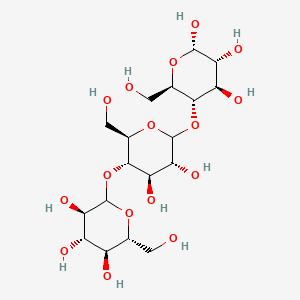
Identifiers
Functions
What are the material safety considerations for resistant dextrin?
Resistant dextrin is considered safe in present practices of use and concentration, based on a Cosmetic Ingredient Review finding in rats. No GHS hazard classifications, exposure limits, or handling warnings were identified in the available evidence. This supports its use in formulations without acute toxicity flags, but the absence of classification data means standard precautionary handling is still prudent. The safety conclusion is specific to the evaluated use context and does not address all potential exposure scenarios.
How should hazard classifications and toxicology findings for resistant dextrin be interpreted together?
The available toxicology finding—a CIR determination of safety in present practices—should be interpreted as a use-specific safety conclusion, not a blanket approval for all applications. The absence of GHS classifications does not imply zero hazard; it reflects missing standardized hazard data. Together, these indicate that resistant dextrin has a favorable safety profile in the reviewed context, but formulators should rely on the CIR scope and not extrapolate to unstudied routes or higher concentrations. Regulatory status in cosmetics is active with no restrictions, reinforcing its acceptability.
Which exposure routes, dose contexts, or effects are material for resistant dextrin?
The material exposure context is cosmetic use, where resistant dextrin functions as an absorbent, binding, bulking, and viscosity-controlling agent. The only toxicology evidence is from a rat study supporting safety in present practices, but no specific route, dose, or effect data were provided. This means the exposure profile is not fully characterized for dermal, inhalation, or oral routes. For formulation decisions, the lack of route-specific data suggests conservative handling until more detailed exposure information is available.
Which handling and risk-management measures are relevant for resistant dextrin?
Given the absence of GHS classifications, exposure limits, and handling warnings, no specific risk-management measures are mandated by the available evidence. However, standard industrial hygiene practices—such as minimizing dust generation and using personal protective equipment—are advisable when handling any powdered ingredient. The active cosmetic status without restrictions suggests low regulatory risk, but the lack of handling data means formulators should implement general precautions until more specific guidance is available. This is a precautionary approach, not a response to identified hazards.
Which safety evidence gaps should be resolved before making decisions about resistant dextrin?
Before making final decisions, the key evidence gap is the absence of GHS hazard classifications, exposure limits, and handling data for resistant dextrin. While the CIR finding supports safety in current cosmetic use, it does not provide route-specific toxicology or dose-response information. Resolving these gaps would clarify whether additional controls are needed for occupational exposure or high-concentration formulations. Until then, decisions should rely on the CIR scope and general precautionary measures.