EPA TSCA Regulatory Flag
FRI - indicates a polymeric substance containing no free-radical initiator in its Inventory name but is considered to cover the designated polymer made with any free-radical initiator regardless of the amount used.
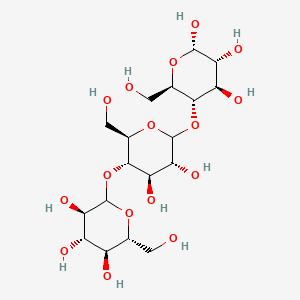
Identifiers
Functions
Regulatory treatment of resistant dextrin varies by market and product category. In the EU, it is listed in the ECHA C&L Inventory with aggregated GHS notifications, indicating hazard communication obligations. In the US, it is recognized as a food additive for uses like stabilizer/thickener and has FDA food additive regulations (21 CFR 172.892 and 184.1277). It is also on the EPA Safer Chemical list and TSCA active with an exemption from CDR reporting. In Australia, it is on the AICIS inventory. In New Zealand, it lacks individual approval but may be used under a group standard. For cosmetics, it is an active ingredient in the EU with functions like absorbent and bulking, without restrictions.
5 regulations
FRI - indicates a polymeric substance containing no free-radical initiator in its Inventory name but is considered to cover the designated polymer made with any free-radical initiator regardless of the amount used.
Regulatory records
| Entry | Regulation | Type | Status | Source |
|---|---|---|---|---|
| 184.1277 | 21 CFR 184.1277 | Food Additive | authorized | View |
Regulatory records
| Entry | Regulation | Type | Status | Source |
|---|---|---|---|---|
| 172.892 | 21 CFR 172.892 | Food Additive | authorized | View |
Glucose polymer with average length of five glucose units for dietary energy supplement. [ChemIDplus] Made by dry heating unmodified starches or made from enzyme or acid-catalyzed hydrolysis of wet starch; Used as an excipient for dry extracts and pills, to make emulsions and dry bandages, for thickening dye pastes and textile-dyeing mordants, sizing paper and fabrics, and printing tapestries; Also used in felt, printer's inks, glues, matches, fireworks, and explosives; [Merck Index] Used as flavoring agent, anticaking agent, drying agent, formulation aid, humectant, lubricant or release agent, nutritive sweetener, solvent, and stabilizer or thickener for foods; [FDA] Permitted for use as an inert ingredient in non-food pesticide products; [EPA]
Regulatory records
| Regulation | Status |
|---|---|
| FDA Technical Effect: ANTICAKING AGENT OR FREE-FLOW AGENT | authorized |
| FDA Technical Effect: DRYING AGENT | authorized |
| FDA Technical Effect: FLAVOR ENHANCER | authorized |
| FDA Technical Effect: FLAVORING AGENT OR ADJUVANT | authorized |
| FDA Technical Effect: FORMULATION AID | authorized |
| FDA Technical Effect: HUMECTANT | authorized |
| FDA Technical Effect: LUBRICANT OR RELEASE AGENT | authorized |
| FDA Technical Effect: NUTRITIVE SWEETENER | authorized |
| FDA Technical Effect: SOLVENT OR VEHICLE | authorized |
| FDA Technical Effect: STABILIZER OR THICKENER | authorized |
1 regulation
Regulatory records
| Entry | Regulation | Type | Status |
|---|---|---|---|
| 9004-53-9 | SOR/94-311 | DSL | authorized |
Conditions
This substance is on the Domestic Substances List (DSL). This substance was added to the DSL as an “Existing Substance” given that it meets the criteria set out in CEPA for substances that were in commerce in Canada between 1984 and 1986.
Record details
1 regulation
Regulatory records
| Entry | Regulation | Type | Status |
|---|---|---|---|
| 2951 | Inventory of Existing Cosmetic Ingredients in China (IECIC) I | List I | authorized |
| 4782 | Inventory of Existing Cosmetic Ingredients in China (IECIC) I | List I | authorized |
Record details
1 regulation
Chemical: Dextrin
1 regulation
Dextrin: Does not have an individual approval but may be used under an appropriate group standard
Key conditions and limits include FDA food additive regulations specifying use as a stabilizer/thickener and other functions, with specific maximum levels for resistant dextrin as a dietary fiber source (1.2 to 15 g per serving depending on product category and form). For cosmetics, no restrictions or maximum concentrations are listed. The TSCA exemption from CDR reporting applies, and the EPA Safer Chemical listing indicates suitability for certain formulations. These limits directly affect formulation and labeling, especially for food products where serving-size-based maximums must be observed.
Before launch, ensure the product meets applicable FDA food additive regulations (e.g., 21 CFR 172.892 and 184.1277) and that resistant dextrin levels comply with the intended-use maximums (1.2–15 g per serving) for the specific food category. For cosmetics, verify that the ingredient is used within its listed functions (absorbent, binding, bulking, viscosity controlling) and that no restrictions apply. Also confirm TSCA status (active, exempt from CDR reporting) and any EU GHS classification obligations. Documentation should include specifications and evidence of compliance with these conditions.
The available regulatory position does not fully support a decision because it lacks specific maximum use levels for every food category and does not clarify how resistant dextrin is treated under all relevant regulations. For example, while FDA has no questions for certain GRAS notices, the evidence does not confirm whether those notices apply to all product forms or whether they are still active. Additionally, the EU C&L inventory provides hazard information but not use-specific approvals. This uncertainty means a compliance assessment cannot be finalized without additional jurisdiction-specific data.
Recent regulatory changes are not explicitly detailed in the evidence. However, the FDA food additive regulations (21 CFR 172.892 and 184.1277) and JECFA specifications (2018) are current references. The TSCA exemption from CDR reporting and the EPA Safer Chemical listing are also current. No effective dates for changes are provided, so it is unclear if any recent amendments affect resistant dextrin. This lack of change information means that monitoring official sources is necessary to stay current.