“NanoGraf’s design reduces anode swelling by 75%, a major improvement over traditional silicon anodes, leading to longer cycle life and improved structural integrity.”
Silicon Oxide Consumer Sentiment
CtrlK
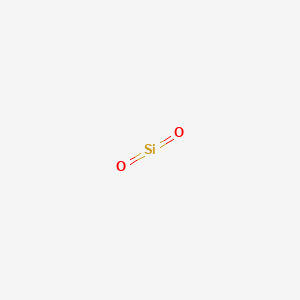
Identifiers
FormulaO2Si·CAS14464-46-1·EC231-545-4
Functions
AbrasiveAbsorbent +4 more
How do consumers feel about products containing Silicon oxide?
Positive
Mixed
Negative
Consumer perception of Silicon Oxide is divided between strong enthusiasm for its role in enabling next-generation EV battery technology and significant health concerns regarding its use as a food additive, while other mentions are purely technical or unrelated.
Which consumer needs, benefits, and objections are associated with silicon oxide?
Consumer needs center on silicon oxide as a technological enabler for better battery performance, specifically higher energy density, improved cycle life, and reduced swelling in next-generation lithium-ion batteries. Sentiment is neutral to positive, with no negative objections detected in the available evidence. The material is also viewed as a standard, safe ingredient in food and supplements, though this perception is not directly tied to specific product claims. The main benefit communicated is its role in advancing electric vehicle battery capabilities, as seen in consumer discussions about upcoming battery configurations.
What do consumers discuss about Silicon oxide?
EV Battery Innovation
Consumers view silicon oxide anodes as a critical breakthrough for solving durability and range issues in electric vehicles.
facebook
tiktok
Health and Gut Safety
Some consumers express fear that ingested silicon dioxide nanoparticles may damage the gut lining and cause inflammation.
instagram
Semiconductor History
Enthusiasts appreciate the historical significance of silicon dioxide in stabilizing electronic components and enabling modern computing.
youtube
How are current products and patent claims responding to consumer concerns about silicon oxide?
Current commercial products show minimal direct response, with only one historical carpet deodorizer from 1992 containing silicon oxide at 1.35% w/w, which does not reflect modern consumer concerns. Patent claims, however, respond to sustainability and performance concerns by using silicon oxide in packaging barriers, battery anodes, and tire fillers. For example, patents propose recycled silicon oxide from solar waste sludge for tires and flexible barrier papers, addressing resource efficiency. These claims indicate a shift toward functional and eco-friendly applications, but they are not evidence of market adoption.
What concerns do consumers raise about Silicon oxide?
Silicon dioxide in nanoparticle form can cause oxidative damage to the gut lining and increase intestinal permeability.
instagram
Where is the gap between consumer expectations and the current silicon oxide offering?
The gap is significant: consumers expect silicon oxide to deliver advanced battery performance and sustainability, but current commercial offerings are limited to a single 1992 carpet deodorizer, with no evidence of modern consumer products. Patent claims show potential in packaging and tires, but these are not yet adopted. This disconnect means consumer expectations are ahead of market availability, particularly in battery technology where silicon oxide is touted as a breakthrough. Researchers should note that the material's benefits are largely aspirational in the current market.
Which formulation approaches are being used to address those concerns around silicon oxide?
Formulation approaches focus on surface engineering and barrier integration. Patents describe silicon oxide particles with reduced methanol content (below 800 ppm) and aluminum doping for stability in organosols, and coatings with magnesium, calcium, or barium to replace alkali metals in sunscreen zinc oxide. In packaging, silicon oxide is applied as thin barrier layers in multilayer films, often combined with polymer buffer layers to improve durability and heat resistance. These approaches aim to enhance safety, stability, and barrier performance, but they are patent claims, not confirmed commercial formulations.
What consumer-led opportunity or risk should researchers consider for silicon oxide?
The opportunity lies in aligning product development with consumer enthusiasm for silicon oxide in high-performance batteries, as evidenced by positive sentiment and specific mentions of its benefits. Researchers could explore applications that leverage its barrier and filler properties in sustainable packaging, which aligns with broader environmental concerns. The risk is that consumer expectations may outpace actual product availability, leading to skepticism if claims are not realized. Additionally, the lack of negative sentiment suggests a clean slate, but also means unknown objections could emerge as products launch.