Silicon Oxide Toxicity
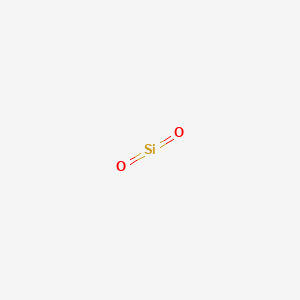
Identifiers
Functions
What are the material safety considerations for silicon oxide?
Silicon oxide presents a dual safety profile: acute irritation hazards and chronic toxicity concerns. GHS classifications consistently indicate skin (H315), eye (H319/H320), and respiratory tract irritation (H335) with Warning signal words. More severe classifications include carcinogenicity (H350, including by inhalation H350I), specific target organ toxicity from repeated exposure (H372/H373), and suspected genetic defects (H341), all with Danger signal words. However, IARC classifies amorphous silica as Group 3, not classifiable as to carcinogenicity to humans. Acute oral toxicity is low (rat LD50 >22,500 mg/kg; mouse >15,000 mg/kg). The Cosmetic Ingredient Review concluded synthetically-manufactured amorphous silica is safe in current cosmetic practices when formulated to be non-irritating.
How should hazard classifications and toxicology findings for silicon oxide be interpreted together?
The hazard classifications and toxicology findings should be interpreted as form-dependent and route-dependent. The GHS carcinogenicity and organ toxicity warnings (H350, H372) contrast with IARC's Group 3 classification for amorphous silica, indicating the cancer hazard is not established for all forms. The chronic inhalation reference concentration of 0.003 mg/m³ (CALEPA) signals respiratory toxicity as the critical endpoint, while high oral LD50 values indicate low systemic toxicity via ingestion. The Cosmetic Ingredient Review's conclusion that amorphous silica is safe when formulated to be non-irritating provides a practical safety boundary for consumer applications. For occupational settings, the carcinogen category 1 designation and 0.1 mg/m³ respirable fraction OEL indicate stricter controls are warranted.
Which exposure routes, dose contexts, or effects are material for silicon oxide?
Inhalation is the primary exposure route of concern, with short-term effects including cough and respiratory irritation, and long-term effects potentially involving the lungs (silicosis), autoimmune diseases, and kidneys. Skin and eye contact cause mechanical irritation, redness, and pain. Ingestion produces no acute symptoms expected. The chronic inhalation reference concentration is 0.003 mg/m³, and occupational limits include a respirable fraction OEL of 0.1 mg/m³, NIOSH REL of 6 mg/m³ (10-hr TWA), and IDLH of 3000 mg/m³. OSHA's PEL for amorphous silica is formula-based, reducing allowable dust as silica percentage rises. Acute oral toxicity is low (rat LD50 >22,500 mg/kg), but intravenous exposure in rats showed LD50 of 500 mg/kg for quartz particles.
Which handling and risk-management measures are relevant for silicon oxide?
Risk management should prioritize inhalation control and irritation prevention. Storage guidance recommends avoiding dusty atmospheres, and for carcinogen-classified materials, storage near use areas with inventory controls and appropriate labeling. First aid requires immediate eye irrigation with water and moving exposed persons to fresh air. For occupational settings, the ACGIH excursion limit recommendation allows exceedances of no more than 3 times the TLV-TWA for 30 minutes total per workday, never exceeding 5 times. The OSHA formula-based PEL requires dust measurement and calculation based on amorphous silica percentage. For cosmetic formulations, the CIR conclusion requires products be formulated to be non-irritating, which is a formulation-level control.
Which safety evidence gaps should be resolved before making decisions about silicon oxide?
The most critical evidence gap is the lack of form-specific hazard data. ACGIH withdrew TLVs for amorphous silica forms (diatomaceous earth, fume, fused, precipitated silica, silica gel) in 2006 due to insufficient data on single-substance exposure, noting most exposures involve co-exposure with crystalline silica. This means the carcinogenicity and organ toxicity classifications may not apply uniformly across silicon oxide forms. Additionally, the evidence does not clarify whether the H350I (cancer by inhalation) classification applies to amorphous or crystalline forms specifically. For cosmetic applications, the SCCS opinions on synthetic amorphous silica solubility and nano-form silica surface-modified with alkyl silylates are referenced but their conclusions are not detailed in the available evidence.