“Rich, non-greasy, and powered by Squalane to mimic your skin’s natural barrier.”
Squalane Consumer Sentiment
CtrlK
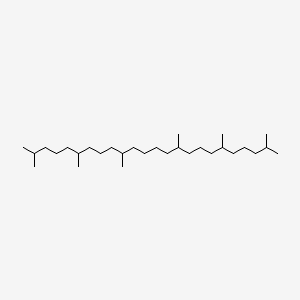
Identifiers
FormulaC30H62·CAS111-01-3·EC203-825-6
Functions
AntistaticSKIN Conditioning - Emollient +2 more
How do consumers feel about products containing Squalane?
Positive
Mixed
Negative
Consumers view squalane as a highly effective, versatile, and safe hydrating ingredient that soothes sensitive skin and supports the moisture barrier without causing irritation or breakouts.
Which consumer needs, benefits, and objections are associated with SQUALANE?
Consumers primarily associate squalane with deep hydration, skin barrier support, and a lightweight, non-greasy texture that mimics the skin's natural oils without clogging pores. It is widely praised for being gentle and suitable for dry, sensitive, and acne-prone skin, and is valued for its versatility across cleansers, serums, moisturizers, and lip balms. Plant-derived sources like sugarcane and olive are noted as appealing for clean beauty. No consumer objections were observed in the evidence, indicating a strongly positive perception, though this may reflect a limited sample.
What do consumers discuss about Squalane?
Hydration and Barrier Support
Squalane is consistently praised for its ability to lock in moisture, mimic natural skin oils, and repair the skin barrier without feeling heavy or greasy.
facebook
lemon8-app
tiktok
Suitability for Sensitive and Acne-Prone Skin
Users highlight that squalane is non-comedogenic, calming, and safe for sensitive, acne-prone, and eczema-prone skin types.
lemon8-app
tiktok
Sustainable and Plant-Based Origin
Consumers appreciate that modern squalane is derived from sustainable sources like sugarcane and olives, offering an ethical alternative to shark-derived squalene.
facebook
lemon8-app
Versatile Application and Texture
Users value squalane's lightweight, fast-absorbing texture that works well as a standalone oil, a serum booster, or mixed into other products without pilling.
lemon8-app
tiktok
Anti-Aging and Plumping Effects
Some users report that squalane helps reduce the appearance of fine lines and wrinkles by keeping the skin plump and hydrated.
lemon8-app
tiktok
How are current products and patent claims responding to consumer concerns about SQUALANE?
Commercial products and patent claims are responding to consumer demand for hydration, barrier support, and non-greasy textures by featuring squalane as a primary emollient in diverse formats, including face creams, lip essences, and water-in-oil emulsions. Patent applications also address the desire for plant-derived, low-irritation ingredients by claiming high-purity plant squalane compositions and complexes with soothing botanical extracts. Additionally, claims for squalane as an anti-dusting agent in hair bleach powders show innovation in improving user experience, though this is a claimed approach, not evidence of market adoption.
Where is the gap between consumer expectations and the current SQUALANE offering?
The primary gap lies in the disconnect between consumer expectations for plant-derived, sustainable squalane and the broader market context. While consumers highlight sugarcane and olive sources, the commercial product data shows squalane in a wide range of products, including color cosmetics and hair care, without clear evidence of source or sustainability claims. Furthermore, the absence of any consumer objections in the evidence suggests a potential gap in understanding potential concerns, such as sourcing ethics, purity, or efficacy in specific applications, which are not currently addressed in the available consumer discourse.
Which formulation approaches are being used to address those concerns around SQUALANE?
Formulation approaches are leveraging squalane's emollient properties to create stable, lightweight, and barrier-friendly products. Patents claim its use in water-in-oil emulsions with specific silicone elastomers for a non-greasy feel, and in anhydrous lip care compositions with dimer acid polyesters and plant butters for a pasty, wax-free texture. Other approaches include encapsulating squalane in liposomes with lecithin and cholesterol to promote liquid crystal structures, and combining it with botanical extracts for moisturizing and anti-inflammatory benefits. These strategies aim to deliver hydration while maintaining a desirable sensory profile.
What consumer-led opportunity or risk should researchers consider for SQUALANE?
A clear opportunity exists for researchers to explore and validate the sustainability and sourcing story of squalane, as consumers already positively associate it with plant-derived origins like sugarcane and olive. This could be a key differentiator in a market where squalane is widely used across mass and prestige brands. However, a risk is the potential for consumer skepticism if claims about plant sources or sustainability are not substantiated, especially given the lack of explicit consumer objections in the current evidence, which may indicate an unmet need for more transparent communication about ingredient provenance and processing.