Products & Brands Using Squalane
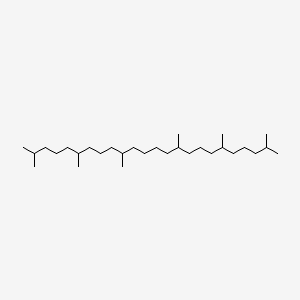
Identifiers
Functions
How broadly is Squalane used across tracked brands and products?
Brands
291
Across 45 product types
Products
2,687
Includes function: Biocide
Product Types
45
Distinct formulation categories
Functions
4
Known functional-use labels
What does product breadth indicate about the commercial maturity of SQUALANE?
Squalane is a mature ingredient, evidenced by its presence in over 2,600 products across 291 brands and a product history spanning from 1993 to 2019. The wide category distribution and high co-ingredient counts indicate established formulation practices. Patent activity continues, with recent filings for lip care, hair bleaching, and liquid crystal structures, showing ongoing innovation in specific applications. This maturity suggests that while basic emollient use is saturated, opportunities remain in specialized formats and functional claims.
How is SQUALANE positioned across the market?
Squalane is positioned as a versatile, mainstream ingredient across mass-market and prestige brands, with 2,687 products from 291 brands. It appears in products from Revlon, Urban Decay, Neutrogena, La Mer, and The Ordinary, indicating broad price-tier adoption. Patent filings highlight plant-derived squalane and specific functional claims like barrier repair and scalp protection, suggesting differentiation is increasingly based on sourcing and targeted benefits rather than basic emolliency. This positions squalane as a standard ingredient with room for premium positioning through sustainability or biomimetic claims.
Top companies using Squalane in their products
Ranked by number of tracked products that list squalane, out of 2,687 total.
Where is Squalane covered by tracked regulatory lists?
Jurisdictions
Markets where this ingredient appears on tracked ingredient regulation lists.
EU
2020 tracked lists
US Federal
33 tracked lists
Other
11 tracked list
Regulatory Bodies
Authorities cited most often across the tracked ingredient lists.
Danish Environmental Protection Agency
USEPA
EPA
DrugBank
Which product categories, formats, and functions use SQUALANE?
Squalane is used across a broad range of personal care categories, with the largest product counts in face creams/moisturizers (479), hand/body lotions (419), foundations/concealers (410), and lip colors (302). It also appears in eye creams, lip balms, face masks, hair conditioners, and baby products, among others. Its functions are listed as biocide, elasticizer, humectant, and softener/conditioner, indicating a versatile emollient role. This breadth suggests formulators rely on squalane as a base ingredient in both skincare and color cosmetics, supporting its use in products that combine hydration with makeup or sun protection.
Which product categories contain Squalane?
Tracked product categories ranked by distinct products containing this ingredient.
Which formulation and co-ingredient patterns recur around SQUALANE?
Recurring co-ingredients include glycerol, phenoxyethanol, titanium dioxide, tocopheryl acetate, dimethicone, silica, and various emollients and thickeners. This pattern indicates squalane is typically formulated in emulsion systems with humectants, preservatives, and film-forming agents. Patent evidence shows specific combinations: with silicone elastomers and oxyalkylenated silicones in water-in-oil emulsions, with plant oils and butters in lip care, and with lecithin and cholesterol in liposome structures. These combinations suggest squalane functions as a primary emollient that pairs well with both traditional and advanced delivery systems.
Which product spaces around SQUALANE appear crowded or differentiated?
Crowded spaces include face creams, lotions, and foundations, where squalane is a common emollient. Differentiated spaces include lip care, where patents show high-concentration squalane (18-24%) in lip essence oils, and hair care, with patents for scalp repair and anti-dusting bleach powders. Patent evidence also highlights plant-derived squalane compositions and liquid crystal structures as emerging differentiation areas. These niches offer opportunities for formulators to leverage squalane's emollient properties in less saturated product types or with specific functional claims.