Squalane Patent Landscape
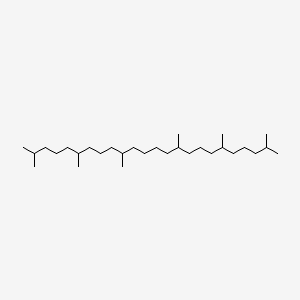
Identifiers
Functions
Which organizations and claims shape current development around SQUALANE?
L'Oreal and LG H&H are prominent, with L'Oreal claiming squalane in water-in-oil and oil-in-water emulsions for barrier repair, and LG H&H claiming it in skin barrier compositions with specific lipid ratios. Other organizations include LVMH Recherche for glycerol-in-oil lipsticks, Wella for oxidative hair treatments, and Chinese firms like Wuhan Mingmingde and Shenzhen Rongda for plant-derived squalane and liposome technologies. Claims emphasize squalane's role in emulsion stability, barrier improvement, and as a high-purity plant-based ingredient.
How is Squalane innovation changing in Cosmetics?
Monthly patent filings by domain
Which technical problems do recent patents address with SQUALANE?
Recent patents address formulation stability and sensory performance in emulsions, skin barrier repair, and oxidative hair treatment stability. Squalane is used as a saturated isoprenoid hydrocarbon in water-in-oil emulsions to improve texture and stability, and as a nonpolar oil in oil-in-water systems to balance polar oils for barrier repair. In hair dye, it is claimed to improve hair quality or stability during oxidative processing. These approaches target technical challenges in emulsion architecture, lipid packing, and oxidative degradation, rather than basic moisturization.
How do recent patents change the role or application of SQUALANE?
Squalane's role is expanding from a simple emollient to a functional structural component. It is now claimed as a key part of biomimetic skin barrier systems, where it is combined with ceramides and cholesterol to improve intercellular lipid packing. It also serves as a primary solvent in plant-derived squalane compositions and as a liposome-forming agent to promote liquid crystal structures. In hair care, it is positioned as a saturated acyclic terpane for oxidative treatment stability, indicating a shift toward multifunctional uses beyond basic moisturizing.
How is Squalane used in Cosmetics patents?
Which Cosmetics product categories feature Squalane in recent patents?
Which product categories and formulation strategies emerge in recent work on SQUALANE?
Emerging product categories include lip care, skin barrier repair creams, hair dye, and leave-on color cosmetics. Formulation strategies focus on biomimetic lipid mixtures, liquid crystal promotion via liposomes, and specific oil-phase engineering. For example, squalane is used in lip essence oils at 18-24% with natural oils, in barrier compositions with ceramides and triglycerides, and in glycerol-in-oil lipsticks with polyglyceryl emulsifiers. These strategies aim to enhance sensory feel, barrier function, and stability in complex emulsion systems.
Where is the evidence-backed white space for further development of SQUALANE?
Evidence suggests white space in combining squalane with advanced delivery systems, such as liposomes for liquid crystal structures, and in specialized hair care applications beyond oxidative treatments. The patents show squalane's versatility in barrier repair and emulsion architecture, but there is limited evidence for its use in leave-on scalp care or in combination with active ingredients for targeted delivery. Additionally, plant-derived squalane compositions with controlled cyclosqualane content may offer differentiation in natural positioning, though regulatory and sourcing aspects are not addressed.