Squalane Suppliers & Manufacturers
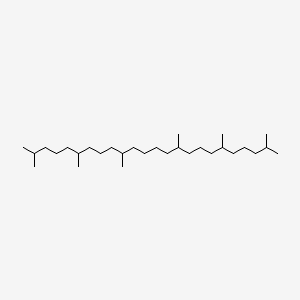
Identifiers
Functions
What does available trade activity indicate for Squalane?
Squalane is classified under HS Code 2901.10. This falls under Chapter 29: Organic chemicals, specifically Heading 2901 (Acyclic hydrocarbons), under subheading: Acyclic hydrocarbons; saturated.
* The data below is specific to the HS code, not the ingredient.
Suppliers
691
Across 65 countries
Shipments
4,712
from 2015 to 2026
Total weight
4.6B kg
8,481 TEU · standard 20-foot container units
Last shipment
8 months ago
Last updated at Feb 25, 2026
Growth
↑ 40%
Trade under 2901.10 has increased by 40% over the past 6 months
What does trade activity suggest about the SQUALANE supply chain?
Trade activity under HS 2901.10 shows a large, active supply chain with 691 suppliers and 4,712 shipments, but it is not ingredient-specific to squalane. The presence of major petrochemical firms (e.g., Hanwha Total Petrochemical, Evonik Oxeno) and specialty chemical suppliers (e.g., Biosynthis, Amyris entities) suggests a mix of base hydrocarbon and potential cosmetic-grade material flows. Recent shipment activity from Biosynthis to L'Oreal USA and from Amyris entities indicates possible downstream cosmetic supply chain relevance. However, because the classification includes other saturated acyclic hydrocarbons, the volume and growth signals cannot be attributed solely to squalane.
What does the HS or HTS classification include, and where are its limits for SQUALANE?
HS code 2901.10 covers saturated acyclic hydrocarbons, a broad category that includes squalane but also other alkanes and feedstocks like ethylene or propylene. This means the 691 suppliers and 4,712 shipments under this code represent a wide range of chemical trade, not just squalane. The classification does not distinguish between cosmetic-grade, bio-based, or petrochemical-derived material. Therefore, while the data provides useful supply-chain context for saturated hydrocarbons, it cannot be used to quantify squalane-specific volumes or supplier activity. Any conclusions about squalane sourcing must be validated with ingredient-specific documentation.
Which suppliers are associated with Squalane trade?
| Supplier | Shipments | Top customer | Growth | Last shipment | |
|---|---|---|---|---|---|
No suppliers found. | |||||
How concentrated or diversified does the supplier landscape appear for SQUALANE?
The supplier landscape appears highly diversified, with 691 suppliers across 65 countries, but the top countries—Korea, Germany, and China—account for a large share of shipments, indicating some geographic concentration. Within the selected suppliers, a mix of petrochemical giants (e.g., Hanwha Total Petrochemical, Evonik Oxeno) and specialty chemical firms (e.g., Biosynthis, Amyris) suggests a fragmented market with both large-scale and niche players. However, because the data covers all saturated acyclic hydrocarbons, the true squalane-specific supplier base may be much smaller and more specialized than the overall numbers suggest.
Which supply risks or dependencies around SQUALANE require further diligence?
Key supply risks include over-reliance on petrochemical-derived material, as major suppliers like Hanwha Total Petrochemical and Evonik Oxeno are likely producing base hydrocarbons rather than cosmetic-grade squalane. The presence of multiple Amyris entities in Brazil, known for bio-squalane, suggests a potential dependency on fermentation-based production, which may have capacity or financial stability risks. Additionally, the broad HS classification means that supply chain disruptions in other saturated hydrocarbons could be misinterpreted as squalane-related. Further diligence should verify ingredient-specific manufacturing capabilities, bio-based vs. petrochemical sourcing, and supplier financial health.
Which sourcing geographies and trade lanes appear most relevant to SQUALANE?
South Korea, Germany, and China dominate shipment counts, with Korea accounting for 1,598 shipments and Germany 832, suggesting major trade lanes from these countries. Brazil appears relevant due to Amyris entities, which are known for bio-squalane production, though the data does not confirm squalane-specific shipments. France shows notable activity with Biosynthis shipping to L'Oreal USA, indicating a potential cosmetic-grade lane. Other significant sources include India, Japan, and Mexico. The presence of petrochemical hubs like Korea and Germany suggests these lanes may carry broader hydrocarbon products rather than squalane alone.
Which countries drive Squalane trade activity?
By shipment count
South Korea
1,598 shipments
69 suppliers
66.5M kg total weight
Germany
832 shipments
35 suppliers
10.4M kg total weight
China
617 shipments
141 suppliers
7.2M kg total weight
India
276 shipments
86 suppliers
4.1M kg total weight
Japan
178 shipments
16 suppliers
3.4M kg total weight
Mexico
138 shipments
29 suppliers
4.9M kg total weight
Brazil
107 shipments
18 suppliers
2.4M kg total weight
France
104 shipments
9 suppliers
887.6K kg total weight
Portugal
92 shipments
26 suppliers
1.1M kg total weight
United Kingdom
84 shipments
18 suppliers
3.6M kg total weight