Azelaic Acid Toxicity
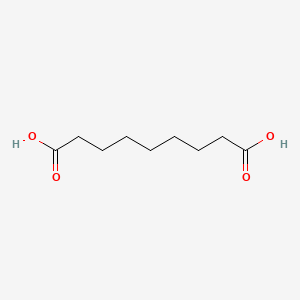
Identifiers
Functions
Hazards

What are the material safety considerations for azelaic acid?
Azelaic acid presents low acute oral toxicity but is a confirmed skin and eye irritant. Rat oral LD50 values exceed 5 g/kg, and single oral doses up to 4 g/kg caused no toxicity in rats and rabbits. GHS classifications include H315 (skin irritation) and H319 (serious eye irritation), both with Warning signal words. A Cosmetic Ingredient Review finding states it is safe in present practices of use and concentration. The material safety profile is favorable for systemic toxicity but requires irritation controls in formulation and handling.
How should hazard classifications and toxicology findings for azelaic acid be interpreted together?
The GHS irritation classifications and acute toxicity data together indicate that azelaic acid's primary hazard is local irritation rather than systemic toxicity. The H315 and H319 warnings align with observed effects: 500 mg caused mild skin irritation in rabbits and 3 mg caused mild eye irritation. The high oral LD50 (>5 g/kg) and absence of toxicity at 4 g/kg support low systemic hazard. These findings suggest irritation risk should be managed through concentration limits and formulation design, while systemic exposure concerns are minimal.
Which exposure routes, dose contexts, or effects are material for azelaic acid?
Dermal and ocular exposure are the most material routes, given the irritation classifications and topical use context. Approximately 4% of topically applied azelaic acid is systemically absorbed, indicating meaningful but limited systemic exposure. Oral exposure is relevant for accidental ingestion scenarios, with low acute toxicity demonstrated at doses above 5 g/kg in rats. Inhalation of dust is a potential occupational concern, as handling guidance advises against breathing dust. The material effects are skin and eye irritation at the application site, with no systemic toxicity observed in acute oral studies.
Which handling and risk-management measures are relevant for azelaic acid?
Handling controls should focus on preventing skin and eye contact, avoiding dust inhalation, and managing incompatibilities. Storage guidance specifies keeping containers tightly closed in a cool, well-ventilated area, protected from light, and away from heat, ignition sources, and oxidizing agents. Ground all equipment containing the material. Do not ingest; if ingested, seek medical advice immediately and show the container or label. For formulation, the CIR safe-use finding supports current practices, but irritation potential warrants concentration optimization and possibly skin compatibility testing.
Which safety evidence gaps should be resolved before making decisions about azelaic acid?
Key evidence gaps include the absence of occupational exposure limits, chronic toxicity data, and repeated-dose studies. No inhalation toxicity data were provided, which is relevant given dust exposure warnings. The CIR safety finding references use and concentration information not detailed in the supplied evidence, so specific safe concentration thresholds remain unspecified. Additionally, no reproductive or developmental toxicity data were available. These gaps should be addressed before finalizing high-exposure occupational settings or novel formulation concentrations beyond established practices.