“10% Azelaic acid visibly fades post-acne...”
Azelaic Acid Consumer Sentiment
CtrlK
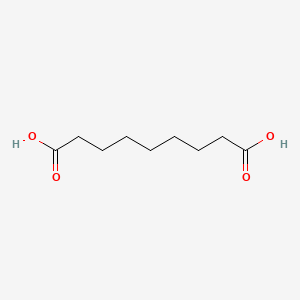
Identifiers
FormulaC9H16O4·CAS123-99-9·EC204-669-1
Functions
BufferingFragrance
Hazards

How do consumers feel about products containing Azelaic acid?
Positive
Mixed
Negative
Consumers view Azelaic Acid as a highly effective, gentle, and versatile multitasker for acne, redness, and hyperpigmentation, with minor concerns focused on texture issues like pilling or irritation in sensitive cases.
Which consumer needs, benefits, and objections are associated with azelaic acid?
Consumers primarily seek azelaic acid for hyperpigmentation and dark spot fading, acne and redness reduction, and its gentleness for sensitive skin. It is widely praised as a gentle alternative to harsher acids, suitable for daily use and for addressing post-acne marks, rosacea-prone skin, and uneven tone. The main objections are formulation-related: traditional creams can pill and layer poorly, and there is a risk of irritation if the skin barrier is already damaged. Consumers also express a preference for serums or derivatives that layer better and are less irritating.
What do consumers discuss about Azelaic acid?
Hyperpigmentation and Dark Spot Fading
Consumers consistently highlight azelaic acid's ability to fade post-acne marks, melasma, and general uneven skin tone by inhibiting melanin production.
instagram
facebook
lemon8-app
tiktok
youtube
pinterest
Redness and Rosacea Relief
Azelaic acid is widely praised for its anti-inflammatory properties, making it a go-to ingredient for calming rosacea, sensitivity, and persistent facial redness.
instagram
facebook
lemon8-app
tiktok
Acne Control and Pore Clearing
Users appreciate azelaic acid for its antibacterial and keratolytic effects, which help reduce active breakouts, blackheads, and keep pores clear without excessive dryness.
instagram
facebook
lemon8-app
tiktok
pinterest
Gentleness and Sensitive Skin Suitability
Many consumers describe azelaic acid as a 'gentle' alternative to harsher actives like retinoids or high-strength AHAs, noting it is suitable for sensitive, reactive, and even pregnancy-safe routines.
instagram
lemon8-app
tiktok
youtube
pinterest
Texture Issues and Pilling
Some users report that certain formulations, particularly suspensions or creams, can pill under makeup or feel drying, leading them to prefer serums or emulsions instead.
facebook
tiktok
youtube
How are current products and patent claims responding to consumer concerns about azelaic acid?
Current products and patent claims are responding to consumer concerns by focusing on improving solubility, reducing irritation, and enhancing delivery. Patent applications describe microemulsions, liquid salts, deep eutectic solvents, and micelles to address poor water solubility and irritation. High-concentration formulations for oil control and pore refinement are also being developed. Additionally, new delivery mechanisms, such as particle engineering for powders and targeted nanocrystals for acne sites, aim to improve efficacy and reduce side effects. These are claimed approaches, not evidence of market adoption.
What concerns do consumers raise about Azelaic acid?
Pilling when layered with other products or makeup
facebook
youtube
Potential for stinging, burning, or irritation upon initial use
tiktok
lemon8-app
Drying effect if not paired with adequate hydration
lemon8-app
Where is the gap between consumer expectations and the current azelaic acid offering?
The primary gap is between consumer expectations for a gentle, easy-to-layer product and the reality of many current cream formulations, which are reported to pill and feel heavy. While consumers value azelaic acid for its efficacy on hyperpigmentation and acne, they are seeking formats that integrate seamlessly into existing routines. The market is responding with serums and derivatives, but the gap suggests a continued need for formulations that deliver efficacy without compromising texture or requiring a compromised skin barrier to be repaired first.
Which formulation approaches are being used to address those concerns around azelaic acid?
Formulation approaches primarily target azelaic acid's poor water solubility and irritation potential. Patent claims describe converting azelaic acid into liquid salts, using deep eutectic solvents, and creating microemulsions or composite micelles to improve solubility and transdermal absorption. Other approaches include engineering particle size and morphology, such as plate-like particles or micro-nanocrystals, to improve dispersibility and target delivery. Anhydrous gel systems are also claimed to prevent crystallization, and foam preparations are designed to reduce irritation during acne treatment.
What consumer-led opportunity or risk should researchers consider for azelaic acid?
A significant consumer-led opportunity is the positioning of azelaic acid as a gentle, multi-functional alternative to traditional retinoids for anti-aging, as it is already being discussed in consumer content. Patent claims are exploring this angle by focusing on increasing cell longevity and reducing signs of aging. The risk is that consumer perception of azelaic acid as a 'gentle' acid could be undermined if products cause irritation on damaged skin barriers, which is a noted concern. Researchers should focus on formulations that are both effective and exceptionally tolerable to maintain consumer trust.