Biotin Toxicity
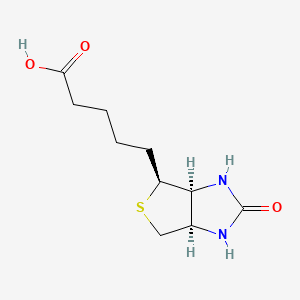
Identifiers
Functions
What are the material safety considerations for biotin?
Biotin presents a low acute toxicity profile based on available data, with rat oral LD50 values exceeding 1.45 mmol/kg and mouse oral LD50 values exceeding 10 g/kg. The Cosmetic Ingredient Review has concluded biotin is safe in present practices of use and concentration. No GHS hazard classifications are currently available for this ingredient, and no exposure limits have been established. These findings support biotin's use in cosmetic applications as a hair conditioning and skin conditioning agent without identified acute safety concerns, though the absence of GHS classification data limits comprehensive hazard characterization.
How should hazard classifications and toxicology findings for biotin be interpreted together?
The absence of GHS hazard classifications combined with high oral LD50 values across two species indicates biotin does not present acute toxicity hazards requiring standardized warning labels. The Cosmetic Ingredient Review's safety finding for current use practices reinforces this interpretation for cosmetic applications. However, the lack of GHS data means chronic toxicity, reproductive effects, and sensitization potential remain uncharacterized. For formulation decisions, this evidence supports biotin's safety in leave-on and rinse-off products at typical use concentrations, but the safety conclusion is limited to the scope of the CIR review and does not extend to novel exposure scenarios or significantly higher concentrations.
Which exposure routes, dose contexts, or effects are material for biotin?
Oral exposure is the primary documented route, with systemic absorption of approximately 50% following oral administration. Acute oral toxicity thresholds are high, with mouse LD50 exceeding 10 g/kg and rat LD50 exceeding 1.45 mmol/kg, indicating low acute oral hazard. For cosmetic applications, dermal exposure is the relevant route given biotin's functions as a hair conditioning and skin conditioning agent, though no dermal toxicity data are available. The material exposure context for product development is topical application at unspecified concentrations, where the CIR safety finding applies. Storage guidance recommends keeping capsules and tablets below 40°C, preferably between 15-30°C, which is relevant for product stability.
Which handling and risk-management measures are relevant for biotin?
Based on the low acute toxicity profile and absence of GHS hazard classifications, no specialized handling precautions beyond standard industrial hygiene practices are indicated. The primary risk-management measure is temperature control during storage, with guidance to store below 40°C and preferably between 15-30°C for capsules and tablets. For cosmetic manufacturing, standard dust control and personal protective equipment appropriate for powder handling should be maintained, though no specific requirements are documented. The CIR safety finding for current use practices provides regulatory confidence for cosmetic formulations, but formulators should verify concentration limits against the specific CIR report scope since no maximum concentration is listed in the available regulatory data.
Which safety evidence gaps should be resolved before making decisions about biotin?
Critical evidence gaps include the absence of GHS hazard classifications, which prevents standardized hazard communication, and the lack of dermal toxicity and sensitization data relevant to cosmetic applications. No exposure limits have been established, and chronic toxicity, reproductive toxicity, and carcinogenicity data are unavailable. The CIR safety finding references specific use concentrations that are not detailed in the available evidence, limiting the ability to extrapolate to higher use levels. For regulatory submissions or novel formulations, obtaining the full CIR report and conducting or referencing dermal safety studies would strengthen the safety assessment. These gaps do not contradict the current safety conclusion but limit its scope for non-standard applications.