Biotin Patent Landscape
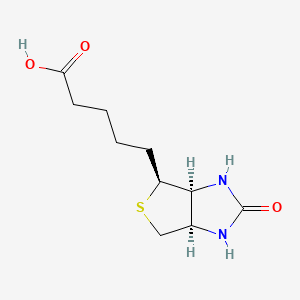
Identifiers
Functions
Which organizations and claims shape current development around biotin?
Key organizations include Biosyntia Aps, which claims a liposomal biotin preparation for skin and hair care; Nutrition 21 Llc, which claims a silicon-biotin mixture for improving skin, hair, and nails; and Biomedical Research Advisors Llc, which claims a collaborative scalp care system. Zakl Farmaceutyczne Polpharma S A claims an eye hair growth composition with biotin and peptides, while Lingen Prec Medical Products Shanghai Co Ltd claims a blood collection tube using biotin for PRP-based hair repair. These organizations are advancing biotin's role through delivery systems, synergistic blends, and novel applications, indicating a diverse landscape of innovation.
How is Biotin innovation changing in Food & Beverage?
Monthly patent filings by domain
Which technical problems do recent patents address with biotin?
Recent patents address biotin's limited delivery and stability in cosmetic and therapeutic applications. For example, liposomal encapsulation aims to protect biotin and enhance skin and hair conditioning, while zein nanoparticles are claimed to improve hair follicle transfer for anti-hair loss. Another patent combines biotin with recombinant collagen in a blood collection tube to support platelet-rich plasma-based hair follicle repair. These approaches target the technical problem of getting biotin effectively to target tissues, rather than just including it as a standard vitamin. The focus is on overcoming bioavailability and retention challenges.
How do recent patents change the role or application of biotin?
Biotin's role is shifting from a standard vitamin supplement to a functional active in targeted delivery systems and synergistic combinations. Patents show biotin as a primary active in liposomes and nanoparticles for hair growth, and as a chemically fused peptide to enhance efficacy. It is also used as a ligand in graphene conjugates for fluorescence labeling, indicating a move beyond nutritional roles. In scalp care, biotin is part of a multi-active system with peptides and caffeine, while in eyelash compositions it is combined with troxerutin and peptides. This evolution positions biotin as a versatile active ingredient in specialized cosmetic and diagnostic applications.
How is Biotin used in Food & Beverage patents?
Which Food & Beverage product categories feature Biotin in recent patents?
Which product categories and formulation strategies emerge in recent work on biotin?
Emerging product categories include scalp hair care systems, eye hair growth compositions, hair loss treatments, and even a platelet-rich plasma blood collection tube for hair follicle repair. Formulation strategies focus on encapsulation—liposomes and zein nanoparticles—to improve stability and follicle transfer. Synergistic combinations are common, such as biotin with peptides (biotinoyl tripeptide-1, myristoyl pentapeptide-17) and caffeine for scalp care, or with silicon and magnesium biotinate for skin, hair, and nail health. Another strategy is chemical fusion of biotin to peptides to create novel active compounds. These approaches aim to enhance biotin's efficacy and delivery.
Where is the evidence-backed white space for further development of biotin?
Evidence-backed white space exists in combining biotin with emerging delivery technologies beyond liposomes and zein nanoparticles, such as graphene-based systems, which are only claimed for labeling, not for cosmetic or therapeutic use. Additionally, biotin's role in diagnostic applications, like the PRP blood collection tube, suggests potential for other medical devices. There is also room for exploring biotin salts, like magnesium biotinate, in broader formulations, as only one patent covers this. However, the evidence does not indicate specific unmet needs, so further development should focus on validating these claimed approaches in real-world products.