Products & Brands Using Biotin
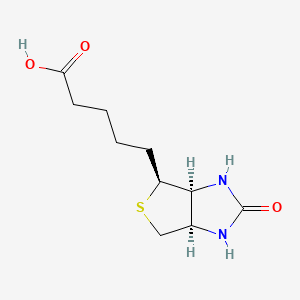
Identifiers
Functions
How broadly is Biotin used across tracked brands and products?
Brands
101
Across 27 product types
Products
661
Includes function: Chelating agent
Product Types
27
Distinct formulation categories
Functions
4
Known functional-use labels
What does product breadth indicate about the commercial maturity of biotin?
Biotin's commercial maturity is high, evidenced by 661 products across 101 brands spanning 1991–2020, with peak launches in 2013 (249 products) and 2016 (184). The presence of both mass-market (Dollar General, Suave) and prestige (Dior, Kerastase) brands, plus multi-format strategies from single brands (Mill Creek offers shampoo, conditioner, gel, and hairspray), indicates a well-established ingredient. The category shows signs of commoditization, with many generic 'fortifying' products lacking unique differentiation. However, recent patent activity (2025–2026) focusing on liposomal biotin, nanoparticle delivery, and biotin-peptide fusions suggests ongoing innovation aimed at differentiating delivery and efficacy, even as the base ingredient remains ubiquitous.
How is biotin positioned across the market?
Biotin is positioned primarily as a fortifying and volumizing agent for hair, with product names explicitly linking it to 'strengthening,' 'thickening,' and 'anti-breakage' claims. This positioning spans mass-market brands (Alberto VO5, Suave) and professional/premium lines (Alterna, Biolage, RevitaLash), indicating broad adoption across price points. In cosmetics, it appears in lash and brow serums and mascaras, extending its hair-benefit halo to eyelash enhancement. Patent filings further position biotin in oral formats, such as hair-health beverages and multivitamin powders, suggesting a bridge between topical and ingestible beauty applications. The ingredient is rarely marketed as a standalone active; instead, it functions as a supporting vitamin within larger hair-care or beauty systems.
Top companies using Biotin in their products
Ranked by number of tracked products that list biotin, out of 661 total.
Where is Biotin covered by tracked regulatory lists?
Jurisdictions
Markets where this ingredient appears on tracked ingredient regulation lists.
EU
99 tracked lists
US Federal
33 tracked lists
Other
88 tracked lists
Regulatory Bodies
Authorities cited most often across the tracked ingredient lists.
Danish Environmental Protection Agency
EU
DrugBank
FDA
EPA
Which product categories, formats, and functions use biotin?
Biotin appears across 27 product types, with hair care dominating: shampoo (140 products), hair conditioner (129), and hair styling (32) are the top categories, followed by face cream/moisturizer (41) and hand/body lotion (32). It also appears in color cosmetics like foundation/concealer (21), mascara (19), and eyebrow makeup (10), plus niche formats such as scalp treatment (9), nail treatment (7), and dandruff shampoo (2). This breadth indicates biotin functions primarily as a hair-strengthening and volumizing ingredient, with secondary use in skin and lash/brow conditioning. The functional profile spans chelating, conditioning, and nutrient roles, supporting its versatility across rinse-off and leave-on formats.
Which product categories contain Biotin?
Tracked product categories ranked by distinct products containing this ingredient.
Which formulation and co-ingredient patterns recur around biotin?
Recurring co-ingredients include panthenol (348 products), niacinamide (248), tocopheryl acetate (271), and hydrolyzed keratin (100), indicating a B-vitamin and protein-rich formulation strategy for hair repair and thickness. Biotin also frequently pairs with collagen in commercial products (e.g., OGX Thick & Full) and with peptides in patent filings, such as biotinoyl tripeptide-1 and N-biotinyl-Gly-His-Lys, for targeted hair-growth claims. Patent evidence shows advanced delivery systems, including liposomal encapsulation (0.01–10% biotin) and zein nanoparticles, suggesting a shift from simple addition to enhanced bioavailability. Common excipients like citric acid, glycerol, and phenoxyethanol appear in most formulations, reflecting standard preservation and pH adjustment rather than unique synergy.
Which product spaces around biotin appear crowded or differentiated?
Crowded spaces include standard shampoos and conditioners, where biotin is a common additive with little distinction beyond 'strengthening' claims. Differentiated opportunities exist in advanced delivery systems, as patents show liposomal encapsulation and zein nanoparticles for improved follicle transfer—approaches not yet evident in the commercial product data. Another distinct space is ingestible hair-health beverages, where biotin is combined with botanicals like saw palmetto and horsetail, a format absent from the topical product landscape. Lash and brow serums also appear less saturated, with only a few brands (RevitaLash, It Cosmetics) leveraging biotin for eyelash conditioning, suggesting room for targeted claims around lash density and growth.