Castor Oil Toxicity
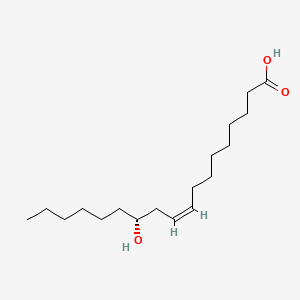
Identifiers
Functions
Hazards

What are the material safety considerations for Castor oil?
Castor oil is classified under GHS as a Warning-level irritant, with H315 (skin irritation), H319 (serious eye irritation), and H335 (respiratory irritation) at notification ratios of 33.3%, 33.3%, and 31.7%, respectively. A Cosmetic Ingredient Review found it safe in present practices of use and concentration. These classifications indicate low acute toxicity but require caution for skin, eye, and respiratory contact. For formulators, this means including appropriate warning labels and conducting irritation risk assessments, especially for leave-on products. The safety finding supports its continued use, but the GHS warnings must be communicated in safety data sheets and product labeling.
How should hazard classifications and toxicology findings for Castor oil be interpreted together?
The GHS classifications and the Cosmetic Ingredient Review safety finding should be interpreted together as indicating that Castor oil is safe for cosmetic use under current practices, but it still poses reversible irritant hazards. The GHS H315, H319, and H335 codes are Warning-level, meaning they are not severe systemic toxicities but require handling precautions. The CIR finding, based on rat studies, supports safety at current use concentrations. For regulatory compliance, this means the ingredient can be used without restrictions, but safety data sheets must list these hazard statements. The combination suggests a low-risk profile with manageable irritant potential, not a systemic toxicant.
Which exposure routes, dose contexts, or effects are material for Castor oil?
Material exposure routes for Castor oil are dermal (skin and eye) and inhalation, based on GHS classifications. Skin contact may cause irritation (H315), eye contact may cause serious irritation (H319), and inhalation may cause respiratory irritation (H335). These are acute, reversible effects rather than chronic toxicity. The Cosmetic Ingredient Review finding of safety in present practices implies that typical cosmetic use concentrations do not pose significant systemic risk. For product development, this means focusing on minimizing direct contact with eyes and mucous membranes, and ensuring adequate ventilation in manufacturing areas to avoid inhalation of mists or aerosols.
Which handling and risk-management measures are relevant for Castor oil?
Relevant risk-management measures for Castor oil include using personal protective equipment to prevent skin and eye contact, such as gloves and safety goggles, and ensuring adequate ventilation to avoid respiratory irritation. Since GHS classifications are Warning-level, standard industrial hygiene practices are sufficient. In formulation, avoid creating aerosols or mists that could be inhaled. The Cosmetic Ingredient Review finding of safety supports its use without special restrictions, but labeling should include H315, H319, and H335 statements. For manufacturing, implement spill cleanup procedures and eye-wash stations. These controls align with the irritant hazard profile and are proportionate to the low systemic toxicity.
Which safety evidence gaps should be resolved before making decisions about Castor oil?
Before making final decisions, resolve the absence of quantitative exposure limits and specific handling procedures for Castor oil. The GHS classifications provide hazard statements but not safe exposure thresholds. Additionally, the Cosmetic Ingredient Review finding is based on rat studies, so human-specific data on irritation thresholds and sensitization potential would strengthen the safety assessment. For regulatory submissions, confirm whether the GHS classifications apply to all product forms or only certain concentrations. These gaps are material because they affect the precision of risk assessments and the development of targeted handling protocols.