“DIY hair oil recipe 🫶🏼1oz castor oil 1oz coconut oil...”
Castor Oil Consumer Sentiment
CtrlK
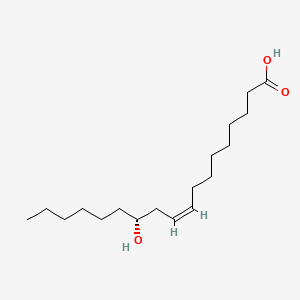
Identifiers
FormulaC18H34O3·CAS141-22-0·EC205-470-2
Functions
FragranceSKIN Conditioning +1 more
Hazards

How do consumers feel about products containing Castor oil?
Positive
Mixed
Negative
Consumers view castor oil as a versatile, effective, and natural solution for hair growth, skin hydration, and DIY beauty routines, with minor concerns focused on product authenticity and texture.
Which consumer needs, benefits, and objections are associated with Castor oil?
Consumers primarily associate castor oil with hair growth and thickness, DIY skincare and soap making, skin hydration, and traditional medicinal uses like digestive health and pain relief. The sentiment is overwhelmingly positive, with no negative objections captured in the available consumer discussions. This indicates a strong, versatile reputation as a natural remedy. The business implication is that marketing can leverage these established, positive associations, but the lack of documented objections means potential concerns such as texture, comedogenicity, or efficacy are not yet visible in this data and should be investigated separately.
What do consumers discuss about Castor oil?
Hair Growth and Strength
Consumers consistently praise castor oil for promoting thicker, longer hair and brows, often using it in DIY mixes or commercial serums to combat breakage and thinning.
instagram
facebook
lemon8-app
Skin Hydration and Anti-Aging
Users highlight castor oil's ability to lock in moisture, reduce wrinkles, soothe inflammation, and treat conditions like eczema and dry eyes.
instagram
lemon8-app
DIY Beauty and Soap Making
A significant portion of consumers use castor oil in homemade recipes for soap, lip gloss, hair masks, and magnesium sprays, valuing its role in lather creation and moisturization.
instagram
facebook
lemon8-app
Castor Oil Packs for Wellness
Some users incorporate castor oil packs into their routine for liver support, inflammation reduction, and hormone balance, often combining them with heat.
instagram
lemon8-app
Product Authenticity and Texture
While many seek pure, cold-pressed options, some consumers warn that thin, runny textures indicate adulterated products, emphasizing the need for viscous, thick oil.
facebook
lemon8-app
How are current products and patent claims responding to consumer concerns about Castor oil?
The market is responding to consumer interest by incorporating castor oil into a wide range of products, with a strong emphasis on lip care, where it appears in over 1,300 products, and as a key ingredient in natural and 'un-petroleum' formulations. Patent claims are exploring more targeted benefits, such as using castor oil in hair growth compositions, as a vegetable oil base for silicone-free conditioners, and as a scalp protector before chemical relaxer treatments. This shows a market actively aligning product development with consumer desires for natural, multifunctional ingredients, though patent filings are claims of approach, not proof of market adoption.
What concerns do consumers raise about Castor oil?
Fear of buying fake or diluted castor oil that is too thin and runny instead of the expected thick, viscous texture.
facebook
Concerns about irritation or blurriness if too much oil migrates into the eye area during lash application.
lemon8-app
Worry that the thick consistency may make hair feel heavy or greasy if not used sparingly.
Where is the gap between consumer expectations and the current Castor oil offering?
The primary gap is between consumer enthusiasm for castor oil as a versatile 'cure-all' for hair growth, skin, and digestive health, and the current product offering, which is heavily concentrated in lip and color cosmetics. While patents explore advanced applications like scalp protection and antibiotic sensitization, these are not yet reflected in the mainstream consumer product landscape. This suggests an opportunity to develop more targeted products that deliver on the specific, high-interest benefits like hair growth and skin barrier repair, which are currently underserved by the dominant lip care market.
Which formulation approaches are being used to address those concerns around Castor oil?
Formulation approaches are leveraging castor oil's multifunctionality. In cosmetics, it is used as a primary vegetable oil in anhydrous hair treatments, an emollient in eye care, and a component in hair growth blends. To address concerns about synthetic ingredients, patents describe using castor oil in silicone-replacement combinations and as a plant-based alternative in 'un-petroleum' balms. In material science, it is chemically modified into polyols for polyurethane coatings and adhesives, and epoxidized for use in waterborne dispersions, demonstrating its versatility as a bio-based building block for performance and sustainability.
What consumer-led opportunity or risk should researchers consider for Castor oil?
A significant consumer-led opportunity exists in developing dedicated hair growth and scalp care products, as this is a widely discussed consumer need that is not proportionally represented in the current product mix, which is dominated by lip products. Researchers should also consider the risk associated with the consumer-driven use of castor oil for internal health benefits like digestion and liver detox, as this is a sensitive area with potential safety implications that are not addressed by the current cosmetic-focused offering. This presents a clear opportunity for innovation in high-interest categories while highlighting a need for clear communication on safe usage.