Castor Oil Environmental Fate & Ecotoxicity
Identifiers
Functions
Hazards

What is known about the environmental fate of Castor oil?
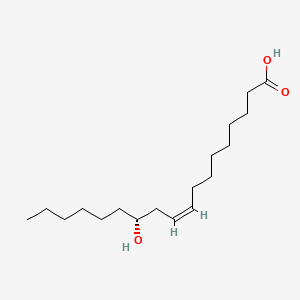
Castor oil's primary component, ricinoleic acid, is expected to partition into air, soil, and water compartments with distinct fate processes. In air, it exists as a vapor and degrades via reaction with hydroxyl radicals and ozone, with estimated half-lives of 4.6 and 2.1 hours, respectively. In soil, it shows low mobility (estimated Koc 900) and exists as an anion at environmental pH, reducing volatilization. In water, it adsorbs to suspended solids and sediment, and volatilization is negligible. Biodegradation is significant, with 29.7% of theoretical oxygen demand reached in 24 hours in activated sludge. These fate characteristics inform environmental transport modeling and risk assessment for castor oil releases.
What do biodegradation, bioaccumulation, and ecotoxicity findings indicate for Castor oil?
Biodegradation is an important fate process for ricinoleic acid, the main component of castor oil, with 29.7% of theoretical oxygen demand achieved in 24 hours in activated sludge, indicating potential for environmental degradation. Bioaccumulation potential is moderate, with an estimated bioconcentration factor (BCF) of 56, suggesting some accumulation in aquatic organisms. No direct ecotoxicity data were available for ricinoleic acid or castor oil. These findings imply that while biodegradation may mitigate persistence, moderate bioaccumulation warrants monitoring in aquatic food chains. The absence of ecotoxicity data limits hazard classification and environmental risk assessment.
Which environmental exposure pathways or concentrations are reported for Castor oil?
Reported exposure pathways for ricinoleic acid, the primary component of castor oil, include release to the environment through waste streams from its production and use in cosmetics, coatings, lubricants, and chemical manufacturing. Occupational exposure may occur via dermal contact at workplaces, and the general population may be exposed dermally through cosmetic or personal care products containing ricinoleic acid. No specific environmental concentrations in air, water, or soil were reported. This indicates that exposure is primarily through industrial and consumer product use, with dermal contact being the main route for humans, but quantitative environmental concentration data are lacking.
How might use context or formulation affect the environmental profile of Castor oil?
Use context significantly influences environmental release and fate. Ricinoleic acid is used in cosmetics, coatings, lubricants, and chemical manufacturing, leading to release via waste streams. In consumer products, dermal exposure is the primary pathway, potentially resulting in down-the-drain disposal and subsequent wastewater treatment. Biodegradation in activated sludge (29.7% theoretical oxygen demand in 24 hours) suggests that wastewater treatment can mitigate environmental loading. However, the moderate bioaccumulation potential (BCF 56) implies that any residual release could accumulate in aquatic organisms. Formulation may alter bioavailability and transport, but no specific data were provided.
Which evidence gaps must be resolved before making sustainability claims about Castor oil?
Before making sustainability claims, critical evidence gaps include direct ecotoxicity data for aquatic and terrestrial organisms, which are currently absent. Measured environmental concentrations in various media are lacking, preventing exposure assessment. While biodegradation data exist, they are limited to activated sludge conditions; environmental biodegradation rates in natural systems are unknown. Bioaccumulation is estimated, not measured, and the moderate BCF (56) requires validation. Additionally, the fate of castor oil as a whole, rather than its component ricinoleic acid, is not characterized. These gaps must be addressed to substantiate any environmental sustainability assertions.