Creatine Monohydrate Toxicity
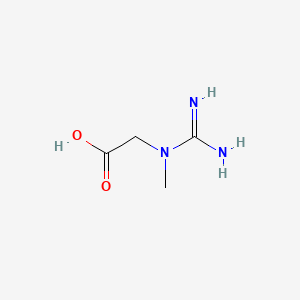
Identifiers
Functions
Hazards

What are the material safety considerations for Creatine monohydrate?
Creatine monohydrate is classified under GHS as a skin irritant (H315), eye irritant (H319), and respiratory irritant (H335), each with a Warning signal word. These classifications indicate that direct contact may cause irritation to skin, eyes, and respiratory tract. For business and formulation contexts, this means handling protocols should include protective measures to minimize exposure. The absence of acute toxicity data in the available evidence does not negate these irritant hazards, but it does limit a full toxicological profile. Regulatory compliance should reflect these GHS classifications in labeling and safety data sheets.
How should hazard classifications and toxicology findings for Creatine monohydrate be interpreted together?
The GHS classifications for skin, eye, and respiratory irritation should be interpreted as the primary hazard indicators for creatine monohydrate, given the lack of quantitative toxicology data. These classifications are consistent across a 27.7% notification ratio, suggesting moderate industry recognition of these hazards. In practice, this means that while the substance is not classified as acutely toxic, it still requires caution to prevent irritation. Formulators should prioritize irritation mitigation in product design and safety communication. The absence of toxicity test values means that systemic toxicity potential cannot be assessed from this evidence alone.
Which exposure routes, dose contexts, or effects are material for Creatine monohydrate?
Material exposure routes for creatine monohydrate are dermal, ocular, and inhalation, based on the GHS irritation classifications. Skin contact may cause irritation, eye contact may cause serious irritation, and inhalation of dust or particles may irritate the respiratory tract. These effects are relevant for occupational handling and consumer use, particularly in powder forms. For business decisions, this implies that dust control and personal protective equipment are important in manufacturing and handling environments. No systemic exposure limits or dose-response data were available, so the exposure profile is limited to local irritant effects.
Which handling and risk-management measures are relevant for Creatine monohydrate?
Relevant risk-management measures for creatine monohydrate include using protective gloves, safety goggles, and respiratory protection to prevent skin, eye, and inhalation irritation. Engineering controls such as local exhaust ventilation and dust suppression are advisable to minimize airborne particles. These measures align with the GHS Warning-level hazards and are practical for manufacturing and laboratory settings. For formulation, ensuring product forms that reduce dust generation can lower exposure risk. The lack of specific handling guidelines in the evidence means these controls are based on standard practices for irritant substances.
Which safety evidence gaps should be resolved before making decisions about Creatine monohydrate?
Key safety evidence gaps for creatine monohydrate include the absence of acute toxicity values, exposure limits, and specific handling instructions. These gaps prevent a complete risk assessment, particularly for systemic toxicity and occupational exposure thresholds. Before making final decisions, it is advisable to obtain quantitative toxicology data and regulatory exposure limits. Additionally, the lack of cosmetic-specific restrictions in the available regulatory data suggests that creatine is permitted for use, but this does not substitute for a full safety evaluation. Resolving these gaps would strengthen confidence in handling and formulation decisions.