Creatine Monohydrate Environmental Fate & Ecotoxicity
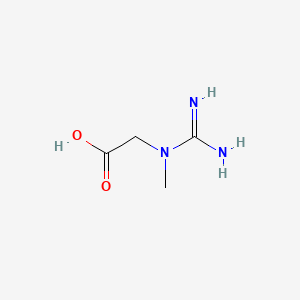
Identifiers
Functions
Hazards

What is known about the environmental fate of Creatine monohydrate?
Creatine monohydrate is expected to be highly mobile in soil and water, with low adsorption to solids and sediment, based on an estimated Koc of 24. In air, it exists as a vapor and degrades rapidly via hydroxyl radicals, with an estimated half-life of 4 hours. It does not volatilize from water or moist soil due to its zwitterionic form, and hydrolysis is not significant. Aerobic degradation by activated sludge and anaerobic fermentation to methane have been reported. These fate properties suggest partitioning to water and biodegradation as primary removal routes, with limited persistence in air or soil.
What do biodegradation, bioaccumulation, and ecotoxicity findings indicate for Creatine monohydrate?
Biodegradation evidence indicates creatine is degradable under both aerobic and anaerobic conditions, including activated sludge and methanogenic enrichment cultures. Bioaccumulation potential is low, with an estimated BCF of 3. No direct ecotoxicity data were available, so hazard classification cannot be established. The combination of ready biodegradability and low bioaccumulation suggests a lower environmental hazard profile, but the absence of ecotoxicity endpoints means a full risk assessment is incomplete. Formulators can use this to anticipate regulatory data needs, but should not assume low ecotoxicity without empirical evidence.
Which environmental exposure pathways or concentrations are reported for Creatine monohydrate?
Reported exposure pathways include release through waste streams from production and use as a diagnostic agent and performance-enhancing supplement. Occupational exposure may occur via dermal contact during manufacturing or use. General population exposure is primarily intentional through supplement consumption. No measured environmental concentrations were provided, so quantitative exposure levels in water, soil, or air are unknown. The high water solubility and mobility suggest that if released, creatine could enter aquatic systems, but without monitoring data, exposure magnitude cannot be quantified.
How might use context or formulation affect the environmental profile of Creatine monohydrate?
Use context as a nutritional supplement or diagnostic agent influences release pathways, primarily via wastewater from production and human excretion. Since creatine is degraded by activated sludge, wastewater treatment may reduce environmental loading, but the efficiency is not quantified. Formulation as a monohydrate does not alter the intrinsic environmental fate properties, as the active moiety is the same. However, co-formulants in finished products could introduce additional environmental considerations not covered by this data. The lack of product-specific release data limits assessment of use-phase impacts.
Which evidence gaps must be resolved before making sustainability claims about Creatine monohydrate?
Before making sustainability claims, critical gaps include the absence of ecotoxicity data, measured environmental concentrations, and quantitative biodegradation rates in natural systems. While creatine is biodegradable in activated sludge and has low bioaccumulation potential, these are estimates or lab observations, not field-validated. No data on persistence in soil or sediment, or on effects on aquatic or terrestrial organisms, were supplied. Without these, claims of environmental safety or sustainability are unsupported. Research should prioritize empirical ecotoxicity testing and environmental monitoring to fill these gaps.