Lavender Extract
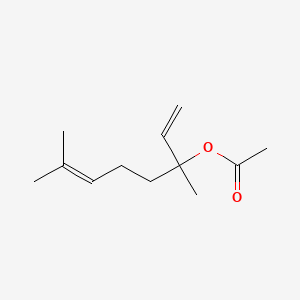
Identifiers
Functions
Hazards

Where is lavender extract used, and what role does it play in each application?
Lavender extract functions across cosmetics, personal care, oral care, and food/beverage applications. In cosmetics, it serves as a cleansing, deodorant, fragrance, refreshing, and tonic agent, and is used in moisturizers, serums, and shampoos for skin conditioning, anti-inflammatory, antioxidant, and whitening effects. In oral care, it acts as an antibacterial agent and breath freshener. In food and beverage, it is used as a flavoring agent and in sleep-improvement supplements. Its role varies from a primary active ingredient in targeted serums to a supporting component in synergistic blends.
Which product or formulation problem does lavender extract address?
Lavender extract addresses formulation problems related to sensory appeal, skin health, and functional performance. It provides fragrance and flavor, solving the need for natural scent in perfumes, soaps, and cleaning products. In skincare, it targets acne, inflammation, barrier strengthening, moisturization, whitening, and anti-aging. In oral care, it forms a protective film for long-acting antibacterial and breath-freshening effects. In supplements, it supports sleep improvement. Its stability in alkaline conditions makes it suitable for soaps and detergents.
What supports the main commercial or clinical uses of lavender extract?
Evidence for lavender extract's uses comes from regulatory approvals, compositional data, and patent filings. It is listed as a fragrance allergen in cosmetics, requiring reporting above certain concentrations, and is generally recognized as safe as a flavoring agent in food. Its principal component, linalyl acetate, is a known fragrance material and flavoring ingredient. Patents claim uses for skin barrier strengthening, anti-inflammatory, moisturizing, sleep improvement, whitening, and antibacterial effects, but these are not proof of efficacy.
Which formulation trade-offs should researchers consider for lavender extract?
Formulation trade-offs for lavender extract include concentration, extraction method, and allergen labeling. In cosmetic blends, concentrations range from 0.0001% to 5%, while targeted serums may use 5-20%. Extraction methods vary: aqueous extracts for anti-aging, ethanol for sleep compositions, and high-frequency extraction for antioxidant effects. As a fragrance allergen, it requires reporting in cosmetics above 0.01% in rinse-off and 0.001% in leave-on products. Its stability in alkaline conditions is an advantage for soaps, but it may cause irritation in sensitive individuals.
What are the physicochemical properties of Lavender extract?
| Property | Value | Category |
|---|---|---|
| Physical Description | CBI; Dry Powder; Liquid; Liquid; Liquid; Other Solid, Clear colorless liquid with an odor of bergamot; [Hawley], Solid, COLOURLESS LIQUID WITH CHARACTERISTIC ODOUR, colourless liquid with a floral, fruity odour | Appearance |
| Color/Form | Clear, colorless, oily liquid | Appearance |
| Odor | floral-fruity odor, reminiscent of bergamot and it also has some pear character, Bergamot-lavender odor, Sweet, floral-fruity odor recalling Bergamot and Pear | Appearance |
| Taste | Persistent sweet, acrid taste, Sweet, fruity, pear-like with a faintly floral note | Appearance |
| Solubility | Insoluble in water, Miscible with ethanol, ether, Soluble in alcohol, ether, diethyl phthalate, benzyl benzoate, mineral oil, fixed oils; slightly soluble in propylene glycol; insoluble in glycerol, Solubility in water: poor, slightly soluble in propylene glycol; insoluble in glycerol and water; miscible with alcohol and fixed oils, 1 ml in 5 ml 70% alcohol (in ethanol) | Formulation Relevant Properties |
| LogP | log Kow = 3.93, 3.93, 3.9 | Formulation Relevant Properties |
| Boiling Point | 221 °C, 220.00 °C. @ 760.00 mm Hg, 220 °C | Handling Relevant Properties |
| Melting Point | < 25 °C | Handling Relevant Properties |
| Flash Point | 94 °C (201 °F) - closed cup, 185 °F (85 °C) (closed cup), 85 °C c.c | Handling Relevant Properties |
| Density | 0.895 g/cu cm at 20 °C, Relative density (water = 1): 0.9, 0.895-0.914 | Handling Relevant Properties |
Which formulation benchmark best contextualizes lavender extract, and what differs?
A relevant formulation benchmark is linalyl acetate, the principal component of lavender essential oil. It is widely used in perfumes, soaps, cleaning products, and cosmetics as a fragrance material, and is stable in alkaline conditions. Lavender extract differs by including additional plant compounds like flavonoids and tannins, which are claimed to provide antioxidant and whitening benefits beyond fragrance. This makes lavender extract a multifunctional ingredient, whereas linalyl acetate is primarily a fragrance and flavoring agent.