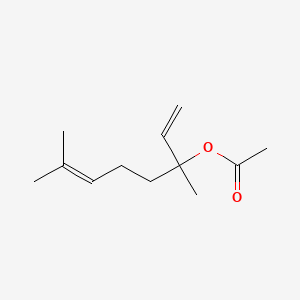
Regulations of Lavender Extract

LAVANDULA ANGUSTIFOLIA FLOWER EXTRACT

Identifiers

FormulaC12H20O2·CAS115-95-7·EC204-116-4·HS2915.39

Functions

CleansingDeodorant +3 more

Hazards

Irritant

How does the regulatory treatment of lavender extract differ by market or product category?

Regulatory treatment varies by market and product category. In the EU, lavender extract (Lavandula angustifolia flower extract) is listed as an active cosmetic ingredient with functions including cleansing, deodorant, fragrance, refreshing, and tonic, and is subject to the EU ozone-depleting substances ban. In the US, the related substance linalyl acetate is FDA-recognized as generally recognized as safe (GRAS) for use as a synthetic flavoring substance in human food and animal drugs/feeds, and is an active TSCA commercial substance. In Australia, it appears on the industrial chemicals inventory, while in New Zealand it lacks individual approval but may be used under a group standard. California's Safe Cosmetics Program lists it as a reportable fragrance allergen.

Which United States federal regulations apply to Lavender extract?

4 regulations

EPA TSCA Regulatory Flag

1,6-Octadien-3-ol, 3,7-dimethyl-, 3-acetate is listed on the EPA's Chemical Data Reporting (CDR) system. Manufacturers and importers of 1,6-Octadien-3-ol, 3,7-dimethyl-, 3-acetate are required to report information about their production and use of this chemical to the EPA under the Toxic Substances Control Act (TSCA). (40 eCFR Part 711)

FDA Direct Food Additives

Regulatory records

EntryRegulationTypeStatusSource
182.6021 CFR 182.60Food AdditiveauthorizedView

FDA GRAS Notices

Emergency treatment: Linalool; [HSDB] Included in list of established contact allergens in humans; [EC: Scientific Committee on Consumer Safety: Fragrance allergens in cosmetic products (2011)] Causes somnolence and ataxia and acts as a general anesthetic in lethal dose studies of rats; [RTECS] Safe when used as a flavoring agent in food; [JECFA] Hydrolyzed in the GI tract into linalool and acetic acid; Not a mutagen; Not likely to be a sensitizer; Linalool, a hydrolysis product, caused hepatocellular cytoplasmic vacuolisation in 28-day feeding studies of rats; [Reference #1] See Linalool.

FDA Technical Effects

Regulatory records

RegulationStatus
FDA Technical Effect: FLAVORING AGENT OR ADJUVANTauthorized

What EU regulatory requirements apply to Lavender extract?

2 regulations

REACH Registered Substance

Status: Active Update: 11-04-2023 https://echa.europa.eu/registration-dossier/-/registered-dossier/14484

COSING Annex III Restricted Substances (Reg 1223/2009)

Published
27 Jul 2023
Effective
27 Jul 2023
Transition
31 Jul 2026

Regulatory records

EntryRegulationTypeStatus
3372023/1545IIIrestricted

Product applications

Product TypeLimit
Rinse-off products0.01%
Leave-on products0.001%

Conditions

The presence of the substance shall be indicated in the list of ingredients referred to in Article 19(1), point (g), when its concentration exceeds:; —; 0,001 % in leave-on products; —; 0,01 % in rinse-off products.

Record details

2023/1545

professional use only
No

What regulations apply to Lavender extract in Canada?

1 regulation

DSL / NDSL

Published
04 May 1994
Effective
04 May 1994

Regulatory records

EntryRegulationTypeStatus
115-95-7SOR/94-311DSLauthorized

Conditions

This substance is on the Domestic Substances List (DSL). This substance was added to the DSL as an “Existing Substance” given that it meets the criteria set out in CEPA for substances that were in commerce in Canada between 1984 and 1986.

Record details

SOR/94-311

professional use only
No

What regulations apply to Lavender extract in Australia?

1 regulation

The Australian Inventory of Industrial Chemicals

Chemical: 1,6-Octadien-3-ol, 3,7-dimethyl-, acetate

What regulations apply to Lavender extract in New Zealand?

1 regulation

New Zealand EPA Inventory of Chemical Status

Linalyl acetate: Does not have an individual approval but may be used under an appropriate group standard

Which United States federal regulations apply to Lavender extract?

1 regulation

California Safe Cosmetics Program (CSCP)

Hazard Traits - Fragrance Allergen

Which conditions, limits, and use contexts most affect a compliance assessment for lavender extract?

Key conditions include GHS hazard classifications that trigger labeling and safety data requirements: skin irritation (H315), allergic skin reaction (H317), serious eye irritation (H319), respiratory irritation (H335), drowsiness/dizziness (H336), and aquatic toxicity (H401). No specific concentration limits or use restrictions are provided for the cosmetic ingredient, and no exposure limits are available. The substance is combustible (H227), requiring appropriate handling. For food use, linalyl acetate is GRAS with no stated limits, but animal studies show high oral LD50 (14,550 mg/kg) and potential liver effects from a hydrolysis product. These classifications and toxicological data inform risk assessment and hazard communication.

What should be in place before a product containing lavender extract is assessed for launch?

Before launch, a compliance assessment should confirm the ingredient's regulatory status in each target market. For cosmetics, verify that the specific extract (e.g., Lavandula angustifolia flower extract, CAS 90063-37-9) is listed in the EU cosmetic ingredient database and check for any applicable restrictions or bans, such as the ozone-depleting substances ban. For US food or flavor use, ensure the substance is covered by the FDA GRAS listing for synthetic flavoring substances. For industrial uses, confirm TSCA active status and CDR reporting obligations. Also prepare GHS-compliant labeling and safety data sheets reflecting the hazard classifications (skin/eye irritation, sensitization, etc.).

Where does the available regulatory position stop short of supporting a decision on lavender extract?

The available regulatory position is insufficient to support a final launch decision because it lacks specific use conditions, concentration limits, and product-category restrictions for the cosmetic ingredient. While the EU database lists the extract as active with no restrictions, this does not confirm safety for all product types or exposure levels. The US GRAS listing applies to linalyl acetate as a flavoring substance, not to lavender extract as a whole or to cosmetic uses. GHS classifications are based on company notifications and may not reflect all hazards. Additionally, the New Zealand group standard and Australian inventory status do not provide use-specific approvals. Therefore, a full regulatory assessment requires additional market-specific and product-specific data.

Which recent regulatory changes or effective dates are material for lavender extract?

A material regulatory change is the EU REACH registration status for linalyl acetate, which is active as of April 11, 2023, indicating ongoing compliance obligations for manufacturers and importers. Additionally, the EU cosmetic ingredient database lists Lavandula angustifolia flower extract as active and subject to the ban on ozone-depleting substances, which is a current regulatory requirement. No other recent changes or effective dates are provided in the evidence. Companies should monitor these registrations and any updates to the EU cosmetic regulation, as changes could affect market access.