Lavender Extract Environmental Fate & Ecotoxicity
Identifiers
Functions
Hazards

What is known about the environmental fate of lavender extract?
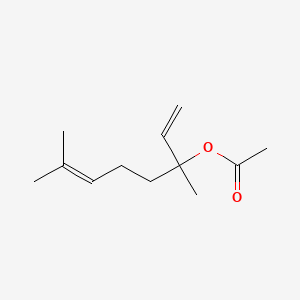
Lavender extract's primary constituent, linalyl acetate, is expected to partition mainly to air and water, with moderate soil mobility and volatilization from moist and dry soil. In water, it hydrolyzes rapidly (half-life <24 hours) to linalool and acetic acid, and volatilizes with half-lives of 4.8 hours in rivers and 5.8 days in lakes. In air, it degrades via hydroxyl radicals and ozone with half-lives of 200 and 38 minutes, respectively. Biodegradation is significant, reaching 75% of theoretical BOD in 4 weeks. These fate processes indicate relatively rapid dissipation from environmental compartments, reducing long-term persistence.
What do biodegradation, bioaccumulation, and ecotoxicity findings indicate for lavender extract?
Biodegradation is rapid (75% theoretical BOD in 4 weeks), indicating low persistence. Bioaccumulation potential is high based on an estimated BCF of 180, though this is a screening-level estimate. Ecotoxicity is moderate: 96-hour LC50 of 11 mg/L for carp, 48-hour EC50 of 15 mg/L for Daphnia magna, and 72-hour EC50 of 4.4 mg/L for green algae. These values suggest potential harm to aquatic organisms at concentrations above ~4 mg/L. The rapid hydrolysis and biodegradation may mitigate long-term exposure, but acute toxicity to algae and invertebrates warrants caution in environmental risk assessments.
Which environmental exposure pathways or concentrations are reported for lavender extract?
No measured environmental concentrations are reported for lavender extract or its constituents. Exposure pathways are inferred from use patterns: release via waste streams from production and use in perfumery, flavoring, and as a petitgrain substitute. General population exposure may occur through inhalation of product vapors, ingestion of food, and dermal contact with consumer products. Occupational exposure via inhalation and dermal contact is possible during production. However, quantitative environmental concentrations in air, water, or soil are not available, limiting exposure assessment.
How might use context or formulation affect the environmental profile of lavender extract?
Use context significantly influences environmental release. In consumer products, dermal application and washing can lead to down-the-drain release, where rapid hydrolysis and biodegradation reduce aquatic exposure. In perfumery, volatilization to air is a major pathway, with atmospheric degradation half-lives under 4 hours. Formulation may affect bioavailability: encapsulation or complexation could slow release, altering fate. However, no direct evidence links specific formulations to environmental behavior. The rapid hydrolysis in water suggests that environmental persistence is low, but high bioaccumulation potential (BCF 180) could be a concern in repeated-release scenarios.
Which evidence gaps must be resolved before making sustainability claims about lavender extract?
Before making sustainability claims, several evidence gaps must be addressed: measured environmental concentrations in relevant media, actual bioaccumulation data (not just estimated BCF), and ecotoxicity testing on the full extract rather than single constituents. Additionally, the environmental fate of other lavender extract components beyond linalyl acetate is unknown. Without these data, any claim of environmental safety or sustainability is unsupported. The current evidence indicates moderate toxicity and high bioaccumulation potential, which could contradict sustainability claims if not fully assessed.