“Lavender is well known to help calm anxiety symptoms and increase relaxation. ... formulated with the clinically-studied KSM-66® Ashwagandha extract and Lavender extract.”
Lavender Extract Consumer Sentiment
CtrlK
Identifiers
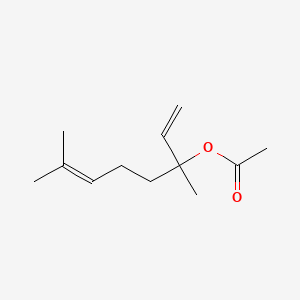
FormulaC12H20O2·CAS115-95-7·EC204-116-4·HS2915.39
Functions
CleansingDeodorant +3 more
Hazards

How do consumers feel about products containing Lavender extract?
Positive
Mixed
Negative
Consumers view lavender extract as a versatile, calming ingredient that enhances relaxation, sleep quality, and sensory experiences in both wellness products and DIY recipes.
Which consumer needs, benefits, and objections are associated with lavender extract?
Consumers associate lavender extract with relaxation, stress reduction, and improved sleep, often linking it to melatonin support. It is also valued in culinary applications for floral notes in syrups, ice cream, and lattes. Key objections include an overpowering, persistent scent in laundry detergents that can irritate sensitive skin, and a tendency to become soapy in food if overused. These concerns are moderate to minor in severity but highlight the need for dose control and formulation sensitivity.
What do consumers discuss about Lavender extract?
Relaxation and Sleep Aid
Lavender extract is frequently cited for its ability to reduce anxiety, promote calmness, and improve sleep quality when used in supplements, drinks, and skincare.
facebook
lemon8-app
Culinary and Beverage Flavoring
Users incorporate food-grade lavender extract into homemade mocktails, energy drinks, and baking recipes to add a soothing floral aroma and unique taste.
lemon8-app
Skincare and Fragrance
While some consumers appreciate the soothing scent of lavender in body washes and serums, others criticize its presence in sensitive skin formulations due to potential irritation from essential oils.
facebook
lemon8-app
How are current products and patent claims responding to consumer concerns about lavender extract?
Patent claims respond to consumer desires for relaxation and sleep by incorporating lavender extract into sleep-improving compositions, including oral supplements and cosmetic moisturizers. They also address scent and skin sensitivity concerns by combining lavender with soothing botanicals like aloe, chamomile, and green tea, and by specifying extraction methods to produce milder aqueous extracts. These claims indicate a formulation strategy focused on holistic wellness and gentler delivery, though they do not confirm actual product adoption.
What concerns do consumers raise about Lavender extract?
Fragrance and essential oils in products marketed for sensitive or reactive skin can cause irritation and are seen as unnecessary risks.
Lavender extract is very potent and strong, requiring careful measurement in cooking to avoid overpowering flavors.
lemon8-app
Where is the gap between consumer expectations and the current lavender extract offering?
The main gap is between consumer desire for lavender's calming and sleep benefits and the reality of its strong, lingering scent in some products, particularly laundry detergents. While patents focus on topical and oral applications for relaxation, consumer complaints center on household cleaning products where scent intensity is not adequately controlled. This suggests a need for formulations that deliver lavender's benefits without overwhelming sensory impact, especially in non-rinse-off applications.
Which formulation approaches are being used to address those concerns around lavender extract?
Formulation approaches include using lavender extract in low concentrations (e.g., 0.0001–5% in cosmetics) and combining it with complementary botanicals to balance its effects. Aqueous extraction methods with pH adjustment are claimed to produce gentler extracts for sensitive skin. In oral care, lavender gel is used for antibacterial benefits, while in shampoos it is paired with scalp-soothing ingredients. These approaches aim to deliver benefits while minimizing irritation and overpowering scent.
What consumer-led opportunity or risk should researchers consider for lavender extract?
A consumer-led opportunity exists in developing lavender formulations that deliver relaxation and sleep benefits in rinse-off or leave-on products with controlled scent release, addressing the objection of lingering odor. The risk is that overuse in any category could trigger negative associations with soapiness or irritation, undermining its wellness appeal. Researchers should prioritize dose optimization and sensory testing to align product performance with consumer expectations for subtlety and efficacy.