Lavender Extract Toxicity
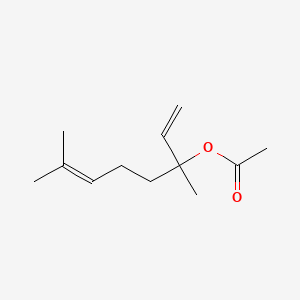
Identifiers
Functions
Hazards

What are the material safety considerations for lavender extract?
Lavender extract presents primarily irritant and sensitization hazards, with GHS classifications for skin irritation (H315), allergic skin reaction (H317), and serious eye irritation (H319). It is also classified as a combustible liquid (H227), may cause drowsiness or dizziness (H336), respiratory irritation (H335), and is toxic to aquatic life (H401). Acute toxicity data show low oral lethality (rat oral LD50 14,550 mg/kg) and moderate intraperitoneal toxicity (rat IP LD50 2,864 mg/kg). These findings indicate that the material is more hazardous via dermal and sensory routes than via ingestion, supporting caution in handling and formulation.
How should hazard classifications and toxicology findings for lavender extract be interpreted together?
The GHS classifications and toxicology data together indicate that lavender extract's primary safety concern is local irritation and sensitization rather than systemic toxicity. The high oral LD50 (14,550 mg/kg) suggests low acute oral hazard, while the IP LD50 (2,864 mg/kg) and clinical signs of depression indicate that systemic exposure at high doses can be toxic. The skin and eye irritation classifications align with the reported mild eye irritation and the absence of irritation in a human patch test with linalyl acetate. This interpretation supports prioritizing dermal and ocular protection over ingestion-related controls in occupational settings.
Which exposure routes, dose contexts, or effects are material for lavender extract?
Material exposure routes for lavender extract include dermal contact, eye contact, and inhalation. Dermal exposure is the most significant due to skin irritation (H315) and allergic sensitization (H317) classifications. Eye contact causes serious irritation (H319) and mild irritation was observed in short-term exposure. Inhalation may cause respiratory irritation (H335) and drowsiness or dizziness (H336). Acute toxicity data are limited to oral and intraperitoneal routes, with no inhalation LC50 for the extract itself; a related compound showed a mouse LC50 greater than 1,028 mg/m³/4h. These routes should be controlled in handling scenarios.
Which handling and risk-management measures are relevant for lavender extract?
Relevant risk-management measures include storing lavender extract in a tightly closed container in a dry, well-ventilated area at 2–8°C, as recommended. Given the combustible liquid classification (H227), keep away from ignition sources and use appropriate fire safety precautions. For handling, use personal protective equipment to prevent skin and eye contact, and ensure adequate ventilation to minimize inhalation of vapors. Given the aquatic toxicity (H401), prevent environmental release. These controls address the primary irritant, sensitization, and flammability hazards identified.
Which safety evidence gaps should be resolved before making decisions about lavender extract?
Before making final safety decisions, key evidence gaps include the absence of established exposure limits for lavender extract and lack of specific inhalation toxicity data for the extract itself. The available toxicology data are largely from linalyl acetate, a component, not the whole extract, which may not fully represent the extract's behavior. Additionally, no reproductive, developmental, or chronic toxicity data were provided. These gaps limit the ability to assess long-term occupational exposure risks and to set quantitative exposure controls.