“All sheets and pods have polyvinyl alcohol which just adds microplastics to our waterways”
Polyvinyl Alcohol Consumer Sentiment
CtrlK
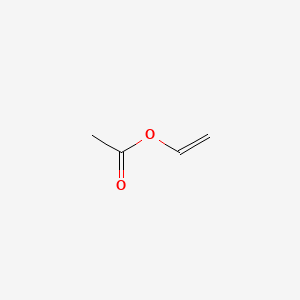
Identifiers
FormulaC4H6O2·CAS108-05-4·EC203-545-4·HS2915.32
Functions
BindingFILM Forming +1 more
Hazards


How do consumers feel about products containing Polyvinyl alcohol?
Positive
Mixed
Negative
Consumers are divided between those who view Polyvinyl Alcohol (PVA) as a safe, biodegradable solution for reducing plastic waste in laundry and dishwashing, and those who fear it contributes to microplastic pollution, while others use it primarily for its technical properties in crafts and industrial applications.
Which consumer needs, benefits, and objections are associated with polyvinyl alcohol?
Consumers associate polyvinyl alcohol with a significant environmental and health objection: laundry pods made from it dissolve into microplastics and a 'chemical soup' that pollutes water supplies and poses health risks. This negative sentiment is the only documented consumer insight, with no positive benefits or other objections recorded. The implication is that the primary consumer concern is not product performance but post-use environmental fate. This is a critical reputational risk for any product using polyvinyl alcohol, especially in rinse-off applications like laundry detergents, where the dissolution pathway directly exposes waterways.
What do consumers discuss about Polyvinyl alcohol?
Environmental Safety and Microplastics
There is a strong debate regarding whether PVA in laundry sheets and dishwasher pods dissolves harmlessly or adds microplastics to waterways.
facebook
lemon8-app
youtube
Chemical Identification and Confusion
Enthusiasts and DIYers emphasize the importance of distinguishing PVA (Polyvinyl Alcohol) from PVAc (Polyvinyl Acetate) due to their different solubility and uses.
facebook
Product Ingredient Transparency
PVA is frequently listed as a key ingredient in cosmetic peel-off masks and denture kits, often without extensive consumer commentary beyond identification.
tiktok
How are current products and patent claims responding to consumer concerns about polyvinyl alcohol?
Current products and patent claims are responding to consumer concerns by focusing on water solubility and biodegradability, though not directly addressing the microplastic objection. Commercial products span mascara, laundry detergent, and dissolvable films, indicating broad use. Patent claims emphasize water-soluble films, biodegradable nonwovens, and fast-dissolving masks, aiming to enhance dissolution and reduce residue. However, these claims do not explicitly tackle the microplastic formation issue raised by consumers. The implication is that the industry is prioritizing convenience and dissolution performance over addressing the specific environmental fate of polyvinyl alcohol, leaving a gap in consumer reassurance.
What concerns do consumers raise about Polyvinyl alcohol?
PVA adds microplastics to waterways instead of being eco-friendly
facebook
Confusion between PVA and Polyvinyl Acetate leads to incorrect usage assumptions
facebook
Where is the gap between consumer expectations and the current polyvinyl alcohol offering?
The gap lies between consumer expectations for environmental safety and the current offering's dissolution into microplastics. Consumers expect that water-soluble means environmentally benign, but they perceive polyvinyl alcohol as leaving microplastics and chemical residues. Current products and patents focus on dissolution speed and film performance, not on ensuring complete biodegradation or absence of microplastics. This mismatch creates a trust deficit. The implication is that without addressing the microplastic fate directly, even improved formulations may fail to meet consumer expectations, leading to potential rejection of polyvinyl alcohol-based products in favor of alternatives.
Which formulation approaches are being used to address those concerns around polyvinyl alcohol?
Formulation approaches are leveraging polyvinyl alcohol's film-forming and water-soluble properties to create products that dissolve quickly and leave minimal residue. Patent claims describe fast-dissolving nanofiber masks, water-soluble films with high natural material content, and biodegradable nonwovens with controlled degradation. These approaches aim to improve dissolution speed and reduce visible residue, indirectly addressing consumer concerns about environmental impact. However, they do not directly prevent the formation of microplastics, as the polymer still dissolves into the water system. The implication is that formulation innovation is focused on performance and perceived eco-friendliness, not on eliminating the fundamental microplastic issue.
What consumer-led opportunity or risk should researchers consider for polyvinyl alcohol?
Researchers should consider the opportunity to develop polyvinyl alcohol formulations that demonstrably biodegrade without leaving microplastics, as this directly addresses the core consumer objection. The risk is that continued focus on dissolution performance without addressing environmental fate will lead to consumer backlash and regulatory pressure. Patent claims show innovation in water-soluble films and hydrogels, but none explicitly claim microplastic-free degradation. The implication is that a formulation that can prove complete biodegradation or safe byproducts would differentiate in the market and rebuild consumer trust, turning a current risk into a competitive advantage.