Polyvinyl Alcohol Suppliers & Manufacturers
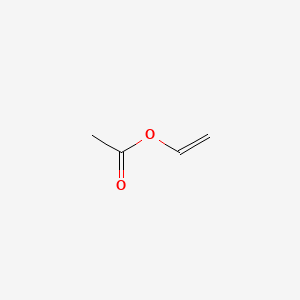
Identifiers
Functions
Hazards


What does available trade activity indicate for Polyvinyl alcohol?
Polyvinyl alcohol is classified under HS Code 2915.32. This falls under Chapter 29: Organic chemicals, specifically Heading 2915 (Acids; saturated acyclic monocarboxylic acids and their anhydrides, halides, peroxides and peroxyacids; their halogenated, sulphonated, nitrated or nitrosated derivatives), under subheading: Acids; saturated acyclic monocarboxylic acids; vinyl acetate.
* The data below is specific to the HS code, not the ingredient.
Suppliers
3,289
Across 67 countries
Shipments
83,854
from 2015 to 2026
Total weight
3.2B kg
226,255 TEU · standard 20-foot container units
Last shipment
8 months ago
Last updated at Feb 25, 2026
Growth
↑ 56%
Trade under 2915.32 has increased by 56% over the past 6 months
What does trade activity suggest about the polyvinyl alcohol supply chain?
Trade activity under HS 3905.30 indicates a substantial and active polyvinyl alcohol supply chain, with 165 suppliers, 5,245 shipments, and over 131,000 metric tons of material moving between 2015 and 2026. The recent growth score of 45.3 suggests moderate but ongoing trade momentum. This scale implies robust sourcing availability and multiple potential partners for formulators. However, because the data is associated with the HS code rather than confirmed ingredient-specific shipments, the volume may include related polymers or downstream products. For procurement planning, this signals a mature market with competitive options, but verification of product composition is essential before committing to a supplier.
What does the HS or HTS classification include, and where are its limits for polyvinyl alcohol?
HS code 3905.30 covers poly(vinyl alcohol), whether or not containing unhydrolyzed acetate groups, in primary forms. This classification falls under Chapter 39 (plastics) and heading 3905, which includes polymers of vinyl acetate and other vinyl polymers. The scope is broad: it captures polyvinyl alcohol in primary forms but may also include related polymers or intermediates that share the same code. Consequently, trade activity under this code is not guaranteed to be pure polyvinyl alcohol. For research and formulation decisions, this means the data provides directional supply-chain context, but any specific shipment must be verified for actual ingredient composition and grade before use.
Which suppliers are associated with Polyvinyl alcohol trade?
| Supplier | Shipments | Top customer | Growth | Last shipment | |
|---|---|---|---|---|---|
No suppliers found. | |||||
How concentrated or diversified does the supplier landscape appear for polyvinyl alcohol?
The supplier landscape appears moderately concentrated, with a few large players dominating shipment volumes. Kuraray entities (Europe and Japan) show the highest shipment counts, with 882 and 274 shipments respectively, and Shin Etsu Chemical follows with 526 shipments. These three suppliers represent a significant share of the 5,245 total shipments. However, the overall supplier count of 165 indicates a diversified base, including many smaller or regional suppliers. This suggests a market with both dominant incumbents and viable alternatives, offering formulators flexibility in sourcing. Yet, the data does not confirm that all these suppliers manufacture polyvinyl alcohol; some may be distributors or traders of related polymers.
Which supply risks or dependencies around polyvinyl alcohol require further diligence?
Key supply risks requiring further diligence include supplier product verification and potential concentration risk. While Kuraray and Shin Etsu are known producers, other suppliers like Paramelt, Incotec, and Lamberti are formulators or distributors, meaning their shipments may not be raw polyvinyl alcohol. This creates a risk of misidentifying a trading partner as a manufacturer. Additionally, the top three suppliers account for a large portion of shipment volume, suggesting potential dependency on a few key sources. For risk mitigation, buyers should confirm each supplier's manufacturing status, product grade, and compliance with relevant regulations before establishing contracts.
Which sourcing geographies and trade lanes appear most relevant to polyvinyl alcohol?
The most relevant sourcing geographies are Germany, Japan, and Taiwan, which together account for the majority of shipment volume and weight. Germany leads with 2,186 shipments and 47,339 metric tons, followed by Japan (1,421 shipments, 30,773 metric tons) and Taiwan (730 shipments, 29,513 metric tons). Other notable origins include Sweden, the Netherlands, Singapore, and China. This suggests a trans-Pacific and trans-Atlantic trade network, with major flows from Asia and Europe to consuming markets. For sourcing strategy, these regions represent established supply hubs, but the data does not specify destination countries, so actual trade lanes remain partially inferred.
Which countries drive Polyvinyl alcohol trade activity?
By shipment count
China
71,522 shipments
2,436 suppliers
2.6B kg total weight
Vietnam
8,388 shipments
145 suppliers
396.1M kg total weight
South Korea
762 shipments
123 suppliers
11.8M kg total weight
Taiwan
399 shipments
82 suppliers
7.2M kg total weight
Thailand
349 shipments
16 suppliers
17M kg total weight
Cambodia
312 shipments
26 suppliers
10.6M kg total weight
United Kingdom
238 shipments
52 suppliers
3.2M kg total weight
Belgium
230 shipments
40 suppliers
9.3M kg total weight
India
220 shipments
33 suppliers
7.5M kg total weight
Germany
196 shipments
27 suppliers
1.6M kg total weight