Polyvinyl Alcohol Environmental Fate & Ecotoxicity
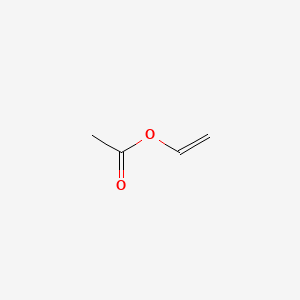
Identifiers
Functions
Hazards


What is known about the environmental fate of polyvinyl alcohol?
Polyvinyl alcohol is a water-soluble vinyl polymer that undergoes ultimate biodegradation under aerobic and anaerobic conditions when acclimated microorganisms are present. In a Zahn-Wellens test with non-adapted sludge, 90% degradation occurred in 28 days; with adapted sludge, the same level was reached in 6 days. Activated sludge reactors achieved 50–70% mineralization, and natural water or soil degradation reached 100% within 30 days. Anaerobic river sediments and treated sludge biodegraded over 60% of the polymer. This indicates that environmental persistence is highly dependent on microbial acclimation, with rapid degradation possible in biologically active systems.
What do biodegradation, bioaccumulation, and ecotoxicity findings indicate for polyvinyl alcohol?
Biodegradation evidence shows polyvinyl alcohol is not inherently persistent; it is susceptible to ultimate biodegradation in acclimated environments, with aerobic degradation reaching 90% in 6–28 days and anaerobic degradation exceeding 60%. No bioaccumulation or ecotoxicity data were supplied, so no conclusions can be drawn about its potential to accumulate in organisms or its toxicity to aquatic life. The lack of ecotoxicity data means the environmental hazard profile is incomplete, and the polymer's biodegradability alone does not establish safety. Further testing is required to assess ecological risks.
Which environmental exposure pathways or concentrations are reported for polyvinyl alcohol?
No measured environmental concentrations for polyvinyl alcohol were reported. The available evidence focuses on degradation behavior in laboratory and wastewater treatment settings, not on ambient levels in water, soil, or air. This absence of exposure data means the actual environmental loading and distribution of polyvinyl alcohol cannot be quantified. Without concentration data, it is impossible to estimate potential exposure to ecosystems or humans. Monitoring studies are needed to establish baseline environmental levels and assess the significance of releases from industrial or consumer sources.
How might use context or formulation affect the environmental profile of polyvinyl alcohol?
Use context significantly affects the environmental profile of polyvinyl alcohol because its biodegradation depends on the presence of acclimated microorganisms. In wastewater treatment plants with adapted sludge, degradation is rapid (90% in 6 days), but in non-adapted environments, it takes longer (28 days). The polymer's molecular weight may also influence anaerobic biodegradation, as demonstrated with 2,000 and 14,000 molecular weight samples. Formulation additives or co-pollutants could alter microbial activity or bioavailability, but no evidence was provided. Therefore, environmental performance is context-specific and cannot be generalized across all applications.
Which evidence gaps must be resolved before making sustainability claims about polyvinyl alcohol?
Before making sustainability claims, several evidence gaps must be resolved: no ecotoxicity data exist to assess harm to aquatic or terrestrial organisms; no bioaccumulation potential has been measured; and no environmental concentration data are available to quantify exposure. Additionally, the fate evidence is limited to laboratory and wastewater conditions, with no field validation of degradation in natural environments. The influence of molecular weight and formulation additives on environmental behavior is only partially understood. Without these data, any claim of environmental safety or sustainability would be unsupported.