Polyvinyl Alcohol Toxicity
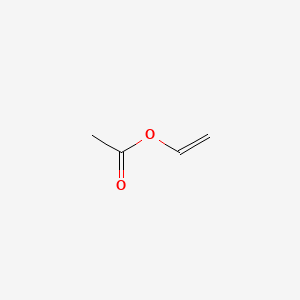
Identifiers
Functions
Hazards


What are the material safety considerations for polyvinyl alcohol?
Polyvinyl alcohol presents low acute oral toxicity, with LD50 values exceeding 20,000 mg/kg in rats and dogs and 147,000 mg/kg in mice. Human patch testing with a 13% formulation over 21 days produced minimal irritation (score 10 out of 756), classified as a mild material. Short-term exposure may cause mechanical irritation, and inhalation can lead to cough and redness. No GHS hazard classifications or exposure limits were available in the supplied evidence, so formal hazard categorization remains undefined.
How should hazard classifications and toxicology findings for polyvinyl alcohol be interpreted together?
The toxicology data collectively indicate a favorable safety profile for polyvinyl alcohol in typical use. High oral LD50 values across species and mild dermal irritation in human studies support low systemic and local toxicity. However, the absence of GHS classifications means these findings cannot be mapped to standardized hazard categories. The evidence is primarily acute and repeat-exposure dermal; chronic systemic effects are not covered. Formulators should treat polyvinyl alcohol as low-risk but not assume regulatory hazard labeling is unnecessary without further classification data.
Which exposure routes, dose contexts, or effects are material for polyvinyl alcohol?
Material exposure routes include oral, dermal, ocular, and inhalation. Acute oral exposure is very low risk based on high LD50 values. Dermal exposure in a 13% formulation caused only mild irritation in a 21-day human patch test. Ocular exposure in rabbits to a 1.4% solution was non-injurious. Inhalation may cause cough and redness, indicating mechanical irritation. Intravenous injection in rabbits produced hematological changes, but this route is not relevant to consumer or occupational exposure. The primary concern is mechanical irritation from dust or concentrated solutions.
Which handling and risk-management measures are relevant for polyvinyl alcohol?
Handling measures should focus on minimizing mechanical irritation and ensuring proper storage. Store polyvinyl alcohol in a tightly closed container in a dry, well-ventilated area at 20–25°C, away from heat and freezing. For short-term exposure, avoid generating dust to prevent cough and redness. In product use, follow drug-warning guidance: do not use if the seal is broken, solution is discolored or cloudy, and avoid touching the container tip to surfaces to prevent contamination. These controls are sufficient given the low acute toxicity and mild irritation profile.
Which safety evidence gaps should be resolved before making decisions about polyvinyl alcohol?
Before finalizing safety decisions, obtain GHS hazard classifications and occupational exposure limits, as these are absent from the current evidence. Chronic toxicity and reproductive/developmental data are also missing, limiting long-term risk assessment. The human irritation study used a 13% formulation, so higher concentrations or different molecular weights may behave differently. Additionally, no data on environmental fate or ecotoxicity were provided, which may be relevant for disposal and sustainability claims. Resolving these gaps will enable a complete safety and regulatory assessment.