Products & Brands Using Polyvinyl Alcohol
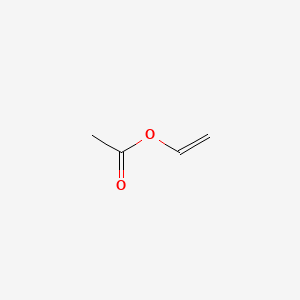
Identifiers
Functions
Hazards


How broadly is Polyvinyl alcohol used across tracked brands and products?
Brands
79
Across 35 product types
Products
737
Includes function: Adhesion/cohesion promoter
Product Types
35
Distinct formulation categories
Functions
16
Known functional-use labels
What does product breadth indicate about the commercial maturity of polyvinyl alcohol?
The product breadth indicates that polyvinyl alcohol is a mature ingredient with established use across multiple industries. With 737 products from 79 brands spanning 1985 to 2020, it has a long commercial history. The diversity of categories—from mascara to laundry detergent to eye drops—shows that it is not a niche ingredient but a well-integrated component in many consumer goods. Patent activity further confirms maturity, with over 1,000 patents covering packaging, films, and medical applications. This maturity suggests that differentiation opportunities lie in specialized high-performance or niche applications rather than in basic film-forming uses.
How is polyvinyl alcohol positioned across the market?
Polyvinyl alcohol is positioned as a functional film former and binder across mass-market and premium brands. In cosmetics, it appears in mascaras from Cover Girl, Max Factor, and Tarte, as well as in peel-off masks from Freeman and Queen Helene. In household products, it is used in laundry and dishwasher detergents from Seventh Generation, Grab Green, and Reckitt Benckiser. This broad brand adoption indicates that polyvinyl alcohol is a standard ingredient in both value and premium products, often marketed for its film-forming or water-soluble properties. Its presence in eye drops and medical patents also suggests a trusted safety profile for certain applications.
Top companies using Polyvinyl alcohol in their products
Ranked by number of tracked products that list polyvinyl alcohol, out of 737 total.
Where is Polyvinyl alcohol covered by tracked regulatory lists?
Jurisdictions
Markets where this ingredient appears on tracked ingredient regulation lists.
EU
2828 tracked lists
US Federal
66 tracked lists
Japan
22 tracked lists
Other
11 tracked list
Regulatory Bodies
Authorities cited most often across the tracked ingredient lists.
European Food Safety Authority
Danish Environmental Protection Agency
German Federal Institute for Risk Assessment
EPA
Danish EPA
Which product categories, formats, and functions use polyvinyl alcohol?
Polyvinyl alcohol is used across a wide range of product categories, with mascara being the most common (191 products), followed by laundry detergents (41), automatic dishwashing detergents (32), face masks (22), and arts and crafts adhesives (17). Other categories include face creams, nail polishes, foundations, eye liners, hair color, body washes, eye creams, and eye drops. Its functions span film forming, binding, adhesion, thickening, and viscosity modification. This broad distribution indicates that polyvinyl alcohol serves as a versatile functional ingredient in both cosmetic and household applications, with a strong concentration in eye makeup.
Which product categories contain Polyvinyl alcohol?
Tracked product categories ranked by distinct products containing this ingredient.
Which formulation and co-ingredient patterns recur around polyvinyl alcohol?
Recurring co-ingredients include glycerol (285 products), propylene glycol (262), phenoxyethanol (242), triethanolamine (213), methylparaben (202), titanium dioxide (201), and ethanol (200). These are typical of cosmetic and cleaning formulations, suggesting polyvinyl alcohol is often combined with humectants, preservatives, and pigments. In patents, common co-ingredients include starch, boric acid, and cellulose derivatives, which are used to modify film properties or create crosslinked networks. This pattern indicates that formulators use polyvinyl alcohol as a film former or binder within standard cosmetic and detergent bases, and that its performance is often enhanced through interactions with polyols and crosslinkers.
Which product spaces around polyvinyl alcohol appear crowded or differentiated?
Crowded spaces include mascara, laundry detergent, and water-soluble packaging films, where many products and patents exist. Differentiated spaces include advanced medical applications such as hydrogels for wound care, artificial corneas, and drug delivery systems, as well as specialized industrial uses like battery binders and optical films. These areas show less commercial saturation and higher technical complexity, offering opportunities for innovation. For example, patents on biodegradable nonwoven sheets and high-barrier packaging indicate a trend toward sustainable and functional materials, which could be a key differentiator.