“The Numbuzin No. 3 Serum is primarily composed of a high concentration of fermented ingredients, specifically: - Bifida Ferment Lysate (42%) - This ingredient is known to enhance skin barrier function, improve hydration, and has anti-aging properties.”
Postbiotic Ferment Lysates Consumer Sentiment
CtrlK
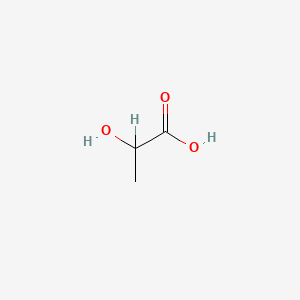
Identifiers
FormulaC3H6O3·CAS50-21-5·EC200-018-0·HS2918.11
Functions
Abrasive
Hazards


How do consumers feel about products containing Postbiotic ferment lysates?
Positive
Mixed
Negative
Consumers view postbiotic ferment lysates as highly effective, safe, and beneficial ingredients that strengthen skin barriers, improve hydration, and support gut health without the risks associated with live probiotics.
Which consumer needs, benefits, and objections are associated with Postbiotic Ferment Lysates?
Consumers primarily seek postbiotic ferment lysates for skin barrier repair, hydration, and reduced sensitivity, as well as for gut health and immune support in both human and animal products. Benefits cited include strengthening the skin's natural barrier, reducing transepidermal water loss, promoting hydration, and supporting digestive health. The main objection is a moderate concern about gluten content in hydrolyzed or fermented ingredients, particularly for individuals with celiac disease or gluten sensitivity, with one consumer advocate advising against consumption of hydrolyzed wheat protein. This objection is not widely echoed but represents a safety-relevant consideration for food applications.
What do consumers discuss about Postbiotic ferment lysates?
Skin Barrier Repair and Hydration
Consumers frequently cite Bifida Ferment Lysate and similar postbiotics as key ingredients for repairing damaged skin barriers, reducing sensitivity, and providing deep hydration.
lemon8-app
tiktok
pinterest
instagram
Gut Health and Digestive Support
Postbiotics are praised in gut health discussions for supporting the intestinal lining, reducing bloating, and offering a stable alternative to live probiotics.
lemon8-app
facebook
Safety and Stability vs Live Probiotics
Users appreciate postbiotics because they do not require refrigeration or live cultures, making them more stable and less likely to cause adverse reactions compared to traditional probiotics.
instagram
Anti-Aging and Radiance
Ferment lysates are associated with improved skin texture, reduced fine lines, and enhanced radiance due to their ability to promote cellular health and collagen production.
lemon8-app
instagram
Pet Health Applications
Owners report positive outcomes using postbiotic sprays and supplements for dogs suffering from allergies, scratching, and digestive issues.
facebook
How are current products and patent claims responding to consumer concerns about Postbiotic Ferment Lysates?
Current products respond to consumer needs by marketing postbiotic ferment lysates as stable, safe alternatives to live probiotics, emphasizing their inactive nature and ease of formulation. Brands highlight specific benefits like skin barrier improvement with in vivo TEWL reduction data, and gut health support in supplements for pets and horses. No patent claims are available in the evidence, so the response is entirely product-driven. The gluten concern is not directly addressed by any product claim, leaving a potential gap in consumer reassurance for sensitive populations.
What concerns do consumers raise about Postbiotic ferment lysates?
Uncertainty about efficacy for specific conditions like severe allergies
facebook
Where is the gap between consumer expectations and the current Postbiotic Ferment Lysates offering?
The primary gap is the lack of clear communication and verification regarding gluten content in hydrolyzed or fermented ingredients, which conflicts with consumer expectations for safe products, especially for those with gluten-related disorders. While consumers appreciate the stability and efficacy of postbiotic ferment lysates, the gluten objection remains unaddressed by product claims. Additionally, while benefits like skin barrier repair and gut health are well-communicated, there is no evidence of products addressing the specific concern about hydrolyzed wheat protein, leaving a trust gap for sensitive consumers.
Which formulation approaches are being used to address those concerns around Postbiotic Ferment Lysates?
Formulation approaches focus on leveraging the inherent stability of postbiotic ferment lysates, which are inactivated bacterial metabolites, to create products that avoid the viability concerns of live probiotics. In skincare, formulations incorporate high concentrations of bifida ferment lysate (e.g., 42%) to strengthen the skin barrier and improve texture, while serums and creams combine prebiotics and postbiotics to enhance barrier function. For ingestibles, postbiotics are added to feed additives and supplements to support digestive and immune health. These approaches respond to consumer desires for effective, safe, and stable ingredients, though they do not address gluten-related concerns.
What consumer-led opportunity or risk should researchers consider for Postbiotic Ferment Lysates?
A consumer-led opportunity lies in developing and marketing postbiotic ferment lysates with explicit gluten-free verification, addressing the moderate concern raised by consumer advocates. This could differentiate products in both food and supplement categories, appealing to health-conscious consumers with sensitivities. The risk is that without such verification, products containing hydrolyzed or fermented gluten-derived ingredients may face consumer distrust, potentially limiting market adoption. Researchers should prioritize sourcing and testing to ensure gluten-free status and transparent labeling to build consumer confidence.